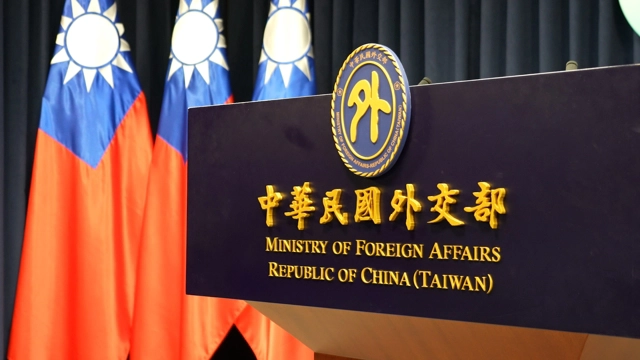
Four people have been summoned and released on bail as Taipei prosecutors launch an investigation into how Chinese cybersecurity tools got into Taiwan's foreign ministry.
A preliminary investigation found that three Taiwanese companies had repackaged Chinese software as Taiwanese. They then won a bid to have that software used in the information management system for the Foreign Ministry’s overseas offices since 2023.
Taiwan’s government offices cannot use software designed in China due to national security risks. The issue was discovered during a routine cybersecurity audit in December 2025.
Taiwan’s foreign ministry says it proactively notified authorities of the suspected violation and are cooperating with the investigation.
JEAN Y.J. CHEN, DEPUTY SPOKESPERSON FOREIGN MINISTRY:
"The foreign ministry procured the software through the government’s joint procurement framework. It was purchased from Kunyou Technology. It was installed on internet-connected computers at Taiwan’s overseas offices to help manage and track IT assets. The system did not involve any sensitive information."
Reports suggest Kunyou Techology secured over 600,000 US dollars in contracts from the ministry over a three-year period.
The four individuals are being investigated for fraud, forgery and violating the Government Procurement Act.
As the investigation continues, the question will be whether any other systems were compromised and if any information could have made its way to China.
 01:26
01:26 00:37
00:37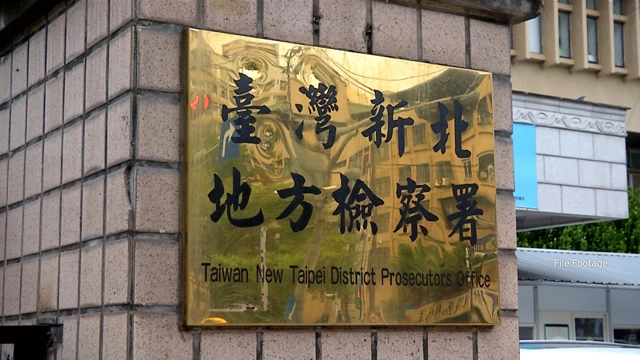 00:31
00:31 01:37
01:37 00:32
00:32 01:37
01:37 00:37
00:37 01:54
01:54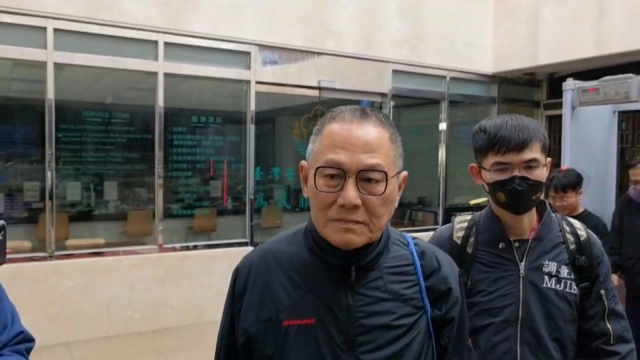 00:33
00:33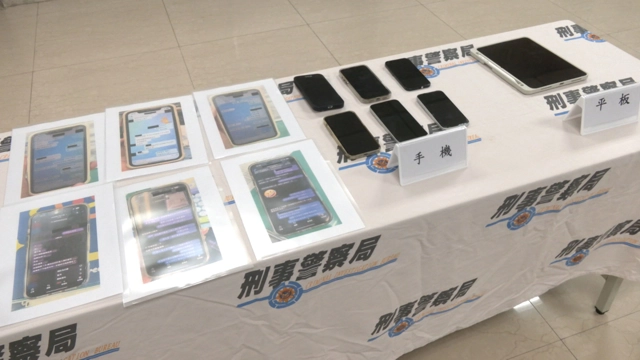 01:15
01:15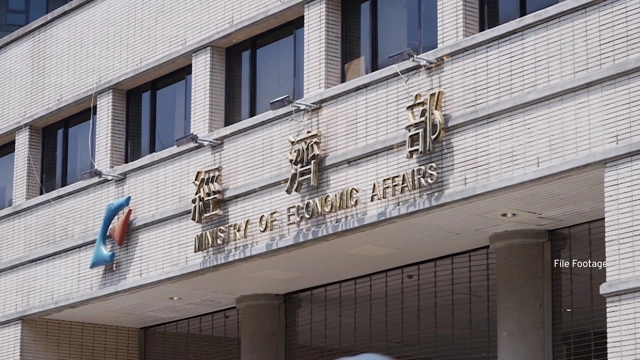 00:36
00:36 00:31
00:31 00:30
00:30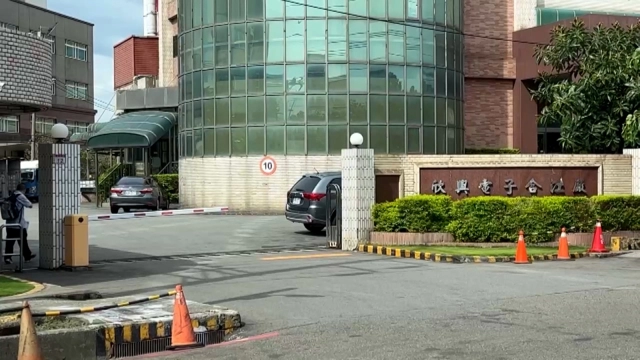 00:31
00:31 00:37
00:37 00:43
00:43