G7 Reaffirms Stance on Taiwan Strait
REPORTER:
World leaders at this year’s G7 Summit in France continue to oppose any unilateral attempts to change the status quo in the Taiwan Strait – in particular by force.
The Group of Seven listed the Indo-Pacific in a statement on geopolitical issues. It reiterated the summit’s stance on the East and South China Seas, as well as the Taiwan Strait. The statement did not focus on China. The main topic of the three-day meeting was the US-Iran ceasefire deal, which US President Donald Trump was keen to showcase.
---
G7 Softens Stance on China in Geopolitical Statement
REPORTER:
World leaders at the G7 Summit in France have reaffirmed their opposition to any unilateral attempts to change the status quo in the Taiwan Strait.
In its communiqué on geopolitical hotspots, the G7 reiterated on the East and South China Seas and the Taiwan Strait — but stopped short of naming China as a destabilizer in the region, as it had done at last year's summit in Canada. The dominant focus of the three-day meeting, however, was the US-Iran ceasefire deal, which President Trump was keen to showcase.
We highlight the importance of a free and open Indo-Pacific based on the rule of law. We reaffirm our opposition to any unilateral attempts to change the status quo, in particular by force or coercion, in the East and South China Seas and across the Taiwan Strait, which should only be resolved peacefully through dialogue.
 02:15
02:15 03:07
03:07 03:23
03:23 03:25
03:25 03:23
03:23 02:42
02:42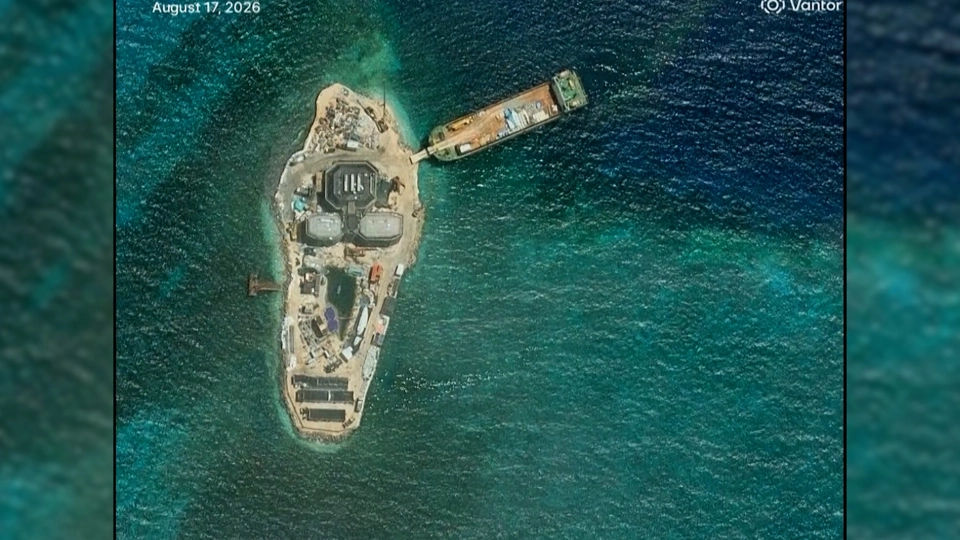 02:54
02:54 02:56
02:56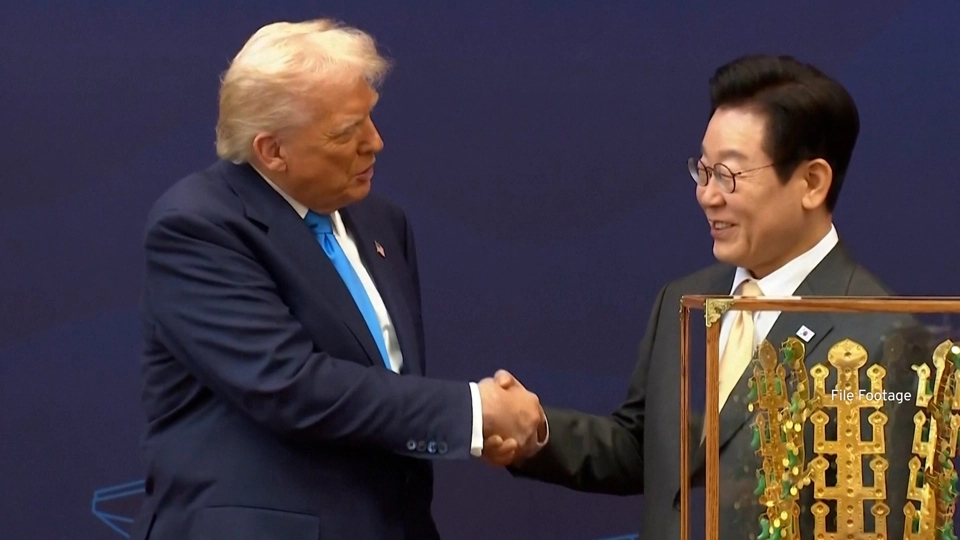 03:24
03:24 02:33
02:33 00:27
00:27 00:30
00:30 02:36
02:36 00:33
00:33 02:50
02:50 03:09
03:09