**Automotive Paint Shortages Affect Tokyo Repair Shops Amid Middle East Turmoil**
REPORTER:
Nishida Hironori is mixing automotive paint at this repair shop in the western outskirts of Tokyo. He keeps busy, but his company, Fuchu Car, has hit hard times. War in the distant Middle East has disrupted oil and gas—and with them petroleum-based products like automotive paint.
REPORTER:
Japan’s favorite color for cars, Pearl White, is extremely hard to get hold of these days, and with around a third of his customers driving cars in that shade, some looking for a paint job are now out of luck. Profits are shrinking, and no one knows what other colors will run out next.
Nishida Hironori (PAINT SHOP TEAM LEADER, FUCHU CAR):
If we have to turn customers away, sales drop and we don’t even know when it’ll be back in stock, it’s possible the company might end up in the red.
REPORTER:
A recently announced peace deal between combatants Iran and the US is supposed to reopen the key chokepoint where supplies are stuck — the Strait of Hormuz.
REPORTER:
But for smaller shops like this one in Tokyo, already squeezed by months of shortages, there's a chance it could all just be too late. Analysts say that even when the strait reopens, it will take time for stocks of products—like automotive paint—to get back to normal.
Hasanuma Tetsuya (MANAGER, FUCHU CAR):
I’ve been in the automotive industry for over 25 years and there’s never been a time where we couldn’t get paints and thinners like this before, so I don’t really know how we’ll find a way through this going forward. I think it’ll be a case of fumbling our way through.
REPORTER:
And, as even somewhat optimistic analysts also note, there’s the question – will peace in the Middle East hold? US President Trump is upbeat, but details of the US-Iran deal are still sparse—and this first stage could give way to thornier talks.
Patrick De Haan (VP OF PETROLEUM ANALYSIS/MEDIA RELATIONS, GAS BUDDY):
We've been in this situation before where there's a deal that may be imminent, but then it falls apart. So, you know, while we're a little better off with the optimism of a deal happening, we have not yet seen the effects of the deal itself. So it's still too early to say the coast is clear.
REPORTER:
The fighting may be stopped for now, but at small operators like this Japanese auto shop, it's anything but business as usual.
 02:15
02:15 03:07
03:07 03:23
03:23 03:25
03:25 03:23
03:23 02:42
02:42 02:54
02:54 02:56
02:56 03:24
03:24 02:33
02:33 00:27
00:27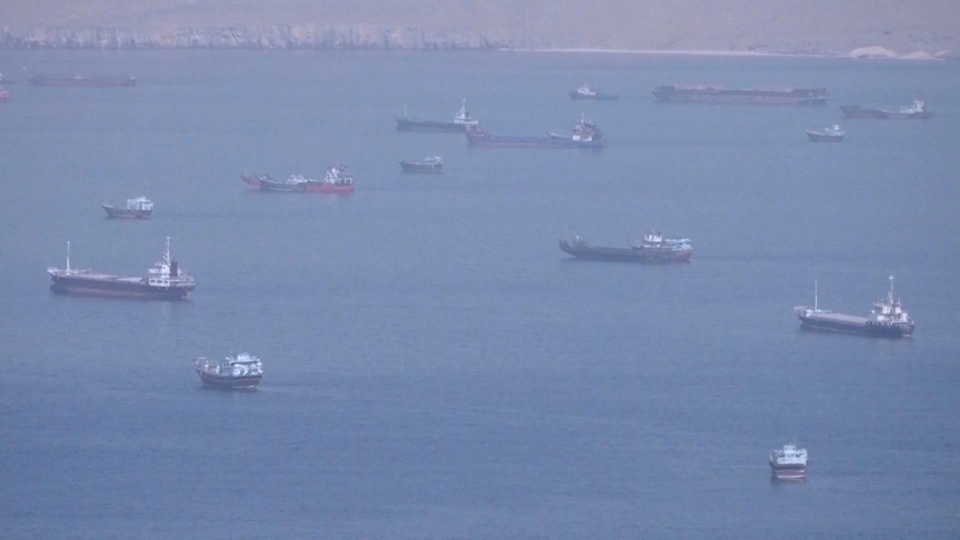 00:30
00:30 02:36
02:36 00:33
00:33 02:50
02:50 03:09
03:09