Taiwan Expands Drone Use to Strengthen Maritime Security
REPORTER:
Taiwan drove away more Chinese coast guard vessels from restricted waters on Tuesday. The country is also stepping up efforts to expand drone use to better guard maritime security.
REPORTER:
Once again, Taiwan’s coast guard moves to expel Chinese coast guard vessels.
REPORTER:
On Tuesday afternoon, four China Coast Guard ships entered restricted waters around Taiwan’s outlying Kinmen Islands, prompting a response from Taiwan’s authorities.
REPORTER:
The incident comes just days after China carried out what it described as a law enforcement operation in waters off Taiwan’s east coast.
REPORTER:
Meanwhile, in northern Taiwan, the coast guard hosted a drone competition with over 50 certified drone pilots demonstrating precision control skills and their ability to respond to unexpected situations as the coast guard prepares to expand the use of technology in law enforcement.
Kuan Bi-ling (OCEAN AFFAIRS COUNCIL MINISTER):
This competition has shown us the concrete results of building a tech-enabled coast guard force. You are not just operating a machine you are also integrating information technology intelligence analysis and maritime governance into a seamless combination.
REPORTER:
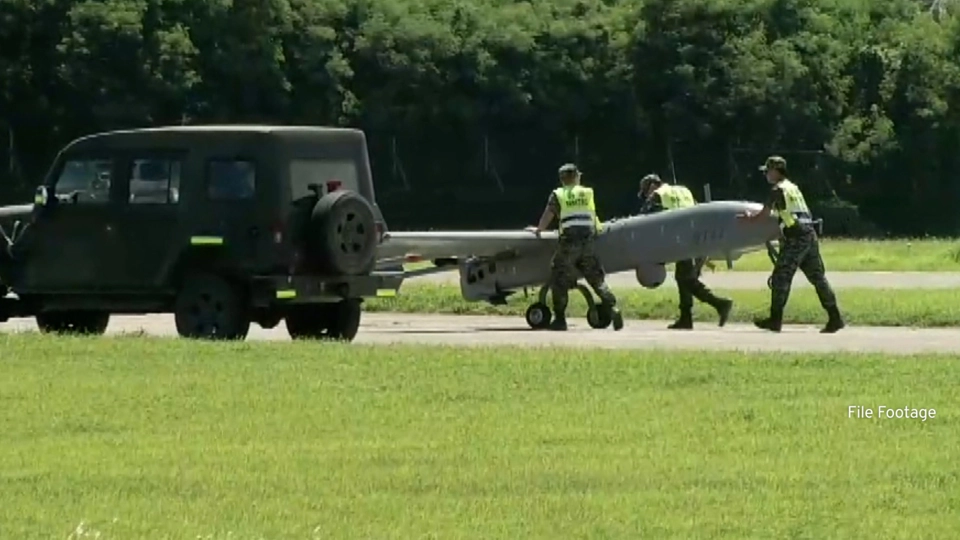
From 2025 to 2027, Taiwan’s Coast Guard Administration has allocated over 66 million US dollars to procure a total of 451 drones across four categories: short-range, medium-range, shipborne and special operations drones, to be built up in phases over multiple years.
REPORTER:
Experts say the coast guard will primarily use drones for surveillance, helping to ease manpower pressure.
Shen Ming-shih (RESEARCHER, INDSR):
The key point is that these drones can quickly transmit relevant information back to various command centers or to the units operating them and these operating units can then use imagery or AI and big data analytics to analyze and understand their flight trajectories.
REPORTER:
The coast guard’s existing radar systems have limitations when it comes to verifying surveillance data, particularly in identifying small maritime targets.
REPORTER:
Experts say drones can help fill that gap and better support efforts to counter China’s gray-zone activities.
REPORTER:
But as demand for drones grows, so does the need for trained operators. Experts say this is not limited to government agencies alone; civilian participation is also becoming increasingly important in helping to train up drone pilots.
 04:02
04:02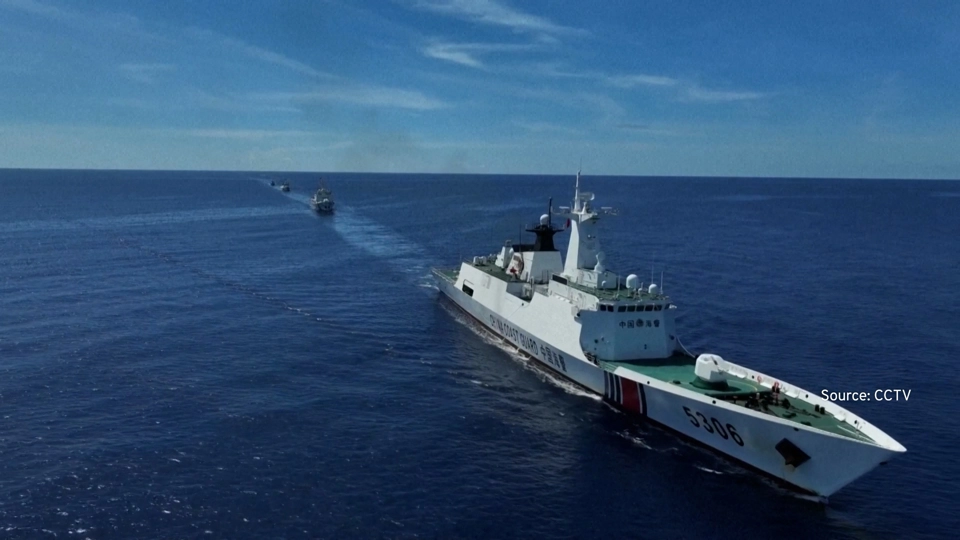 00:31
00:31 02:54
02:54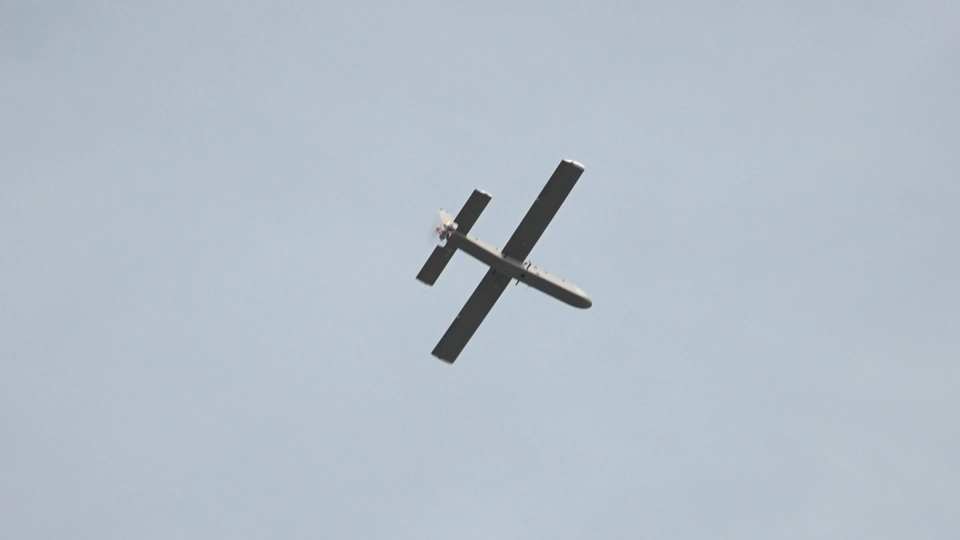 02:33
02:33 04:03
04:03 03:00
03:00 00:26
00:26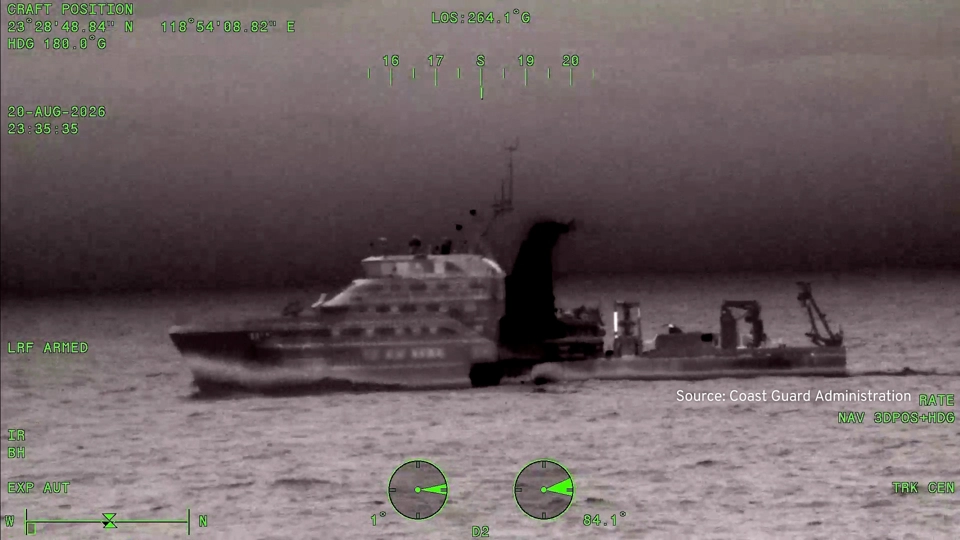 00:35
00:35 03:03
03:03 02:56
02:56 00:27
00:27 00:26
00:26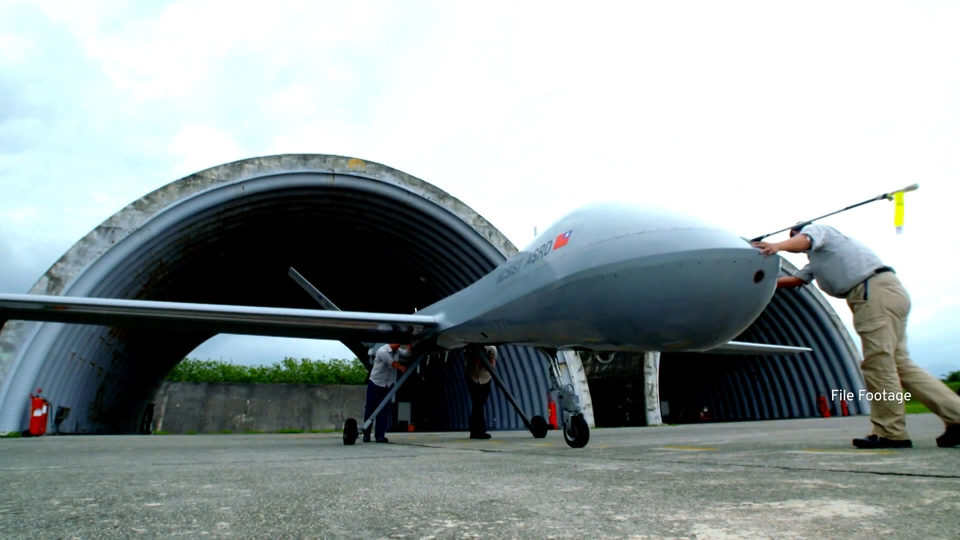 00:33
00:33 03:21
03:21 03:19
03:19 03:23
03:23