The Ways China Pressures Taiwan
---
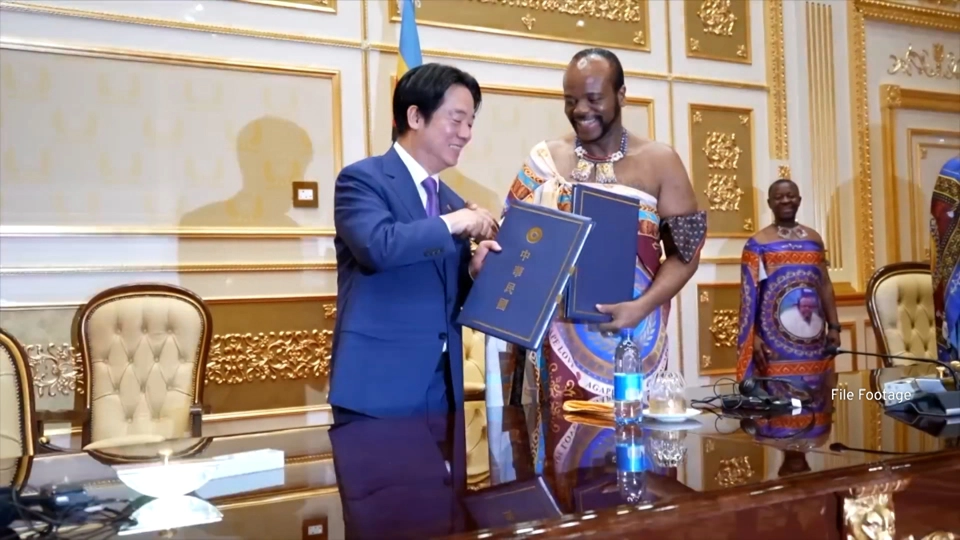
China has sent significantly fewer military aircraft around Taiwan this year, but its diplomatic pressure campaign appears unchanged.
REPORTER:
The key reason is maybe China decided to avoid turning the Taiwan Strait into a flashpoint. And that could disturb improving the US and China relations, particularly given Trump's preference to negotiations and accommodation over direct confrontations. I think from Beijing's perspective, Taiwan remains one of the most difficult and deeply rooted structure dispute between US and China. Rather than escalating the tension at this stage, China appeared to temporarily moderating its military signaling as a gesture of goodwill ahead of the potential the US and China summit.
And of course, I think that the main other reason I think they already noticed that they can also use the gray zone tool or the gray zone confrontation can achieve the desired coercive effect and maybe even more effective.
REPORTER:
China has also stepped up pressure on journalists and media outlets that have interviewed Taiwan President Lai Ching-te.
So this reflects two, you know, specific approach. The first is to sever the direct connection between the president Lai or the DPP government to the international public opinion. And the second is to deter foreign media from interviewing Taiwan's leaders by portraying such an interview as a support for Taiwan's independence or a provocation against China rather than a normal journalist activities.
REPORTER:
China has not carried out any major military exercises around Taiwan this year, but gray zone activities have continued — including recent claims of conducting law enforcement operations in waters off Taiwan’s east coast.
Yes, I think this represents a strategic shift.
In doing so, Beijing can gradually reshape the narrative of the international waters surrounding Taiwan into water that’s subject to Chinese administrations and the management. I think this is a comprehensive application of gray zone conflict, sovereignty, assertion operations, and efforts to counter the internationalization of the Taiwan issue.
 03:34
03:34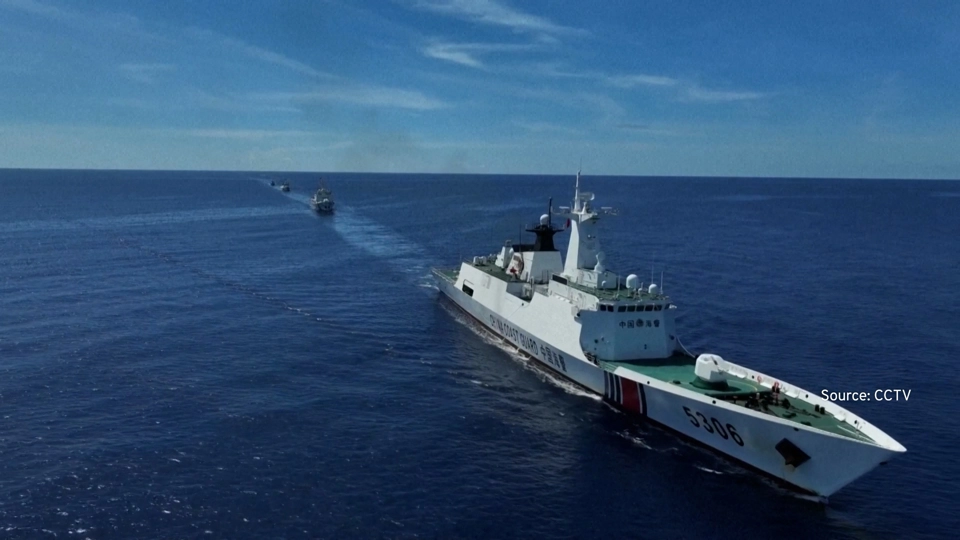 00:31
00:31 00:35
00:35 00:42
00:42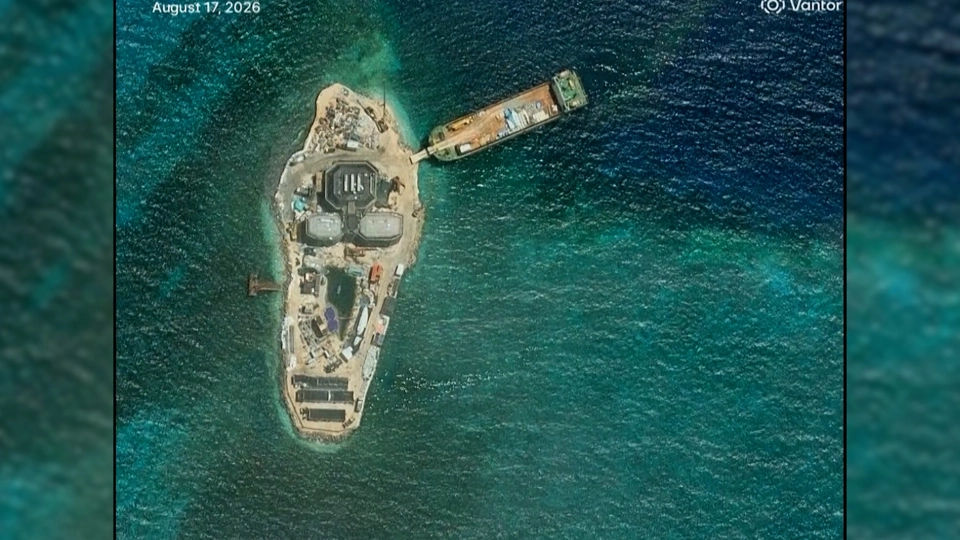 02:54
02:54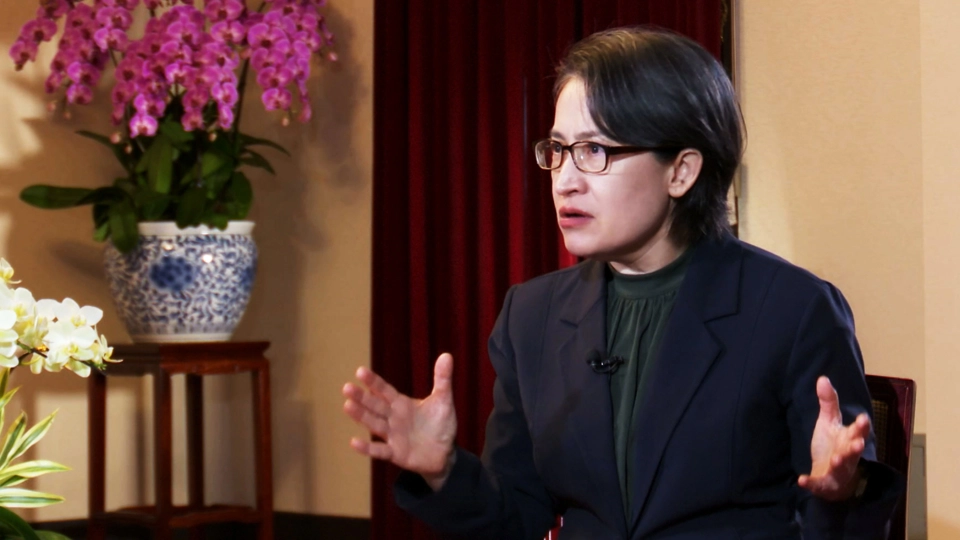 00:52
00:52 02:33
02:33 04:03
04:03 03:00
03:00 01:12
01:12 02:27
02:27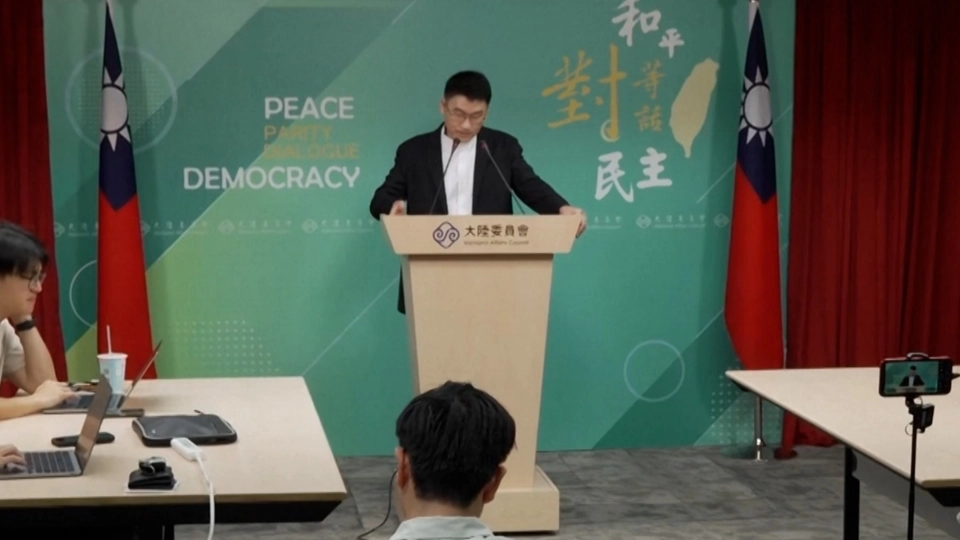 02:16
02:16 00:34
00:34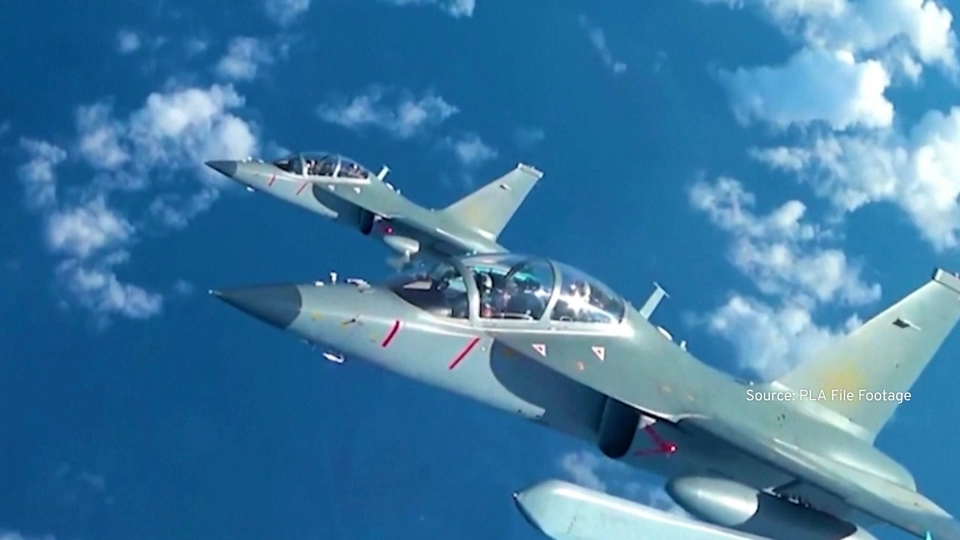 00:26
00:26 00:34
00:34 03:21
03:21