Tehran: Possibility of US-Iran Peace Deal
REPORTER:
Tehran goes about its business Saturday amid hints that a months-long war with the US could reach some kind of end.
REPORTER:
US President Donald Trump, who has long said a deal is close, now says Sunday is the big day. He says the Strait of Hormuz, critical to global oil and gas supplies, will be totally reopened and Iran will not get a nuclear weapon.
REPORTER:
Mediator Pakistan doesn’t go quite so far, but agrees a virtual signing is likely in the coming hours.
REPORTER:
Iran’s foreign minister, too, says some form of deal is close—though it will only be the first step in a longer negotiation.
Abbas Araghchi (IRANIAN FOREIGN MINISTER):
What I should mention is that these negotiations which will lead to the end of the war proceed in two stages. The first stage is a memorandum of understanding signed between Iran and the US. After that, negotiations for the second stage begin and in the second stage we will have a final agreement.
REPORTER:
But even with a chance of peace, there are three complications. One—this conflict isn’t totally frozen. US central command said Friday it downed Iranian attack drones in the Strait of Hormuz.
REPORTER:
Two--there are big differences bound to come up in the second round of talks. Obstacles to a really lasting peace. Iran’s enrichment of uranium and the unfreezing of Iranian assets are two topics likely to cause friction.
REPORTER:
And three--there’s the question of whether US-Iran talks will really end the wider Middle East war, because the US and Iran are not the only combatants in this war.
REPORTER:
In southern Lebanon, the other big front, explosions filled the air Saturday. Israel hit the area again as it continues to fight with Iran’s Lebanon-based proxy, Hezbollah. Iran’s position is that a peace deal should close this second front, too.
REPORTER:
But nearly 4,000 Lebanese have died in the fighting and a fifth of Lebanon’s population has been displaced. Meanwhile, Israel has lost around thirty soldiers and four civilians. Can bitter enemies Israel and Hezbollah be brought to the table, too?
REPORTER:
As details get hammered out, people in Tehran speculate about what’s happening and what’s next.
Yaser Akbarina (TEHRAN RESIDENT):
The [ongoing] World Cup may have had an effect [on talks] but in my view, it was more the resistance of the Iranian people and that [the enemy] failed to achieve [their objectives] in the war which caused them to choose this direction. But I say that our vigilance is very important so that we can also carry our work through to success at this stage.
Mr. Bahrami (TEHRAN RESIDENT):
I never trust Trump's words or those of his proxy [Israeli PM] Netanyahu, who has set the Middle East on fire. I never accept what they say. But in any case
we are followers of the words of [Iran’s] supreme leader.
REPORTER:
Continued vigilance. Mistrust. Views like these mix with optimism from Trump and others as the world waits to see exactly what kind of deal the two sides may reach and how soon they may reach it.
 02:15
02:15 03:07
03:07 03:23
03:23 03:25
03:25 03:23
03:23 02:42
02:42 02:54
02:54 02:56
02:56 03:24
03:24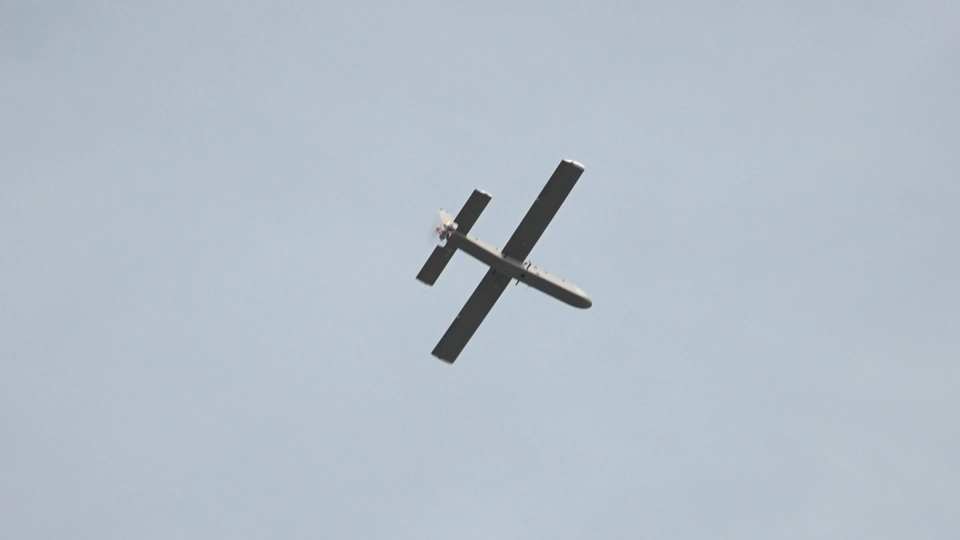 02:33
02:33 00:27
00:27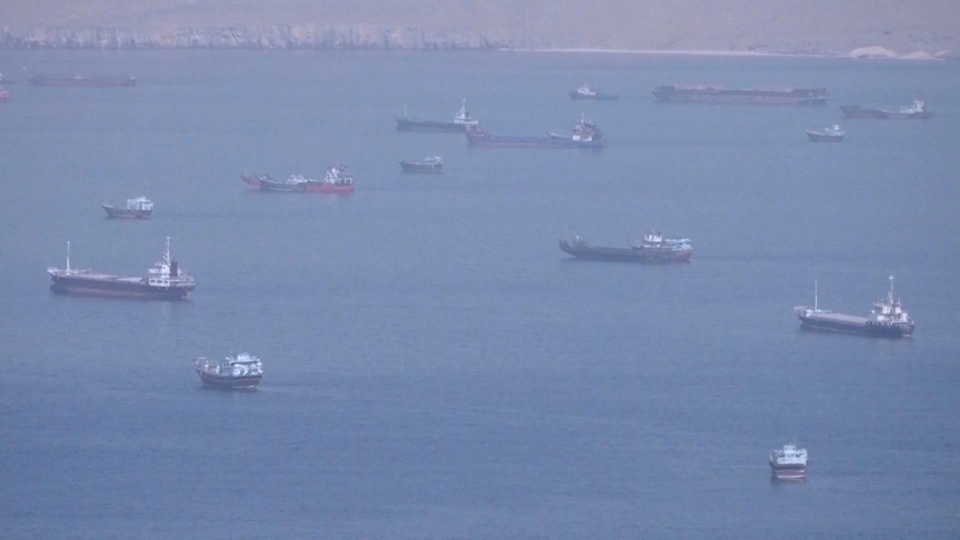 00:30
00:30 02:36
02:36 00:33
00:33 02:50
02:50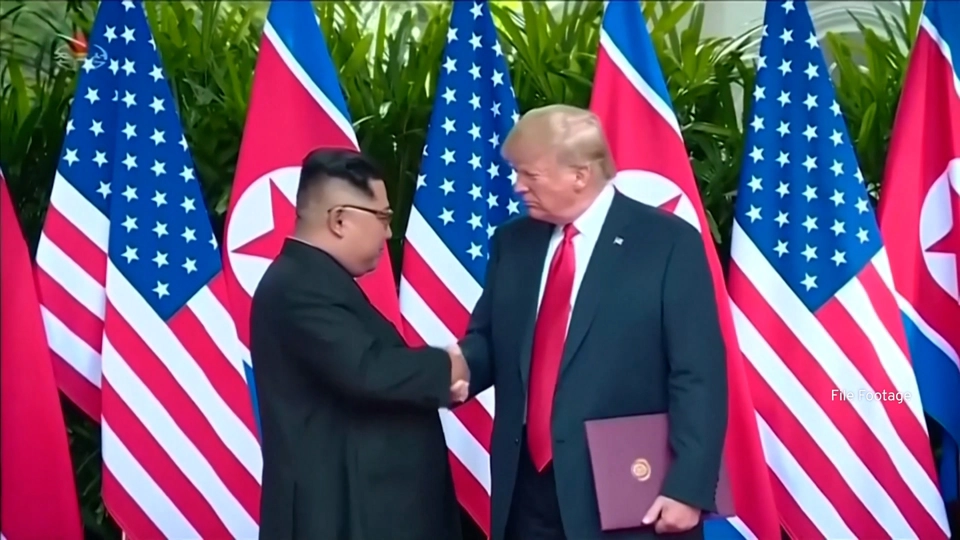 03:09
03:09