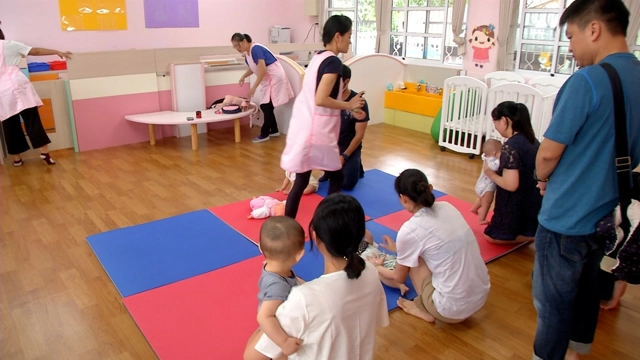
Taking care of young children can become a full-time job for parents who have no one else to count on.
Taiwan has one of the lowest birth rates in the world... And with new subsidy programs, the government hopes to encourage people to have more children.
But there’s not enough help for everyone... according to official data, over 36 percent of parents with kids under two have sought professional services... but in some cities and counties, childcare slots cover less than five percent of children.
One mother was on the verge of quitting her job after months of waiting.
MS. CHU, MOTHER OF YOUNG CHILD:
"When I first registered they told me I was 81st on the waiting list. Then in May, they told me to reapply."
Public daycare centers, which are government-run, are popular with parents as they are more affordable.
The NGO Childcare Policy Alliance says... parents in Taipei only need to pay about 46 US dollars per child per month after central and local government subsidies... compared to over 300 dollars without them.
But without a spot at one of these centers, many parents face a difficult choice... stop working or don’t have kids at all.
"I can’t work if there’s no public daycare service. Absolutely. We parents need to go to work."
"The government hopes to encourage people to have children but if there aren’t enough public daycare facilities from an economic standpoint, it could in turn affect [people’s willingness to] have children."
Alternatives are available... such as privately run, publicly funded centers and government-licensed nannies, though they tend to be more expensive.
The NGO encourages parents to use other services if they can... but says the bottleneck isn’t just about the money... but also staff shortages.
LI TING-HSIN, CHILDCARE POLICY ALLIANCE:
"Some daycare centers may, on paper have capacity for 50 kids when in reality they can only take 30. The reason for this is simple. They can’t find enough teachers. Taking care of kids under two years old has always been seen as a job that comes with high pressure, low pay and long working hours. Under such poor conditions it’s hard to retain passionate and ambitious staff."
Another reason is that there are simply not enough public facilities being built.
Li says buildings must follow rigorous safety standards... and be located on public land in populous areas.
While the health ministry promises funding... it admits finding this kind of space isn’t easy.
CHOU DAO-JUN, SOCIAL AND FAMILY AFFAIRS ADMIN., HEALTH MINISTRY:
"Looking for public land in crowded city centers may not be easy. Local rollout efforts need to be tailored to local needs. The central government will do its best to support local governments with startup costs."
Taiwan’s government is spending over six billion US dollars on childcare subsidies to encourage a new generation of parents.
But until it solves the shortage of land and caregivers... its push to boost the birth rate may, like many parents, be stuck on a waitlist.
 03:03
03:03 03:37
03:37 00:31
00:31 00:36
00:36 01:55
01:55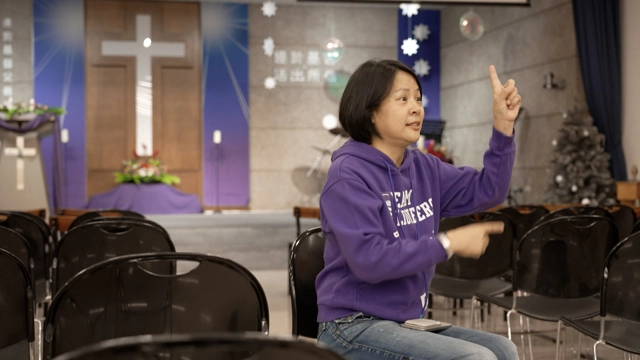 02:29
02:29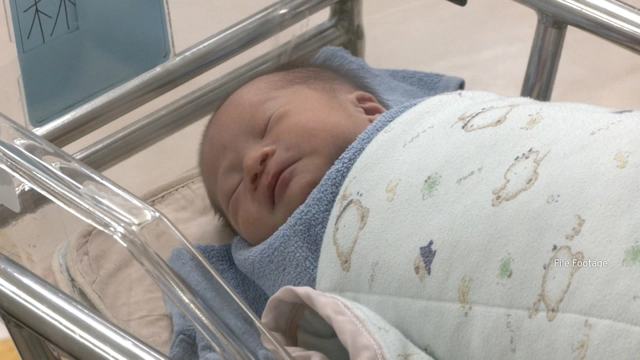 02:40
02:40 00:32
00:32 02:02
02:02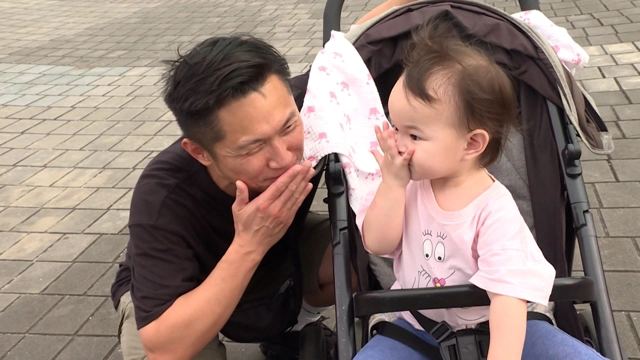 01:54
01:54 02:09
02:09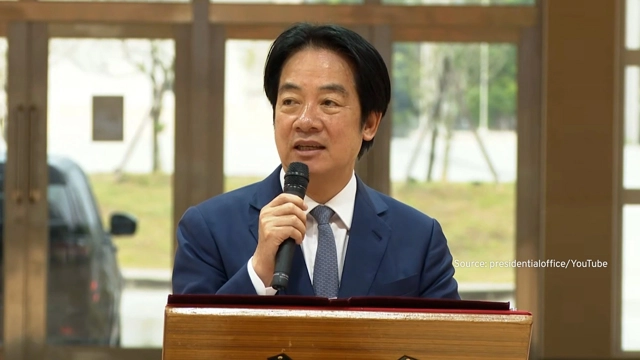 00:50
00:50 00:50
00:50 01:11
01:11 00:40
00:40 00:26
00:26