Raising Taiwan's Birth Rate
REPORTER:
Lawmakers have passed a bill providing subsidies for children in an effort to boost the country’s declining birth rate. But the measure has drawn mixed reactions.
Chen Ching-lung (TPP CAUCUS WHIP):
Our children’s first nest egg savings can now be established by law. I believe this is the kind of long-term solution needed to address Taiwan’s declining birth rate crisis.
Fan Yun (SECRETARY-GENERAL, DPP LEGISLATIVE CAUCUS):
Parents can make unlimited deposits which could lead to an unlimited wealth gap. Nobody knows exactly how much interest and tax revenue would be involved. So from the perspective of the Budget Act we oppose it. And from a design perspective it is not user-friendly for the public either.
REPORTER:
The new law requires the government to set up personal savings accounts for children, incorporating a child growth subsidy program. It provides about 1,800 US dollars a year for every child until age 18. The opposition Taiwan People’s Party estimated the program would cost the government around $6.7 billion US dollars in its first year. The proposal was put forward by opposition parties, with the ruling party criticizing it for further widening the wealth gap. The new program will take effect next year.
 02:29
02:29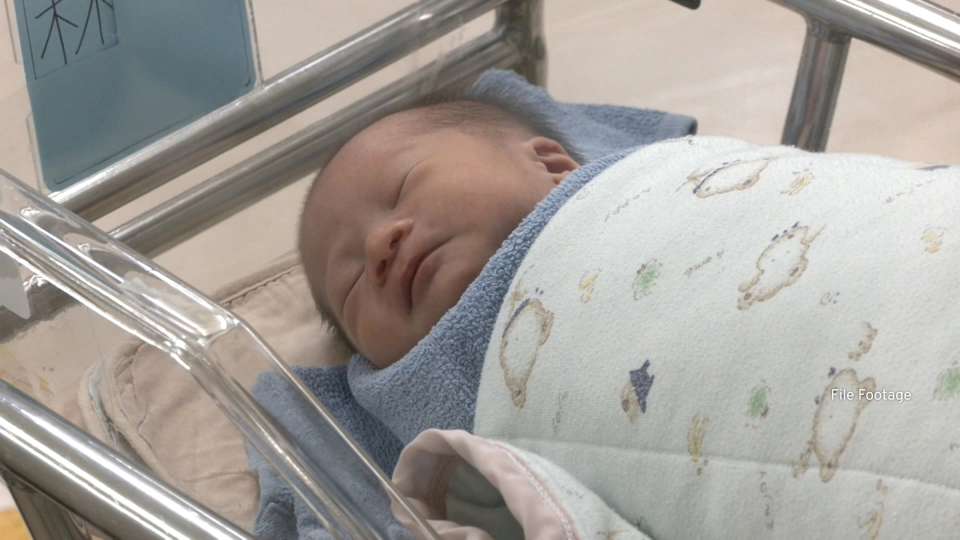 02:40
02:40 00:32
00:32 02:02
02:02 01:54
01:54 02:09
02:09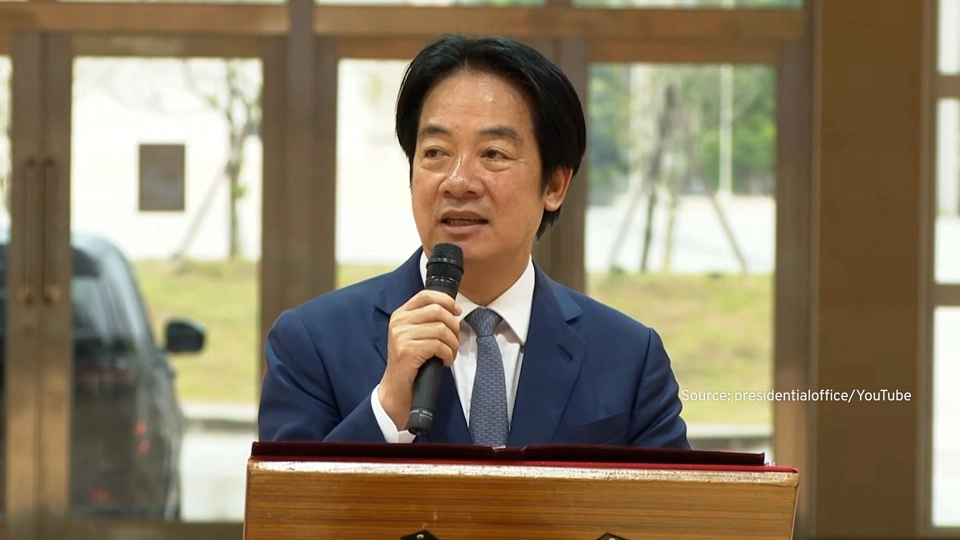 00:50
00:50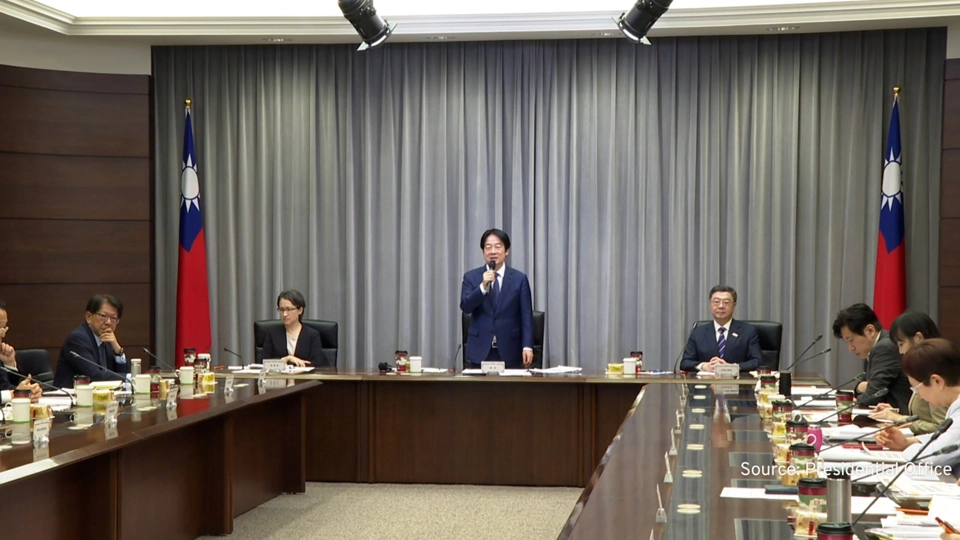 00:50
00:50 01:11
01:11 00:40
00:40 00:26
00:26 00:23
00:23 00:23
00:23 00:29
00:29 01:19
01:19 02:11
02:11