Maritime Tensions
REPORTER:
Your organization, Sealite, was instrumental in first identifying a man made structure off the Scarborough Shoal that the Philippine government is now protesting. What do you think this is all about?
Ray Powell, EXECUTIVE DIRECTOR, SEALIGHT FOUNDATION:
It's a very unusual little contraption that they've put out there.
It doesn't look like it's something that's used for fishing or clam harvesting or anything like that. You know, it's, it looks like maybe it's used for some kind of research or monitoring. Um, but we don't know. And China doesn't feel obliged to tell anybody.
That that does still leave the question as to, you know, why is it there and is it going to become permanent sometime in the future?
I think that for the most part, people aren't yet panicking, but they're not relaxed yet either.
REPORTER:
What do you think regional countries can do in the face of increasing maritime tensions? We've already seen the Philippine government issue a protest to the Chinese government over what's happening in the South China Sea, and we've seen the U.S. push back against some of China's more coercive tactics.
Ray Powell, EXECUTIVE DIRECTOR, SEALIGHT FOUNDATION:
China has been unhappy with the current administrations in Japan, Taiwan and the Philippines. And so this announcement by Japan and the Philippines that they were going to try to resolve their exclusive economic zone demarcation,
That served as a pretext for Beijing to escalate its maritime presence, not just east of Taiwan, but even further east, beyond even what they have laid sort of public claim to.
This latest patrol, which China basically came out and said was a sovereignty assertion,
This is outside of the South China Sea and is basically inside the Philippine Sea, which is, you know, and so this really does like get our attention and say, how far does China's sovereignty claim go? Really? And the answer is as far as it wants to at any given time, because this is farther than we've ever seen before.
REPORTER:
Looking at these regional tensions more broadly, is there anything you think that has gone underreported so far or concerns you have that governments have yet to address?
Ray Powell, EXECUTIVE DIRECTOR, SEALIGHT FOUNDATION:
I think we have to stop talking about the China Coast Guard now, the Maritime Safety Administration, the maritime militia. We have to stop talking about these in the same terms that we're used to. The China Coast Guard may say Coast Guard on the side of the ship, but the the ships that we see in the South China Sea and the East China Sea and the Taiwan Strait are not behaving like a Coast guard as we like to think of coast guards.
They are there to make sovereignty assertions and they are behaving more like a paramilitary force. And so I think it's it's important for us to start changing our terminology.
REPORTER:
A lot of this comes down to claims in asserting sovereignty, as you said. But what are the real world impacts of some of China's actions in the region?
Ray Powell, EXECUTIVE DIRECTOR, SEALIGHT FOUNDATION:
So each of these aggressions taken individually. If you if you complain, they can say, oh, don't worry. Why? Why are you worried about little things? But the entire strategy is built around an entire series of endless little things that, when you add them all together, ends up with China controlling huge amounts of maritime space that used to belong to its neighbors.
You've got an entire coastline of Luzon along the western side in the province of Zambales, which has been economically devastated because they can no longer fish at their traditional fishing fishing grounds. Those fishing grounds at Scarborough Shoal have been surrounded and effectively quarantined or blockaded by China,
You're seeing the economic devastation. You see the seeing the food insecurity, you're seeing the health effects of all of that. Further south, you have these gas fields at Reed Bank that could be of tremendous value to the Philippines today during this global energy crisis. And they can't get to them. They've never been able to explore them because China won't let them get to. And these are these are well within their exclusive economic zone.
And that doesn't even start to touch all of the security concerns that these countries have when essentially now they've got Chinese military and paramilitary forces being pushed right to their doorstep as a coercive force to let them know that if you want to do things that are economically beneficial to you, you have to come through us. If you surrender a little more of your sovereignty, then maybe we'll let you go fishing.
 02:15
02:15 03:07
03:07 03:25
03:25 03:01
03:01 00:42
00:42 00:30
00:30 02:42
02:42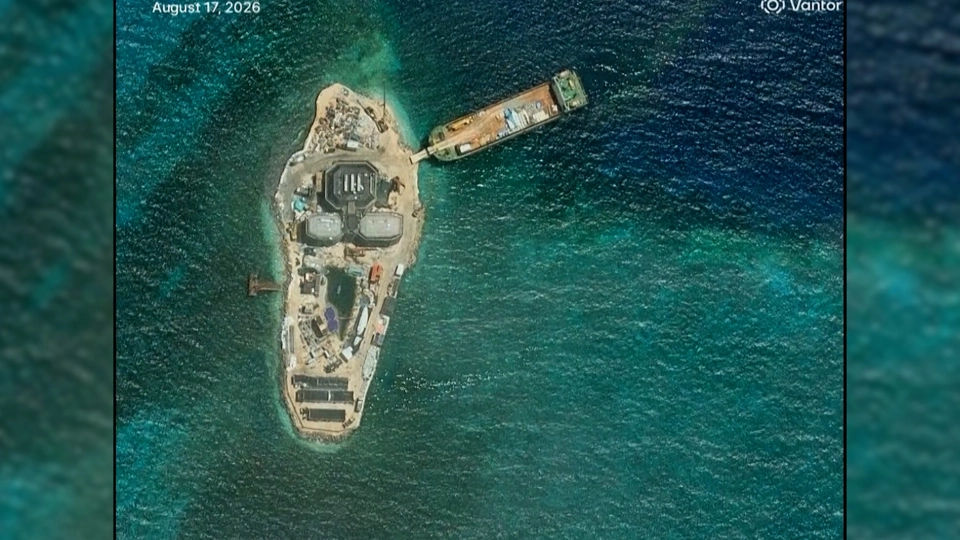 02:54
02:54 03:24
03:24 02:06
02:06 00:32
00:32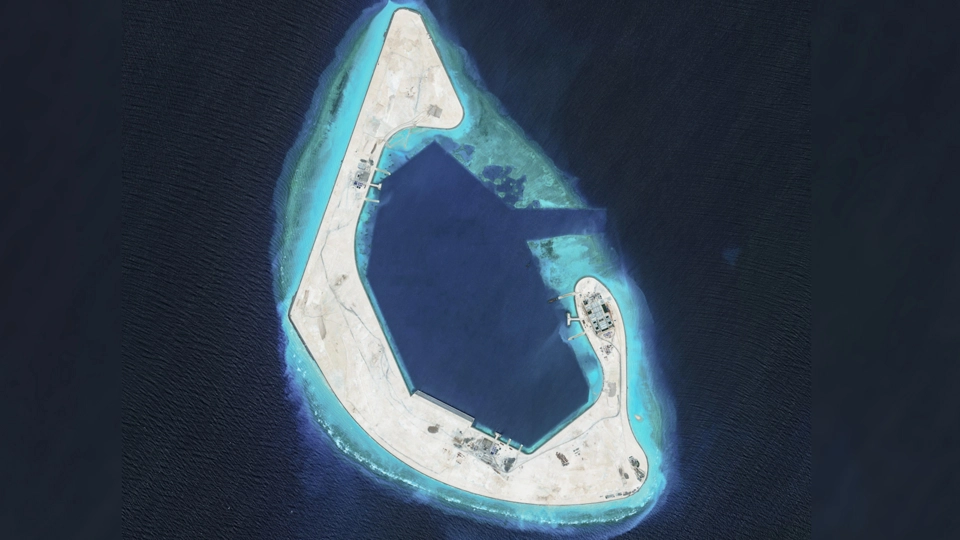 00:29
00:29 00:30
00:30 03:50
03:50 03:09
03:09 04:36
04:36