China

Farmed Fish in Xinjiang, Tibet Linked to Forced Labor in Global Seafood Supply

Published
Updated

By Hank Hsu/Irene Lin

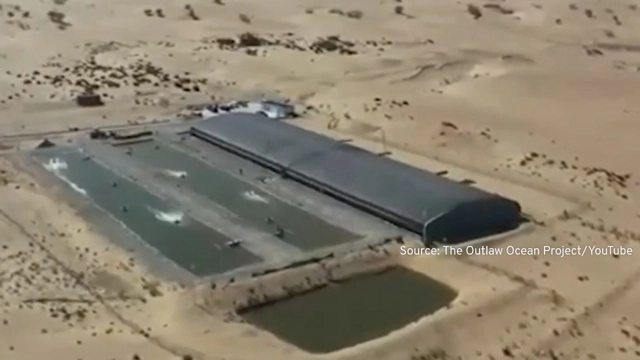
A new investigative report titled "Food for Feed" by The Outlaw Ocean Project reveals severe environmental and human rights abuses hidden within global aquaculture supply chains. Speaking with TaiwanPlus, founder Ian Urbina details how China—which leads global farmed seafood production—has pushed fish farming deep into inland regions like Xinjiang and Tibet as coastal fish stocks decline. In Xinjiang, seafood cultivated through forced labor transfers has entered US public institutions and commercial markets in violation of federal law, prompting Congressional hearings and sanctions against major Chinese producers. Meanwhile, in Tibet, massive infrastructure projects such as the Longyangxia dam solar-hydro hybrid station have flooded cultural sites and displaced nomadic herders, utilizing aquaculture as a vehicle for forced assimilation and state control.

Hidden Costs of Fish Farming

REPORTER:
An environmental watchdog has linked fish farming to human rights abuses in China.

A recent investigation by the US-based nonprofit Outlaw Ocean Project found that global demand for farmed fish had seen production moved to landlocked areas of China like Xinjiang and Tibet. It said that China's development projects in these areas rely on land appropriation, police surveillance, and converting nomadic herders into sedentary farmers. The report also found that a full fifth of all marine life harvested from oceans is used as feed for aquaculture. The practices are linked to environmental destruction, toxic pollution, corporate greenwashing and human rights abuses.