The Trump administration held a meeting with America’s leading tech figures. Is this a new model of AI governance... and is the administration actually listening to the industry?
CHARLES MOK, RESEARCH SCHOLAR STANFORD UNIVERSITY:
"I don't think it's a new model. I think it's a very unique, uh, American model that's been developed by Donald Trump. You know, when whenever there's a new, uh, voices about something different that needs to be done, uh, you know, he call everyone for dinner or lunch or a meeting. And then, uh, he prepared a piece of document and get everybody to sign them. These companies probably are only looking at this document in the last day or two, if not during the lunch. But, uh, what can they do? They will all have to sign on it. The tendency of the administration is when there are suggestions from outside, uh, the president will say that we'll say no, but in fact, he does take on a few of the, uh, suggestions. The US administration is like resisting very strong calls for, uh, enforcement, but in fact, they are, you know, putting in a few of these requirements that are suggested by the industry, but leave it to the industry to do it on their own."
Some US tech leaders warn about AI risks, but concerns over safety, data centers and jobs are also getting louder among the public. Is the Trump administration addressing these issues?
CHARLES MOK, RESEARCH SCHOLAR STANFORD UNIVERSITY:
"I think this approach doesn't really help domestically in the US. If we look at it from the context, in the context of the US midterm election, there's been a lot of distrust that, you know, this dissatisfaction of the industry by the people. And I would think that even though in the next few months, uh, because Congress is in recess and, uh, there's going to be an election soon in November, and very possibly the Democrats may take control. So there might be stronger calls for, uh, legal legislation in coming months or in the next, uh, House and the Senate. But that has to be remained to be seen. Hopefully there won't be some other very catastrophic, uh, happenings in terms of, uh, AI agents and system safety and so on. But if there are, uh, then the pressure is still going to be on the administration to do more."
Trump has repeatedly stressed the need for the US to outcompete China in AI. What has changed in that strategy, and what are AI leaders saying about it?
CHARLES MOK, RESEARCH SCHOLAR STANFORD UNIVERSITY:
"Donald Trump obviously always talks about, uh, in his, uh, belief, uh, any regulation will slow down innovation in the US, and that will make it easier for China to catch up and so on. But, uh, in fact, if you look at some of the proposals from the industry, particularly Dario Amadei, uh, anthropic CEOs paper, uh, a couple of weeks ago, he made a very strong point about that. So, uh, I think Donald Trump is still in taking in is still in his more simple minded kind of thinking that as long as companies can do everything they want and free to do everything they want, uh, and if there needs to be some regulations or monitoring, they can do it on their own. The government is not going to step in. Just do that and everything will be okay. But, uh, I think obviously even in parts of the AI industry, they seem to think differently. But I don't think the administration has heard that message yet."
 03:33
03:33 00:35
00:35 00:50
00:50 02:11
02:11 02:54
02:54 03:19
03:19 03:12
03:12 03:49
03:49 03:31
03:31 02:44
02:44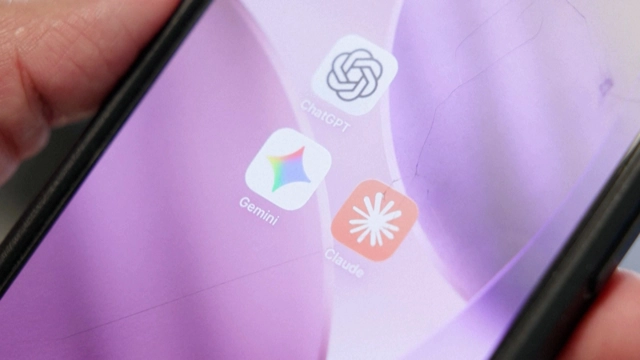 03:41
03:41 02:58
02:58 02:12
02:12 02:22
02:22 02:31
02:31 00:58
00:58