China Steps Up Information Warfare During Han Kuang Drills
By Kris Ma/Lery Hiciano
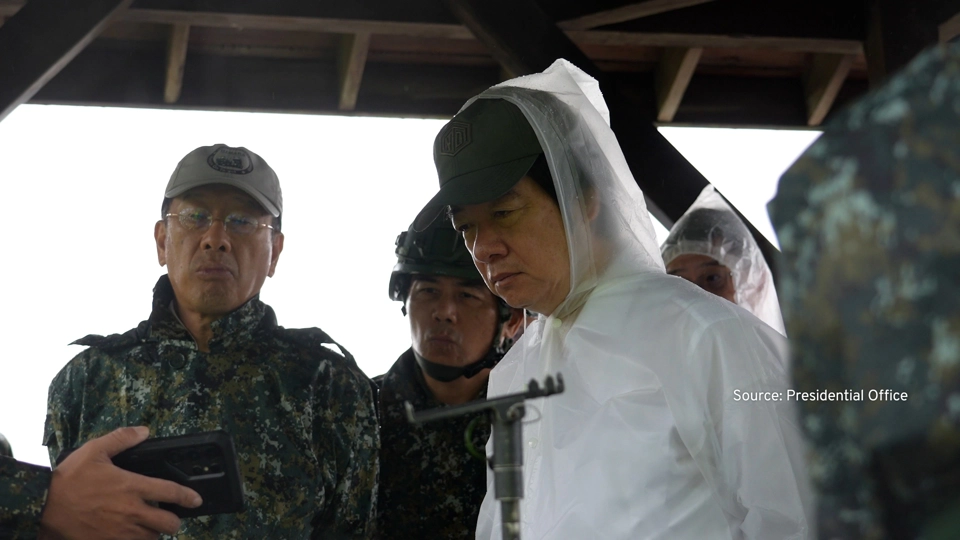
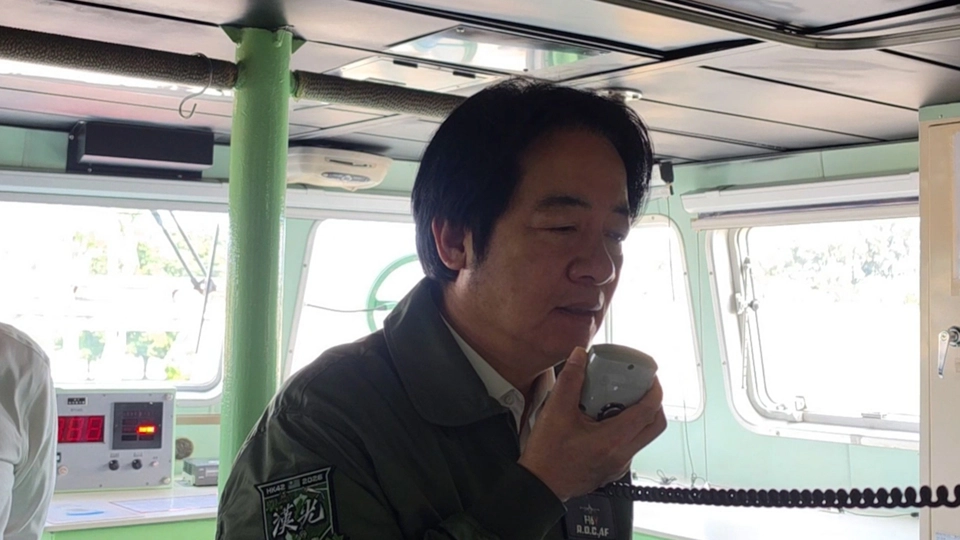
Chinese state media and online influencers launched a campaign of disinformation and counterprogramming before and during Taiwan’s Han Kuang military exercises, according to Taiwanese experts. One widely circulated claim falsely suggested Taiwan President Lai Ching-te had practiced fleeing Taiwan during a military drill. In reality, the exercise simulated moving the president to a secure command center within Taiwan’s defense ministry. Experts say China is increasingly tailoring narratives to issues likely to resonate with Taiwanese audiences, with coordinated posts across state media, influencers and online communities, which amplify misleading claims.
China’s Disinformation Campaign Against Taiwan
REPORTER:
Did Taiwan’s President Lai Ching-te recently take part in an escape drill? Depending on where you get your information online, you might come to very different conclusions.
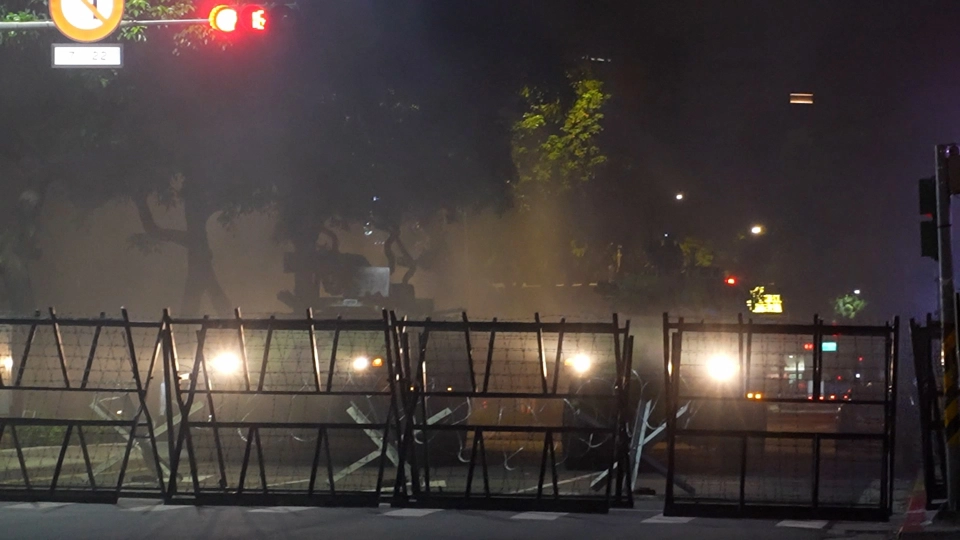
The truth is pretty clear: In the exercise concerned, Lai was not being helped to flee. Rather, the drill simulated moving the president to a secure command center within the defense ministry.
The disinformation originated with Chinese state media, which has repeated the claim across different outlets, as well as social media influencer companies, looking to shape Taiwan's information space. Commenters on this post by a social media studio run by China’s military, including one reportedly from "China's Taiwan" helped amplify the lie.
Yuri Chen (EDITOR, MYGOPEN):
They distorted the exercise of having [President Lai] enter a secure command center and twisted it into him fleeing in secret. Basically, this could undermine the Taiwanese public's trust in the military's command structure and our overall defense procedures.
REPORTER:
And the way the disinformation was spread points to a coordinated effort on the part of Chinese authorities.
Yuri Chen (EDITOR, MYGOPEN):
Usually, they might have state media outlets publish this kind of information. Then it may be picked up by some of their Weibo bloggers and online communities.
By getting many different accounts to post the same thing simultaneously they increase the chances of reaching more Taiwanese people and exposing them to this kind of false narrative.
REPORTER:
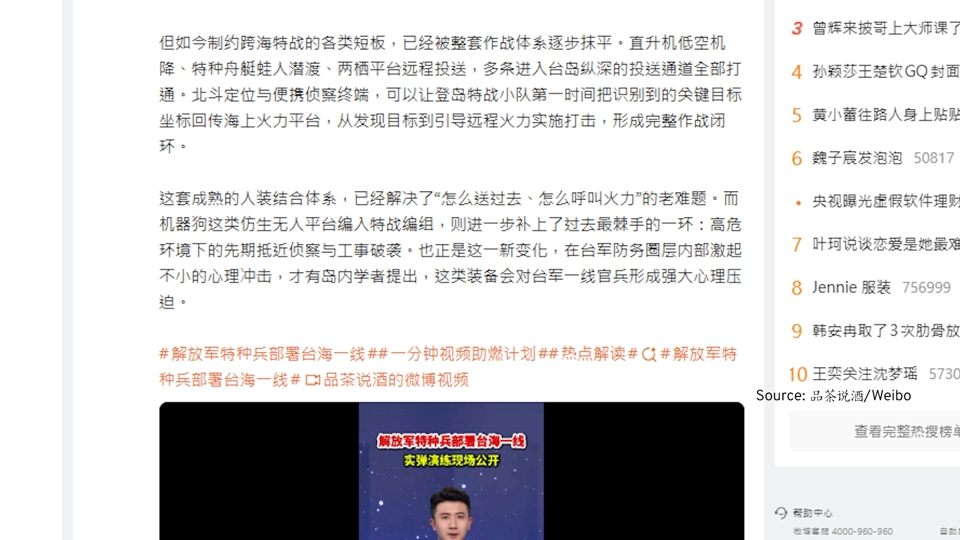
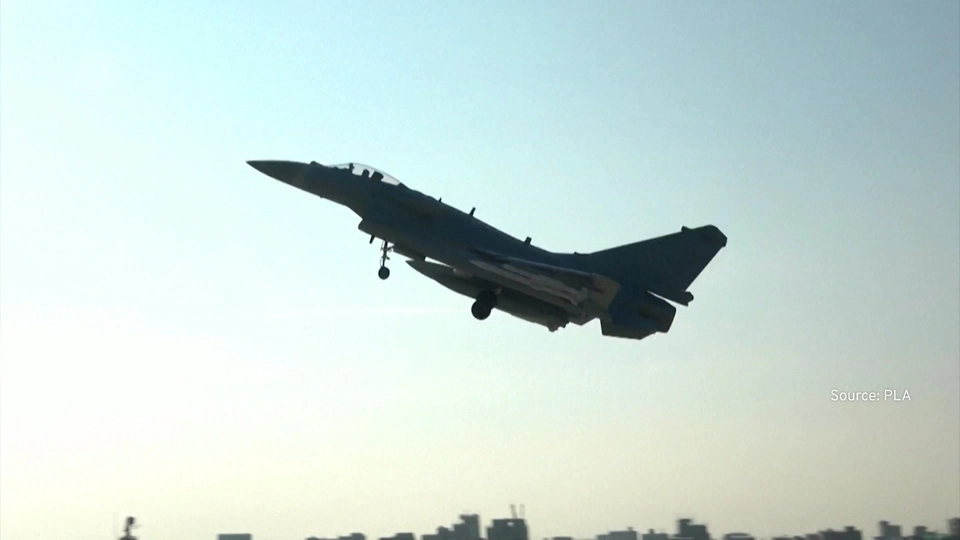
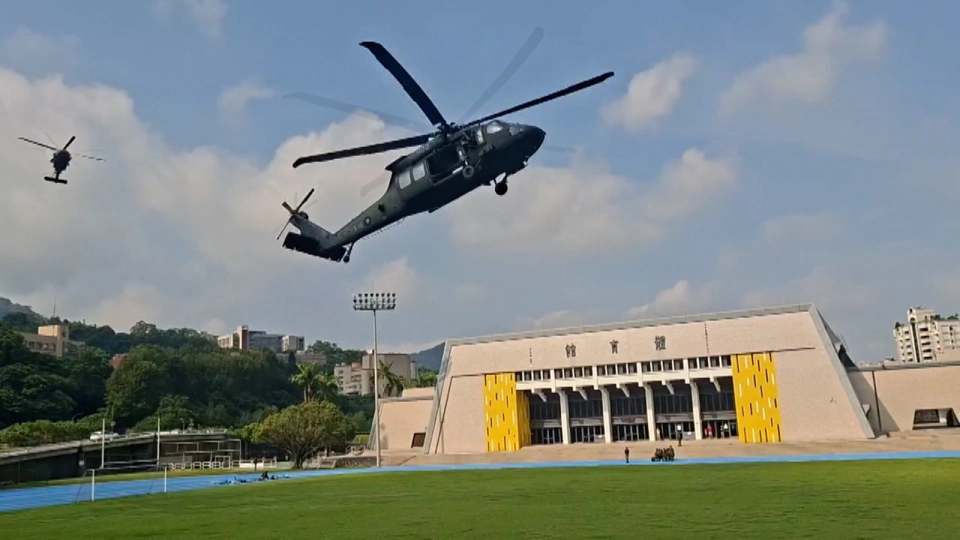
In addition to outright disinformation, Chinese state media and internet users have sought to respond to Taiwan’s Han Kuang military exercises in apparent counterprogramming efforts. The week before Han Kuang and continuing during the ten days of the drills, Chinese state television aired a documentary on China’s “frontline” Taiwan Strait special forces. It showed troops carrying out beach landings, practicing decapitation strikes against high-value targets, using cutting-edge tech like drones, and emphasizing the country's supposed military advantage over Taiwan and the US.
One commenter even said the troops shown in the video deal "psychological damage" to Taiwan's military.
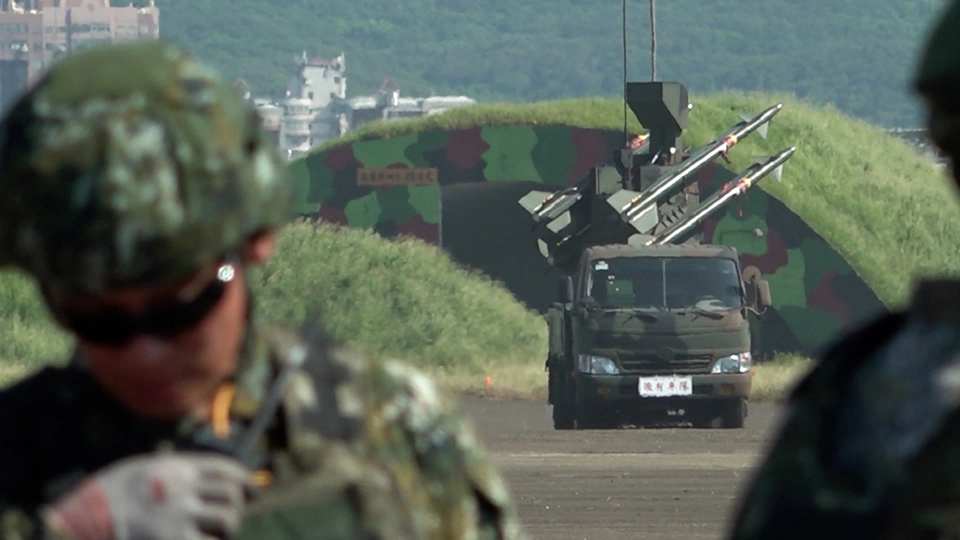
Meanwhile, clips from Han Kuang drills taken out of context then shared on Chinese social media platforms prompted comments such as this one, comparing Taiwan's military to a puppet army, or this one that accuses the army of seeking to use Taiwanese civilians as human shields.
REPORTER:
Chinese platforms have also sought to amplify voices in Taiwan that they can coopt for their own purposes. That includes news clips from Taiwanese politician Jaw Shaw-kong, calling for more cross-strait exchanges. There’s retired Taiwanese general Hsueh Shih-min saying cross-strait talks are necessary, and unverified reports from local Taiwanese media claiming to show that unification is now possible.
China is refining its approach to spinning narratives, which could have major consequences for Taiwan.
Paul Liu (TAIWAN DIGITAL SECURITY DEVELOPMENT ASSOC.):
There is a tremendous amount of audio and video content and there’s more and more of it. But when it comes to what you might call targeted attacks I think they’re becoming increasingly precise more tailored to what appeals to people and focused on issues that are more likely to resonate with Taiwanese people.
In fact, you’ll find that more and more people whether in the news media or among political figures are starting to pick up these issues and use them to raise questions or challenge the government.
REPORTER:
As Taiwan moves closer to its local elections at the end of the year, the threat of greater levels of Chinese interference influencing opinion in online spaces may prove increasingly serious.