Taiwan President Joins Coastal Strike Drill, Pledges More Defense Support
By Fuhua Hung/Lery Hiciano
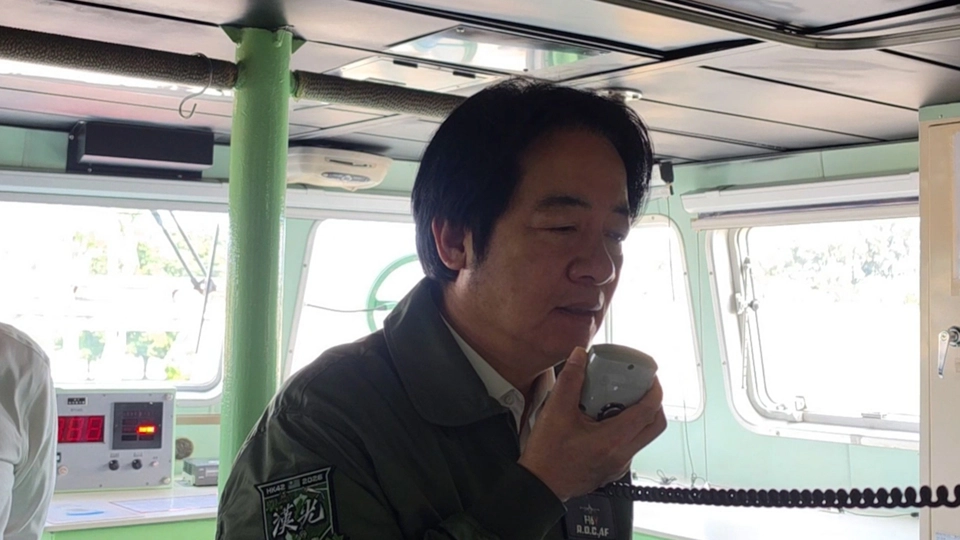
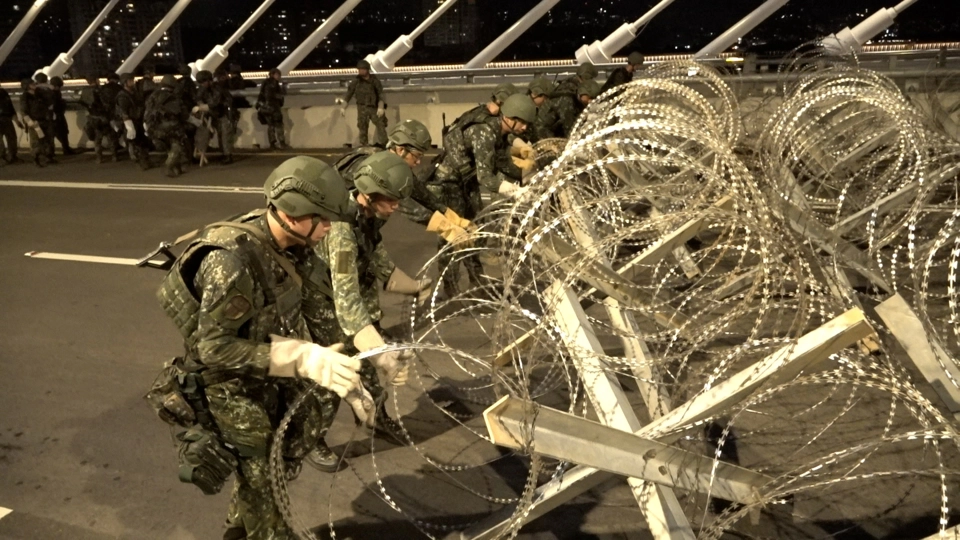
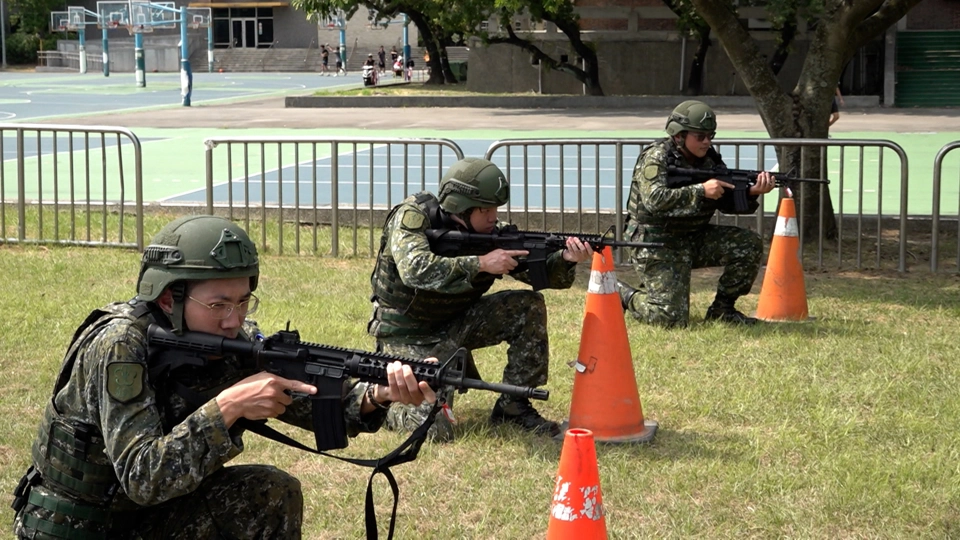
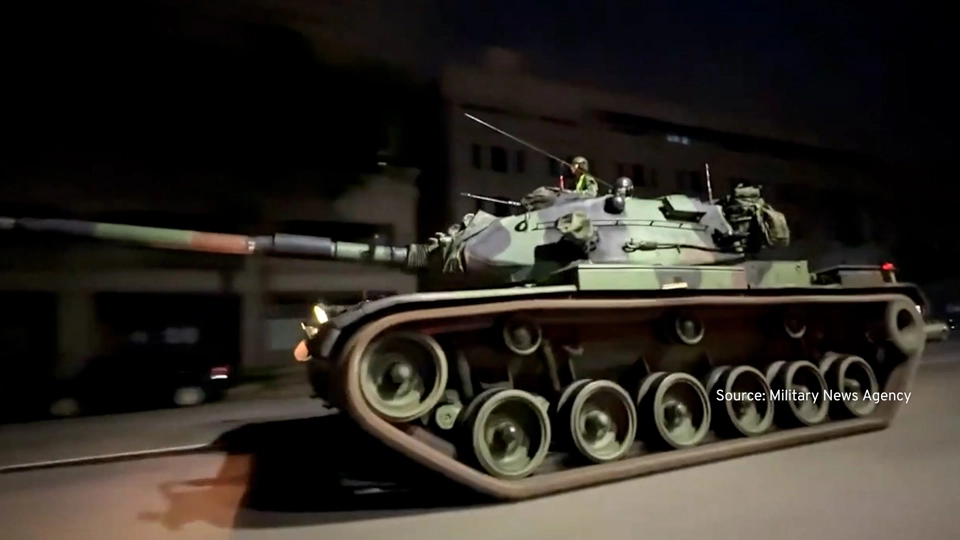
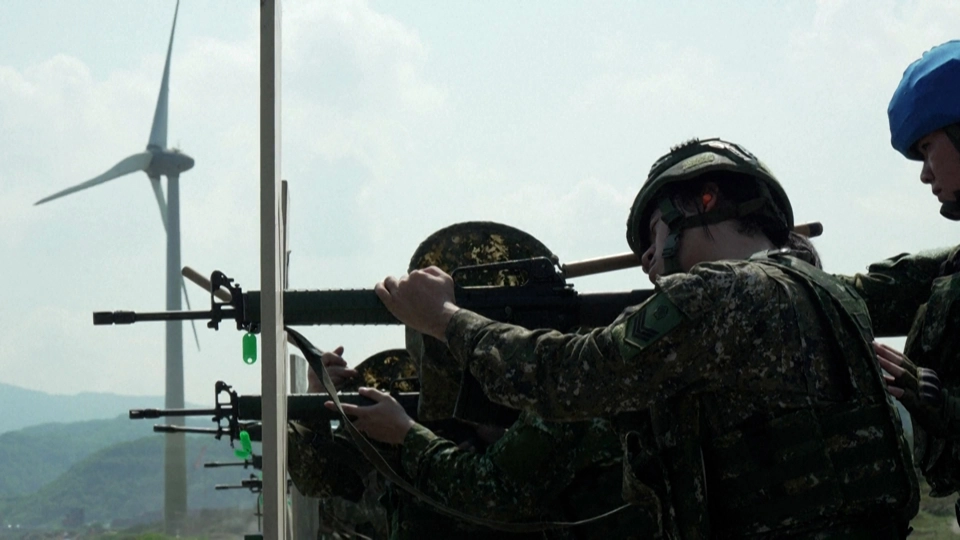
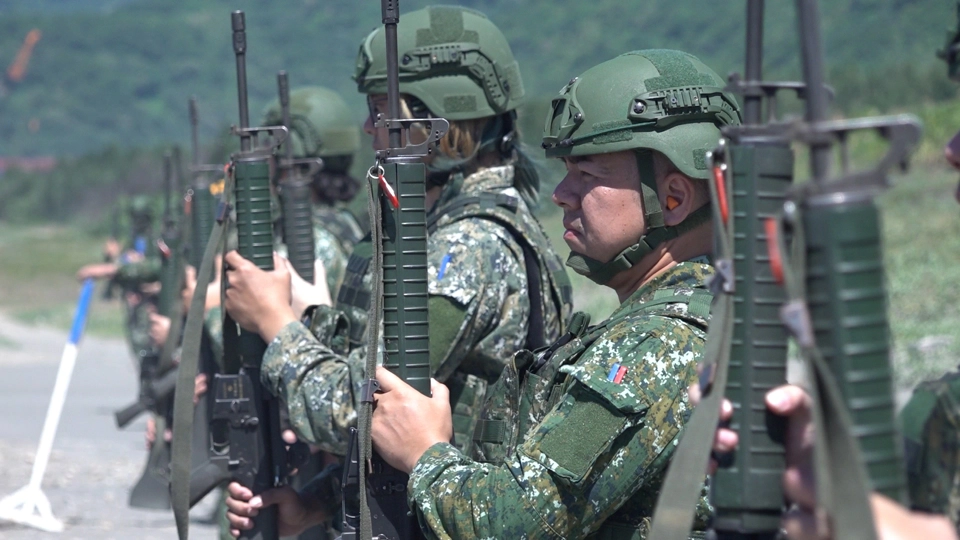
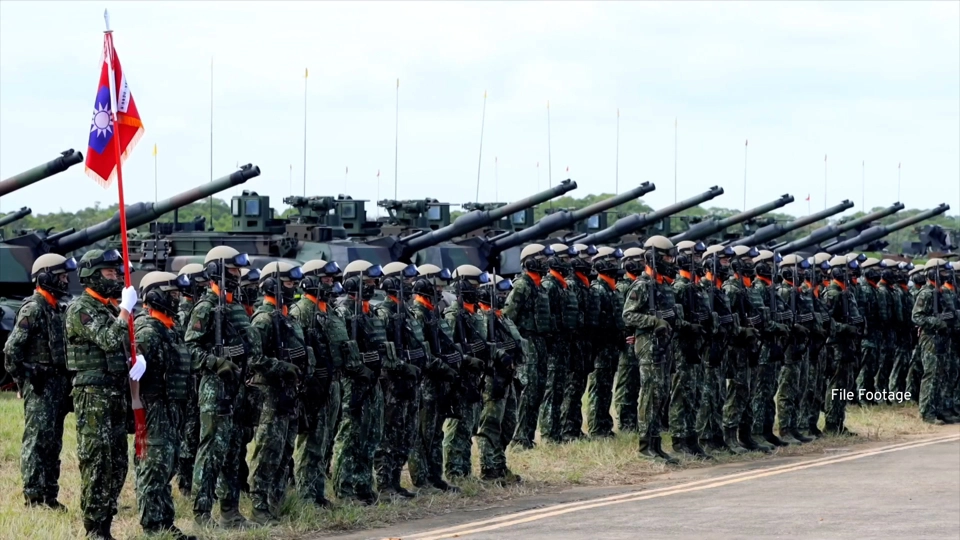
Taiwan’s annual Han Kuang military exercises are testing how quickly the country could respond to a simulated Chinese assault. On Saturday, President Lai Ching-te oversaw a coastal strike drill in Kaohsiung, where fast attack boats, defensive positions and new drones were used to counter a simulated landing. In northern Taiwan, troops practiced rapidly repairing bomb-damaged runways and rearming fighter jets.
Taiwan Military Prepares for Chinese Assault in Han Kuang Exercise
---
Lai Ching-te, TAIWAN PRESIDENT:
Right now, I'm on board a fast attack missile boat. You're ordered to depart immediately and carry out a coastal strike mission.
REPORTER:
A direct order from President Lai Ching-te to fight off a simulated Chinese assault on Taiwan's southern coast in Kaohsiung.
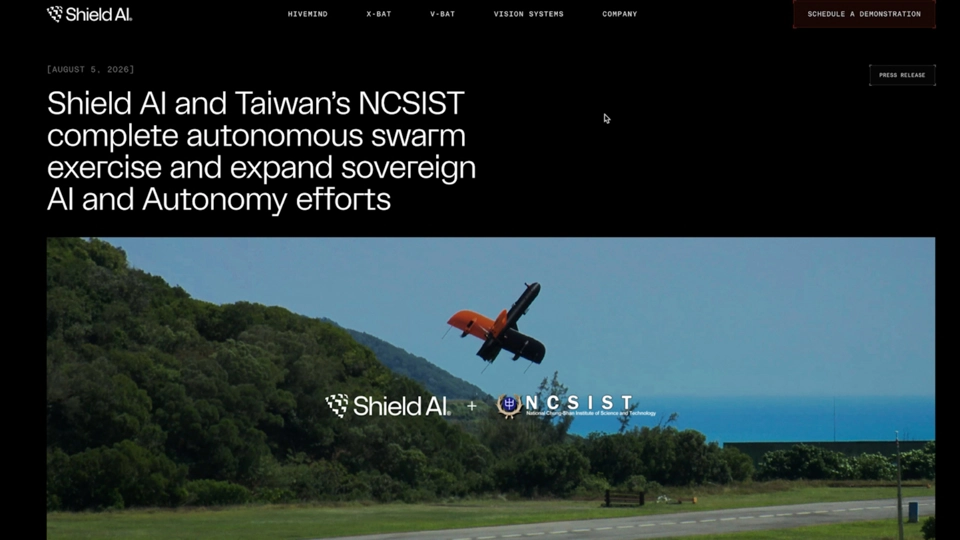
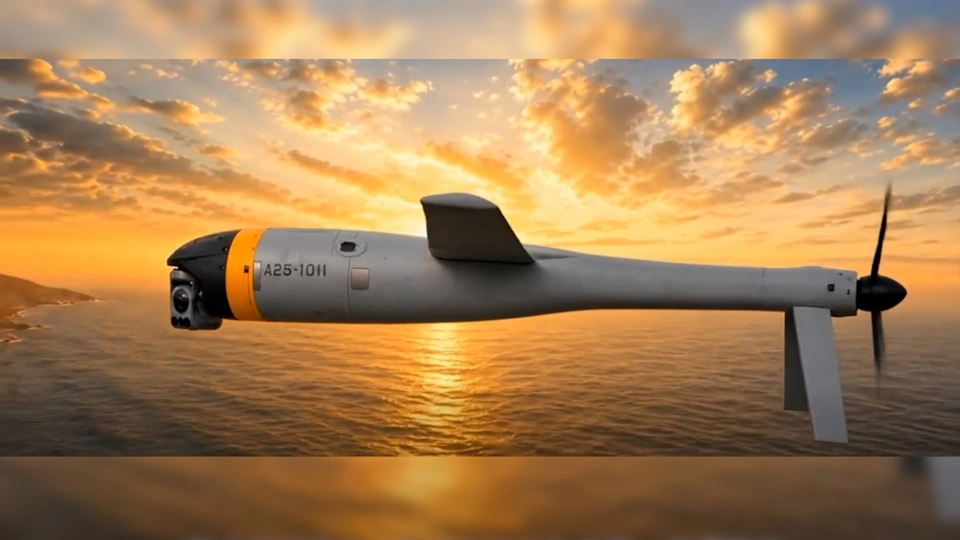
Units use defensive fortifications on the beach, fast-moving assault boats, and most prominently, drones, to carry out the orders. The military is also introducing new reconnaissance and suicide drones to the drills for the first time, helping troops identify targets and speed up the military kill chain.
The coastal strike drill is part of Taiwan's largest annual Han Kuang exercise, which tests the country's readiness to counter a potential Chinese invasion over 10 days.
Lai Ching-te, TAIWAN PRESIDENT:
In the face of external threats and challenges the government continues to strengthen national defense and provide the greatest possible support to the armed forces and coast guard personnel. We also hope everyone will respond proactively during the exercise and strengthen coordination so that we can handle all kinds of situations and safeguard the nation's sovereignty and the safety of its people with a strong and capable force.
REPORTER:
Protecting coastal targets is only part of the preparations the military put on display. In Hsinchu City in northern Taiwan, soldiers also simulated a scenario in which Taiwan has only limited time to prepare and respond to an attack.
Part of that is making sure its air force can get its aircraft into the air as quickly as possible, even after an initial strike.
REPORTER:
Behind me, troops are training in rapidly repairing runways. An official here says this is a long established training, one that highlights the military’s awareness that in a conflict, an enemy would seek to cripple Taiwan’s air assets and prevent them from taking to the skies.
REPORTER:
Crews quickly fill the craters, then cover them with a fiberglass layer to create a smooth surface for jets to take off. Nearby, missile trucks stand by, ready to respond to any further enemy attacks.
The air force says repairing runways is a time-sensitive task.
Lt. Col. Lin Chih-hsuan, SQUADRON LEADER, SECOND TACTICAL FIGHTER WING:
The entire operation is scheduled to be completed within four hours. During wartime, civilian contractors would also be mobilized to assist with the repair.
REPORTER:
In the event of a real attack, other crews at the air base would have their own duties to fulfill. A key task is rapidly rearming fighter jets with new missiles. In just a few minutes, this Mirage jet was armed with air-to-air missiles.
And after all that, the jets are ready to take off.
All of these drills show just how seriously Taiwan is taking the threat, aiming to prepare its troops as well as possible for a worst-case scenario.
Fuhua Hung and Lery Hiciano, for TaiwanPlus.