Han Kuang 2026: Preparing for Defense in Depth and Protracted Combat
By John Su/Lery Hiciano
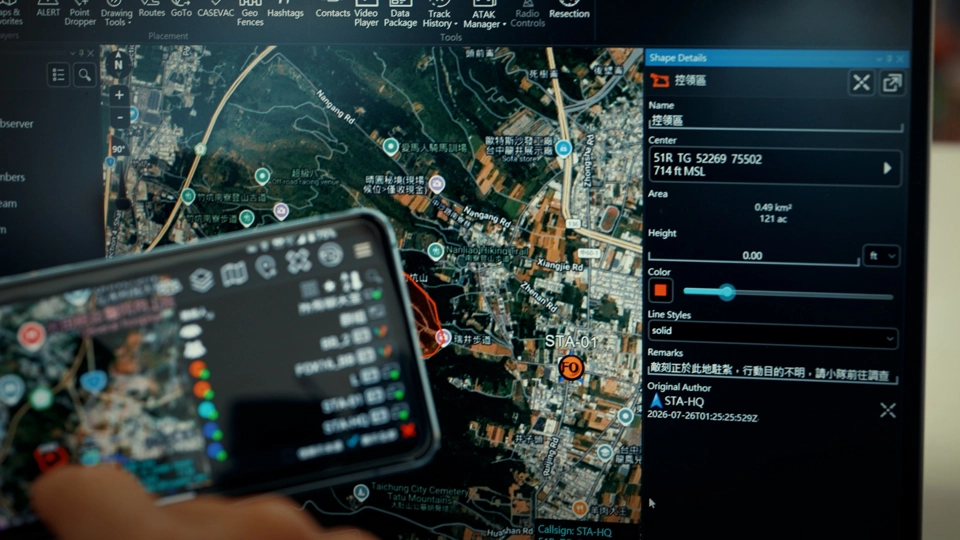
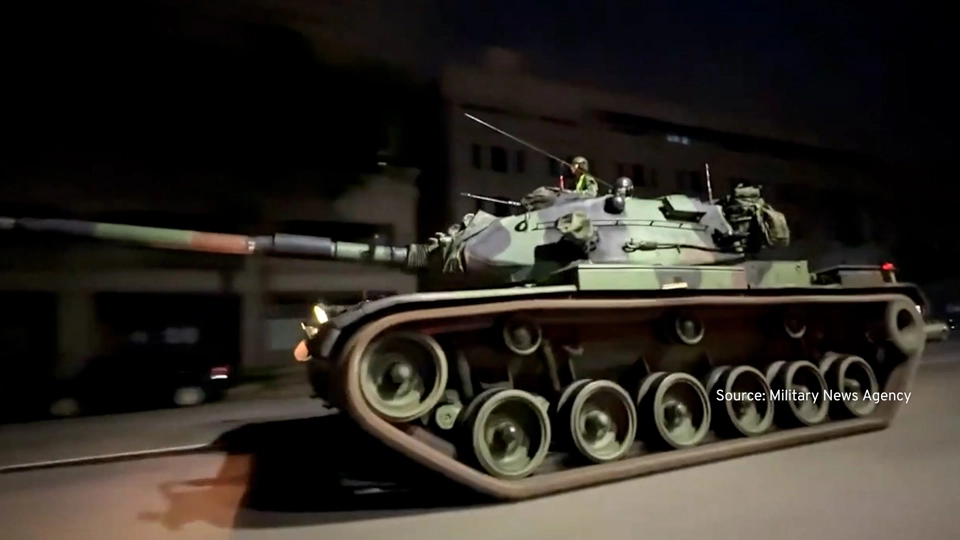
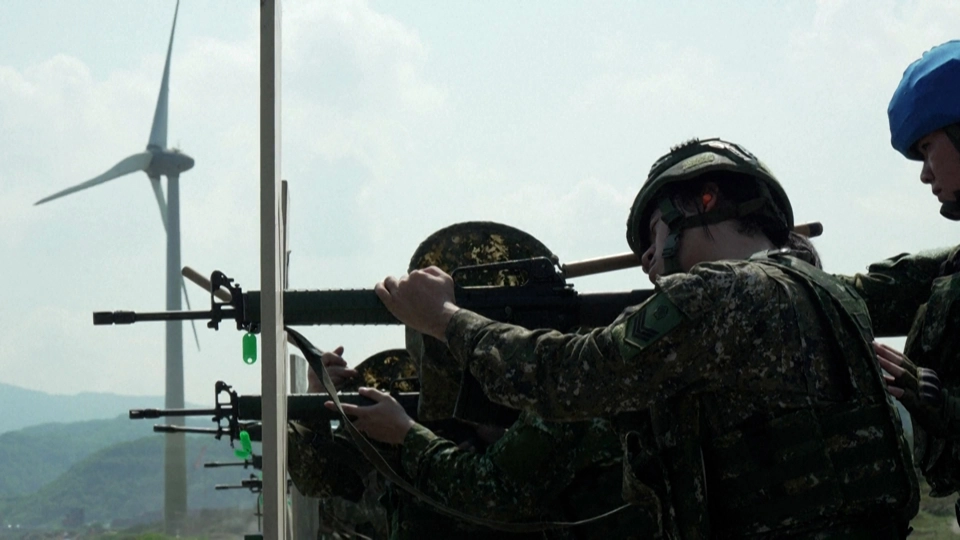
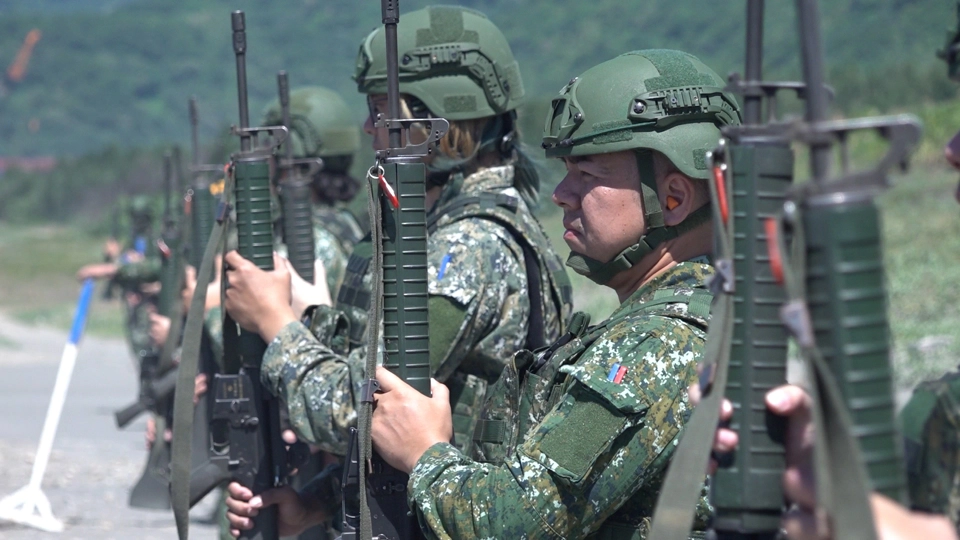
Taiwan’s annual Han Kuang Exercise entered its eighth day, with units focusing on what the defense ministry calls the “deep defense and protracted combat” phase of a conflict. Rather than concentrating solely on repelling an amphibious assault, troops are training for a multilayered defense that could continue across urban areas and other parts of Taiwan in the event of an invasion. Around Taipei, special forces practiced rapid helicopter deployments, while troops trained to defend key areas such as the Guandu Plain against potential airborne or river-based incursions.
Han Kuang Exercise 2026
REPORTER:
Taiwan's annual Han Kuang military exercise is in its eighth day, what the defense ministry is calling the "deep defense and protracted combat" phase. That means troops focused less on confronting enemies and more on training logistics and support operations.
Su Tzu-yun (DEFENSE ANALYST, INDSR):
ou can think of [these drills] as having different layers. The outer layer is focused on countering an amphibious landing. Then, in beach areas there would be counterattacks. So in urban warfare there would also be related defensive operations.
REPORTER:
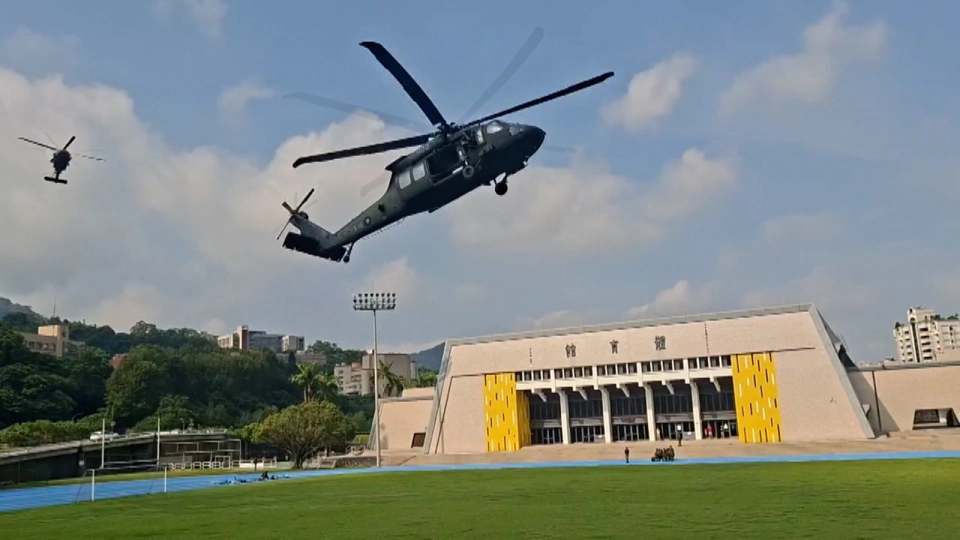
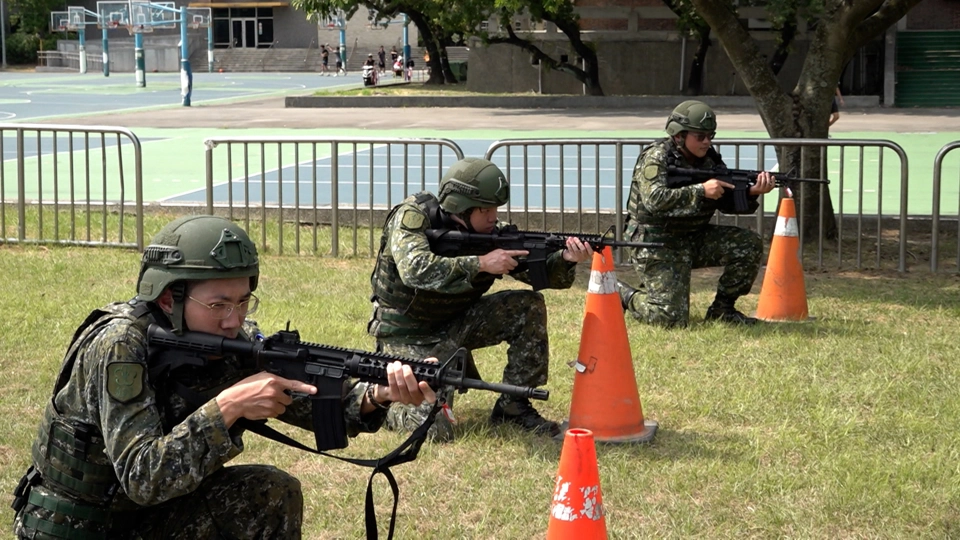
Exercises took place around the capital, Taipei. Special forces units used Blackhawk helicopters to train how they could project air power across northern Taiwan. One chopper landed on a university sports field, where troops quickly hopped on, carrying anti-armor missiles.
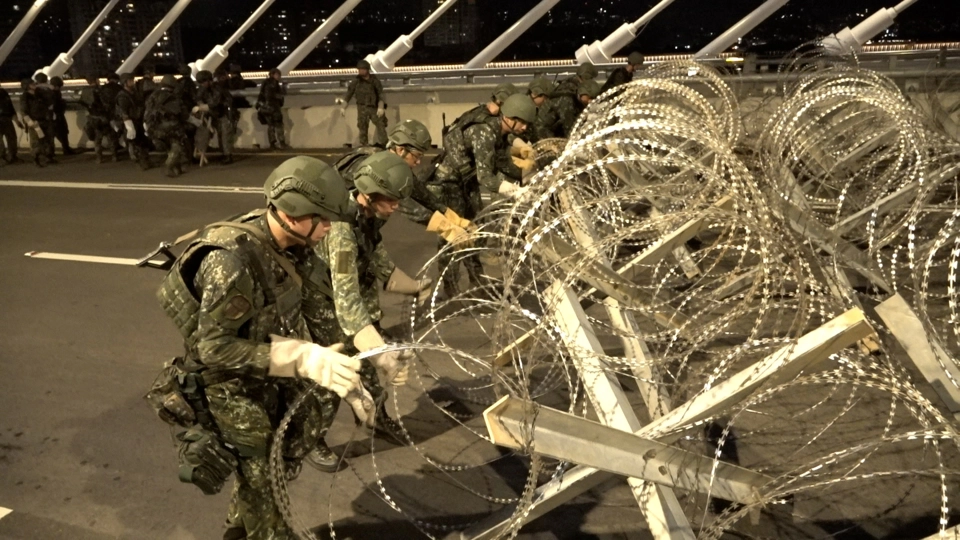
The military police, usually tasked with protecting the Presidential Office and key areas around the city, carried out their own exercises. They reinforced their Nangang district garrison overnight and deployed troops Wednesday morning to northern Taipei’s Guandu plain.
Su Tzu-yun (DEFENSE ANALYST, INDSR):
If China or an adversary were to enter via the Tamsui River or to use helicopters or parachutes to land, Guandu Plain would be an important area because it is relatively flat. So this scenario would combine forces including Marine Corps units in Beitou as well as troops at relevant command HQs and barracks to destroy the invading forces.
REPORTER:
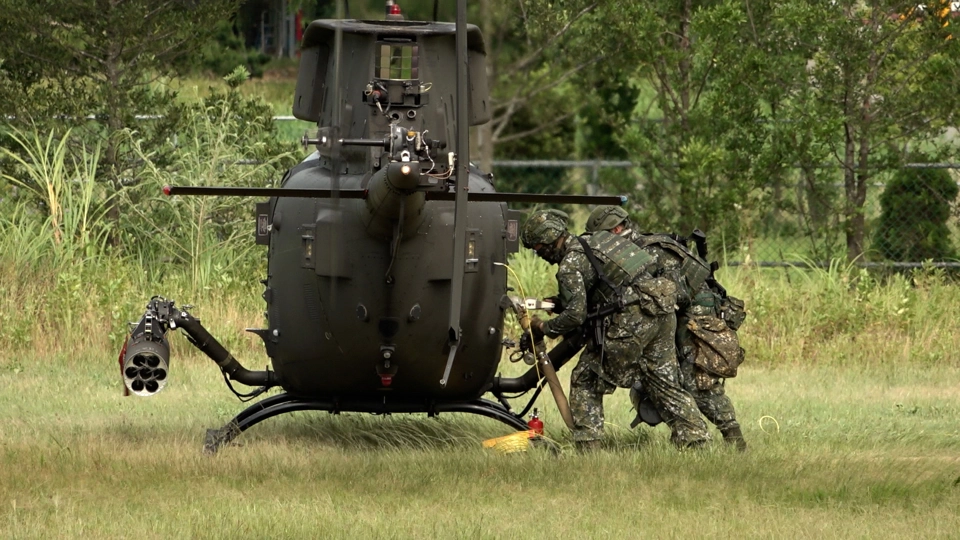
Overnight, units in Taoyuan carried out 24-hour exercises on wartime equipment repair. That means assembling engines, fixing hydraulic and electrical systems, and troubleshooting issues. Their task was to carry out repairs as quickly as possible in limited light.
REPORTER:
Air defense units also conducted their own exercise across northern Taiwan, carrying out nighttime resupply drills.
REPORTER:
But while logistics took center stage, ensuring troops could drill their combat capabilities remained a key part of the nighttime exercises. Army special forces units held an ambush drill, where under cover of darkness, personnel simulated destroying an enemy armored convoy and eliminating high-value targets. They used anti-vehicle missiles, drones, thermal-imaging scopes, and sniper rifles.
REPORTER:
As Han Kuang 2026 enters its final days, these drills continue to highlight the army's multilayered defense strategy, one that goes beyond beach landings or maneuvers in the Taiwan Strait. They’re training troops to take advantage of Taiwan's terrain and urban landscape to successfully delay enemy advances and make an invasion more costly for an enemy.