Drone Funding Bills: Competing Proposals from Opposition Parties
REPORTER:
The opposition Kuomintang and Taiwan People’s Party have put forward their own ideas for how to fund the country's drone development efforts, just days after delaying a special funding bill by the Cabinet.
They said the government's proposed funds would not come from the general defense budget, rather be a one-off "special" budget. They said this could cause a lack of oversight.
Lin Pei-hsiang (KMT CAUCUS LEADER):
Because national defense is a long-term project special budgets shouldn’t be used each time to evade oversight and the public shouldn't be forced to sign a blank check. More importantly the purpose of [the KMT’s proposed] budget is clearly stated. It can only be used for the procurement production, maintenance, training and testing of military unmanned vehicles as well as the development of industrial clusters.
REPORTER:
The KMT’s version would provide a total of $7.5 billion US dollars, spread out over six years. This money would be carved out of the annual defense budget, rather than be a one-off special budget.
The proposal also includes drone industry incentives, minimum levels of domestic components in military equipment, cybersecurity verification, and more. The KMT has also said it would look to promote international technology transfers with global partners.
REPORTER:
The smaller TPP’s concerns are more budgetary.
Chen Ching-lung (TPP CAUCUS WHIP):
Our party's consistent position is that we insist on fiscal discipline and won’t let special budgets become the norm.
Vicky Chen (DIRECTOR, TPP CAUCUS):
Our version seeks to strengthen national defense self-reliance while connecting it with [local] industries. Only by doing so can we further stimulate demand, expand into export markets, and ultimately drive comprehensive, orderly, and sustainable economic development.
REPORTER:
The TPP bill does not set a funding amount or cap. Instead, it focuses on establishing oversight procedures, such as setting up a drone development committee to help develop a national strategy, as well as ensuring private companies that receive funding adhere to certain standards.
REPORTER:
The original Cabinet proposal put forward $6.6 billion US dollars through 2031, looking to acquire more than 200,000 drones. Military watchers say drones serve multiple purposes, bolstering defense, economic development and international cooperation.
Su Tzu-yun (DEFENSE ANALYST, INDSR):
For Taiwan China's numerical advantage is a fundamental challenge. By leveraging Taiwan's geographic advantages and developing large numbers of drones and unmanned surface vessels Taiwan can help offset the People's Liberation Army's advantages. If Taiwan continues to invest in this area it will not only meet the country's national defense needs but also create valuable opportunities for Taiwan's industries. A third benefit is that it would deepen cooperation with democratic partners, particularly the United States.
REPORTER:
The Legislature is now set to debate all three proposals. Whichever eventually passed, Taiwan's drone industry is set to receive a major boost.
 00:37
00:37 00:29
00:29 02:13
02:13 00:54
00:54 01:29
01:29 00:43
00:43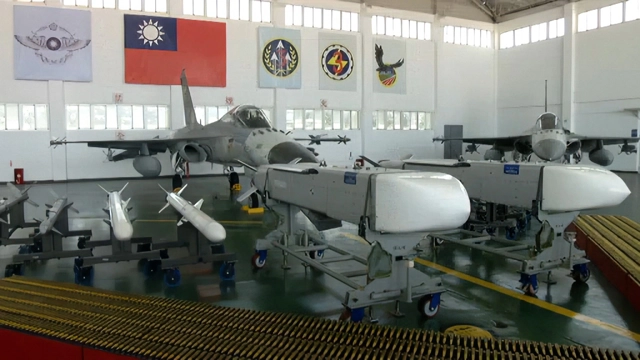 00:53
00:53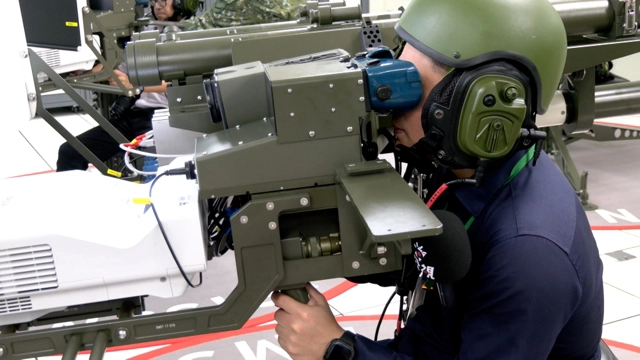 00:44
00:44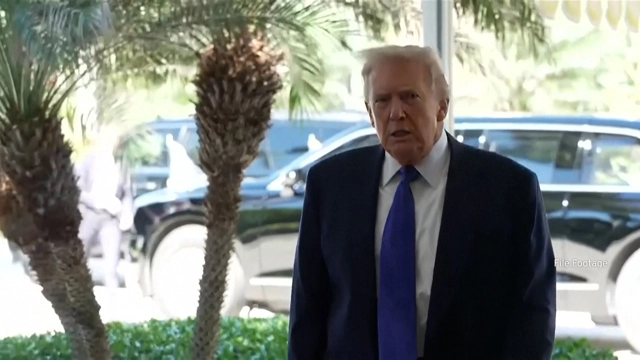 00:29
00:29 02:09
02:09 00:26
00:26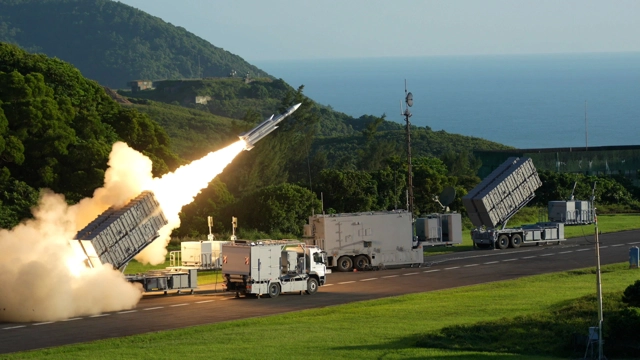 00:49
00:49 00:27
00:27 00:34
00:34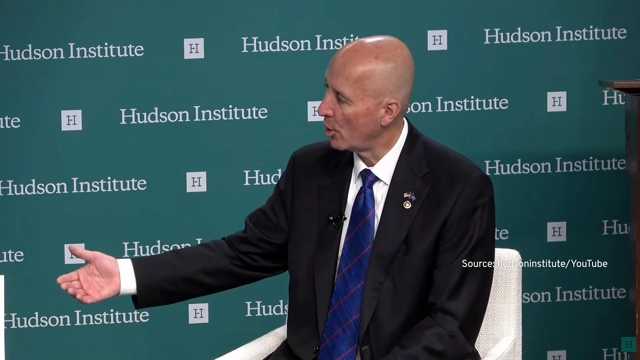 00:35
00:35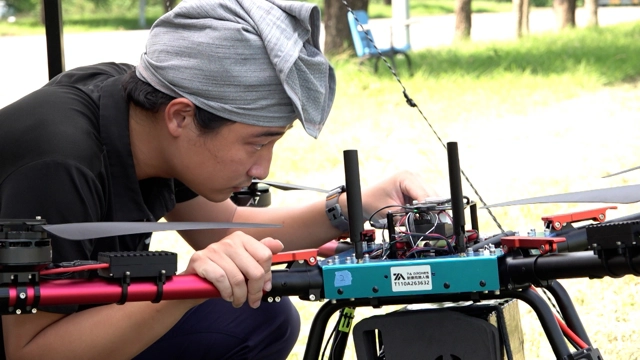 04:10
04:10