Combat Readiness Drills Conclude Across Taiwan
REPORTER:
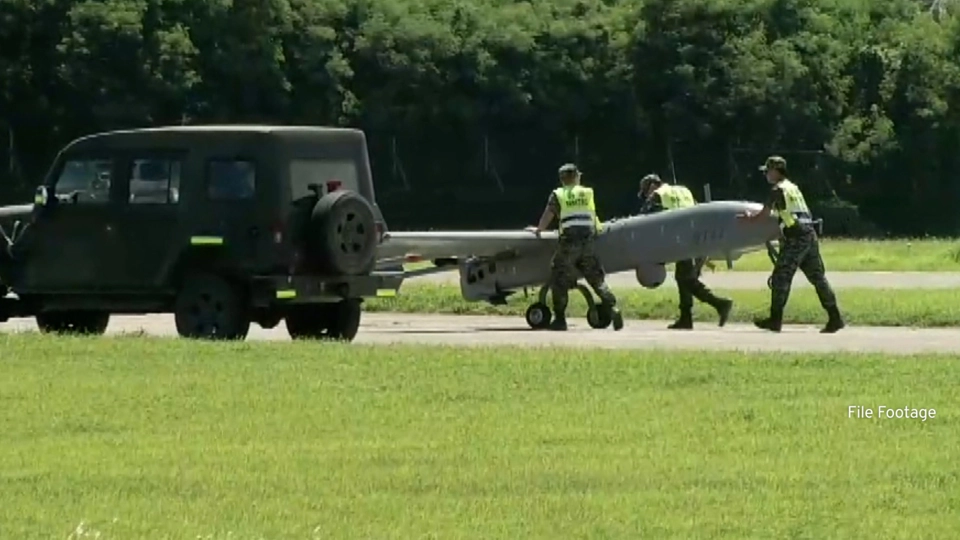
Five days of nationwide combat drills come to an end. Throughout the exercise, the name of the game was defense. Across the country, units focused on rapidly deploying to tactical locations to delay hostile invading forces.
REPORTER:
What did that look like? In northern Taiwan, units mostly focused on defending Taoyuan Airport, Taipei Port, the Tamsui River and key transport routes around them.
In central Taiwan, HIMARS rocket artillery practiced rapidly deploying, dispersing and evading enemy detection.
While in southern Taiwan, troops practiced joint defense of Xishu Beach, a "red beach" that is particularly vulnerable to an invasion.
These drills are part of growing efforts to prepare troops for combat by simulating real-world conditions.
Shen Ming-shih (RESEARCH FELLOW, INDSR):
It's very good that these drills are not pre-planned as they better match real emergency scenarios. This makes [these drills] more rigorous than before.
REPORTER:
The drills' focus on speed is a reflection of a changing security environment around Taiwan. China operates near daily flights and naval incursions around the country, harasses shipping lanes, and has launched huge military drills as recently as last December. Defense minister Wellington Koo said the drills were necessary in the face of increasingly shorter warning times as conflict could rapidly escalate.
Shen Ming-shih (RESEARCH FELLOW, INDSR):
We know [China] is currently conducting various gray-zone operations against Taiwan. These gray-zone operations could potentially escalate into direct military action against Taiwan.
In these conditions, after receiving intelligence how do Taiwan's various military units immediately reach their tactical positions?
REPORTER:
Outside of ensuring that military units are properly trained, the drills serve an important public relations function for the country as it continues to court international support.
Ja Ian Chong (NATIONAL UNIVERSITY OF SINGAPORE):
One of the criticisms that Taiwan previously received was that it was not taking the threat seriously.
To the extent that the Taiwan state is taking potential threat seriously, will help both the support and confidence in Taiwan and Taiwan's willingness to protect itself. And that can make international support more forthcoming.
REPORTER:
There's also Taiwan's domestic audience, as well as China's own military, to consider.
Ja Ian Chong (NATIONAL UNIVERSITY OF SINGAPORE):
the signaling is also to Taiwan's domestic population,
I think there's also a third element of that signaling, Taiwan is prepared and can potentially impose costs on the PRC
REPORTER:
These drills are only the first of several scheduled for this summer. The annual Han Kuang exercises, the biggest Taiwan's military carries out, are set to take place in August. If this week’s combat readiness exercises are anything to go by, the Han Kuang drills will be even more serious.
 04:02
04:02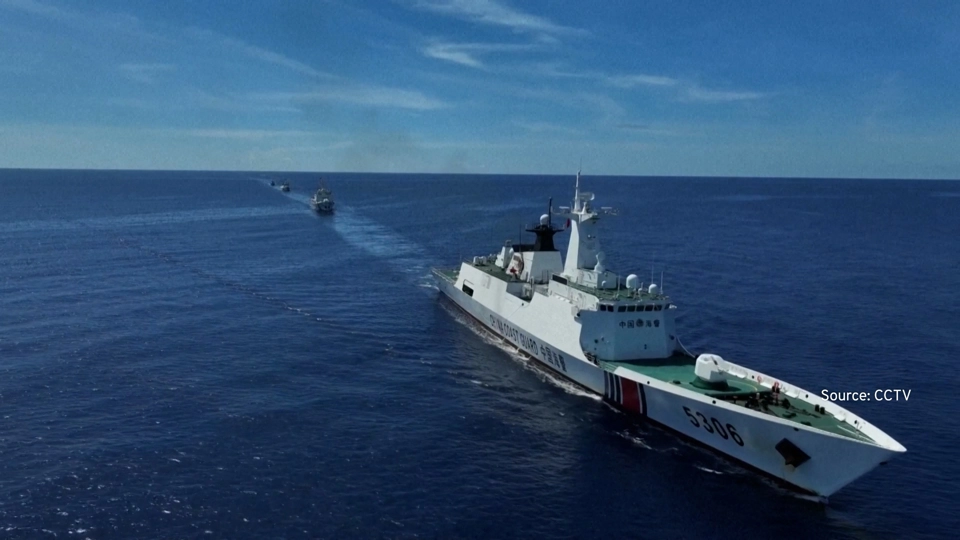 00:31
00:31 02:54
02:54 02:33
02:33 04:03
04:03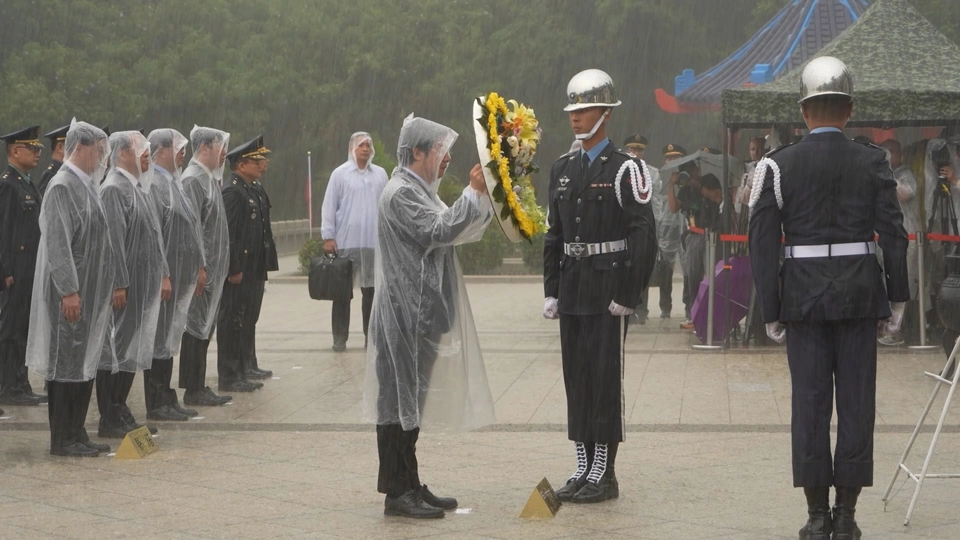 03:00
03:00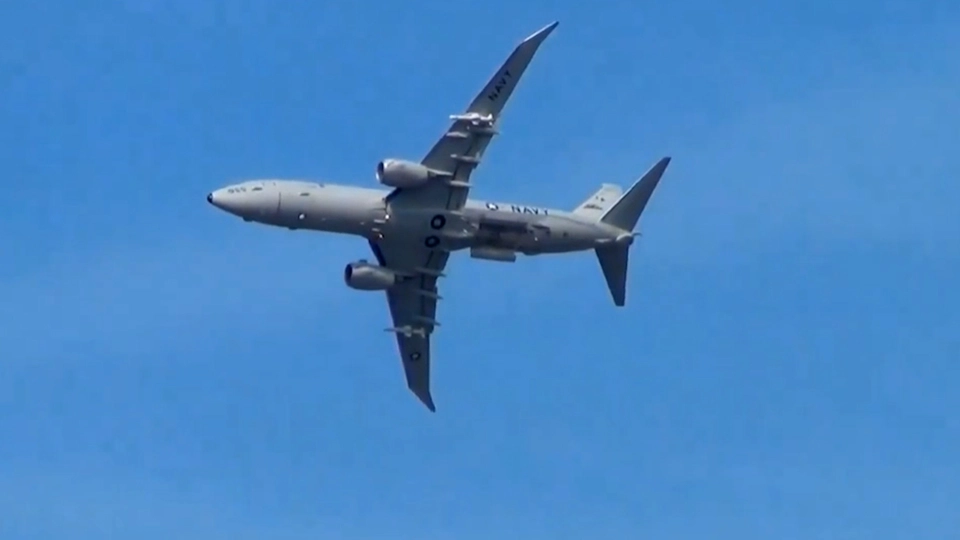 00:26
00:26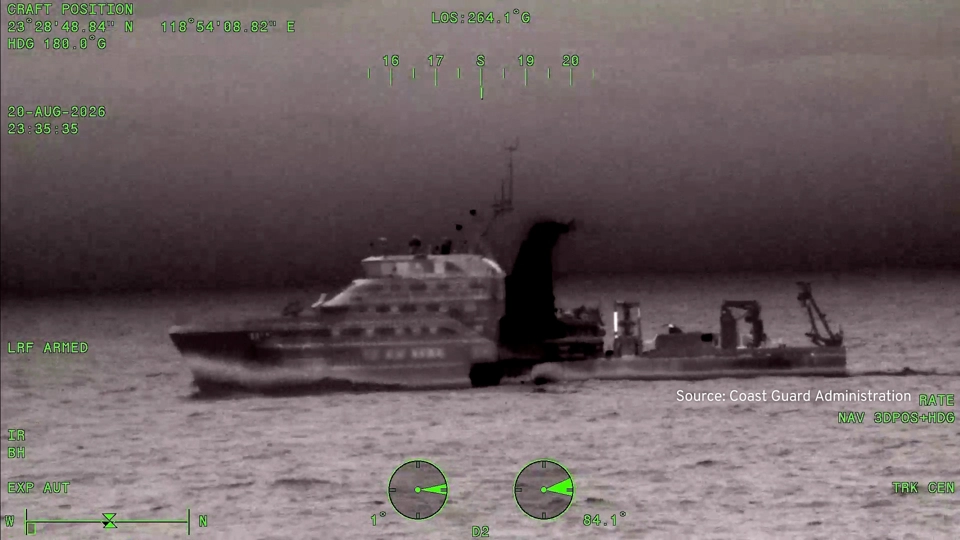 00:35
00:35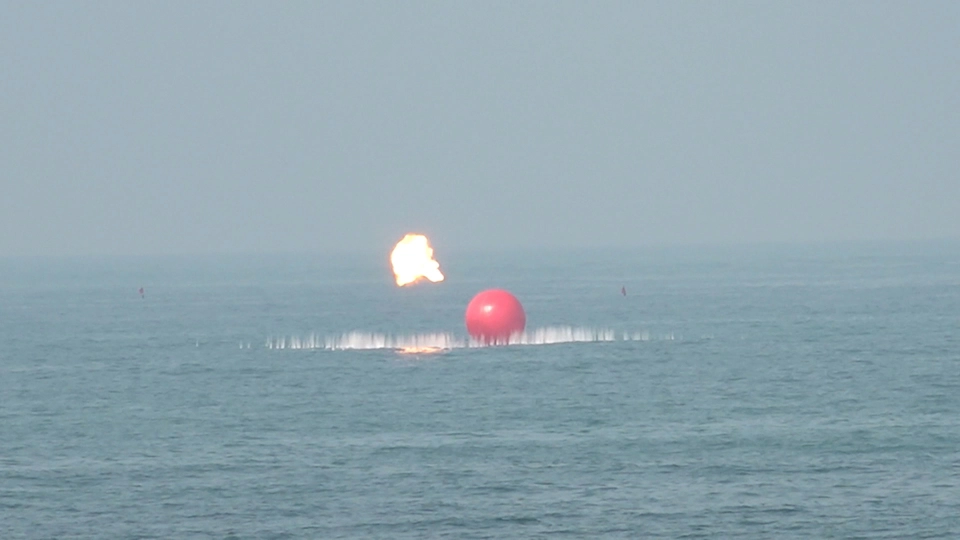 03:03
03:03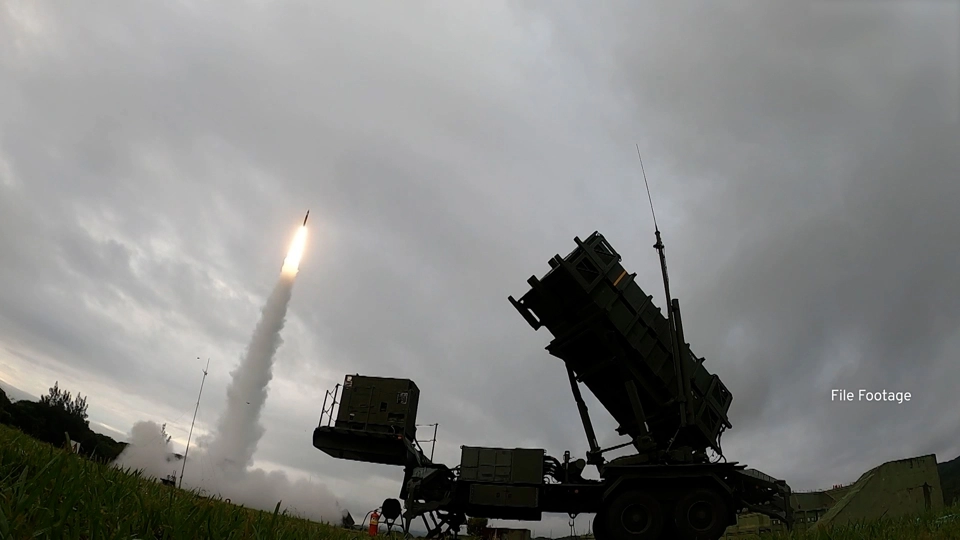 02:56
02:56 00:27
00:27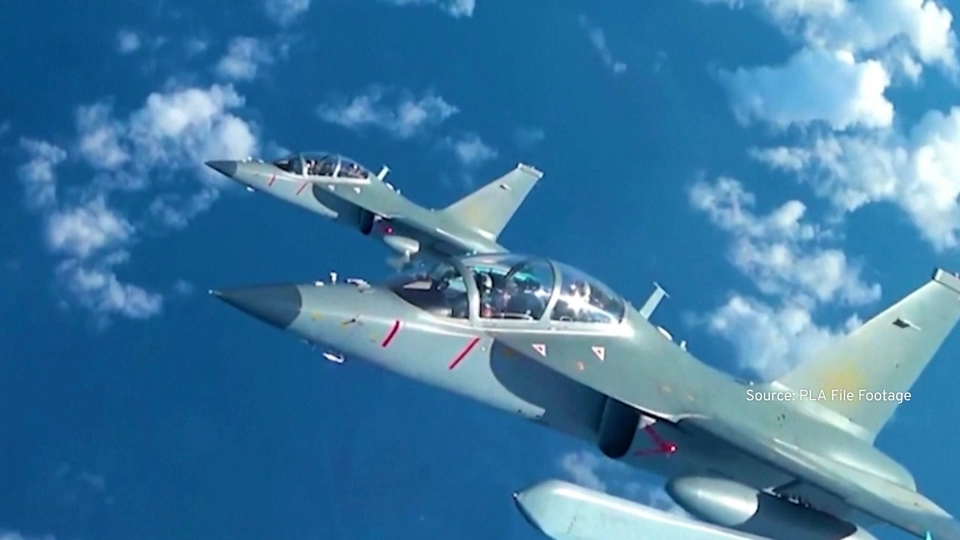 00:26
00:26 00:33
00:33 03:21
03:21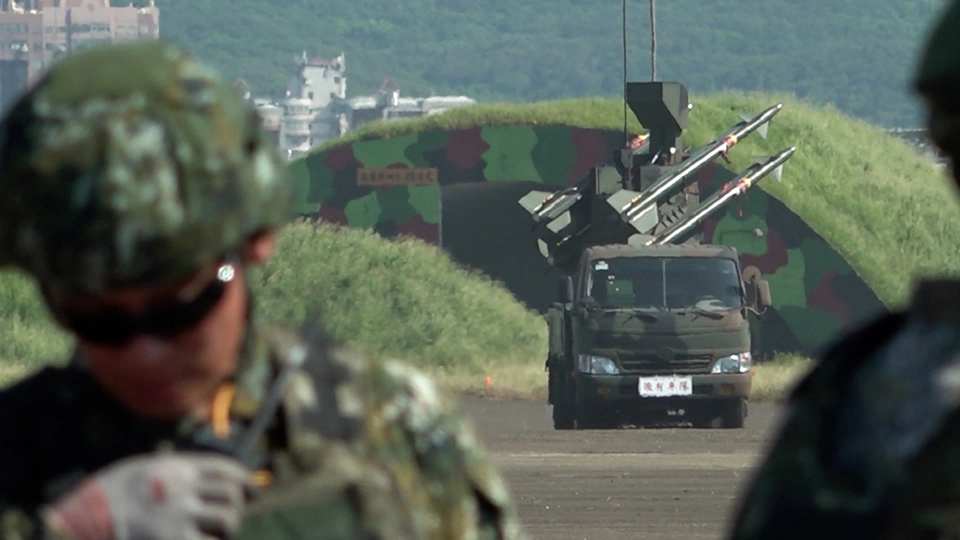 03:19
03:19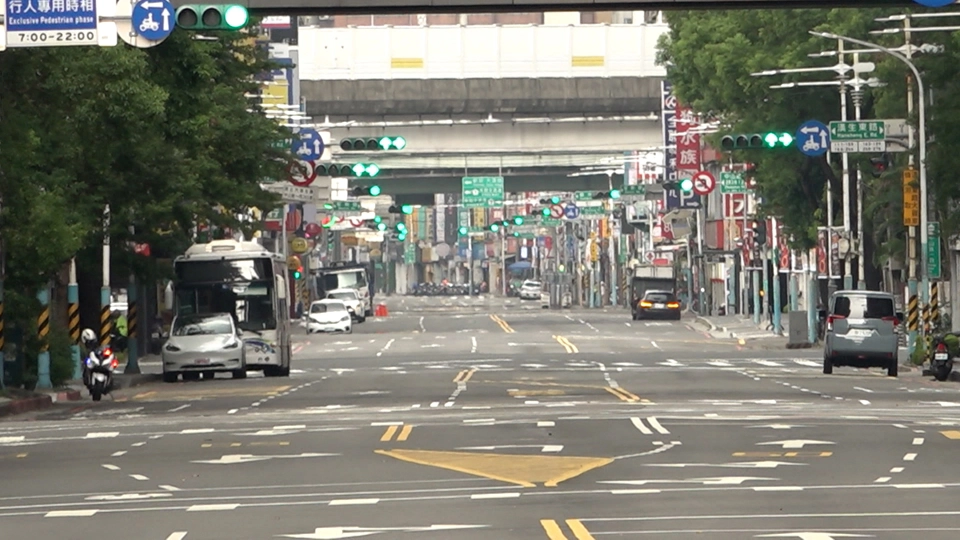 03:23
03:23