This AI-generated summary is based on reporting by TaiwanPlus and verified by newsroom fact checkers. Learn more about our policy here.
Indonesian Nickel Workers Bring Safety and Environmental Concerns to Taiwan
Johan Sappara, a 39-year-old worker at Morowali Industrial Park in Central Sulawesi, Indonesia, has spent the last four years at the country’s largest nickel-processing site — a sector now critical to the global push for electric vehicles and green energy.
But the job comes with a cost. Exposure to harmful pollutants and extreme heat is part of daily life. Over time, Sappara says he’s witnessed hundreds of colleagues fall ill. One deadly accident even occurred at his own workplace, the Indonesian subsidiary of Taiwan-based Walsin Lihwa.
“This is an upscale company,” Sappara said during a recent visit to Walsin Lihwa’s headquarters in Taipei. “So it should also have top-grade safety measures, including a more advanced public safety setup.”
Sappara is one of several Indonesian labor and environmental advocates visiting Taiwan to raise awareness of the conditions in their country’s nickel industry. Their message: the rapid growth in nickel demand cannot come at the expense of human lives or the environment.
Walsin Lihwa responded by reaffirming its commitment to corporate sustainability and said it had identified inconsistencies in NGO reports about its operations.
Indonesia holds the world’s largest nickel reserves, and by 2030, industrial parks there are projected to account for more than 60% of global nickel production. Many of these facilities are located in ecologically sensitive regions, home to some of the planet’s richest biodiversity.
“If we want to transition to green energy, it’s useless if the supply chain is created at the cost of hurting human rights and biodiversity,” said Adlun Fiqri Sigoro, founder of the Indonesian NGO Fakawele.
While in Taiwan, the delegation met with officials from Taiwan’s economy ministry and representatives from Taiwanese companies involved in nickel processing. The advocates urged them to adopt higher labor and environmental standards.
Chu Wen-ling of the ministry’s Department of Investment Promotion said the government is taking the concerns seriously but noted that companies need time to adapt.
“Right now, we need to consider companies’ ability to adapt and changes in the international supply chain,” she said. “They need some time to adjust. We are currently encouraging them to submit sustainability reports and move towards implementation.”
Taiwanese firms are a minority in Indonesia’s nickel sector, which is largely driven by Chinese investments. Still, advocates believe that improved standards from Taiwanese companies and stricter oversight from foreign investment agencies could help raise the bar for the entire industry.
European investors have already pulled out of some projects after reviewing environmental concerns.
“We hope that international investment [does] not rely on the low standard of the [Indonesian] regulation on protection of worker safety and health problems,” said Pius Ginting, coordinator of Action for Ecology & People’s Emancipation (AEER).
With nickel demand continuing to surge, these advocates say their work is far from over — and they will keep fighting for the health, safety, and rights of their communities.
 04:45
04:45 01:34
01:34 06:12
06:12 00:42
00:42 03:22
03:22 04:27
04:27 01:48
01:48 04:16
04:16 00:43
00:43 00:29
00:29 04:21
04:21 00:46
00:46 01:19
01:19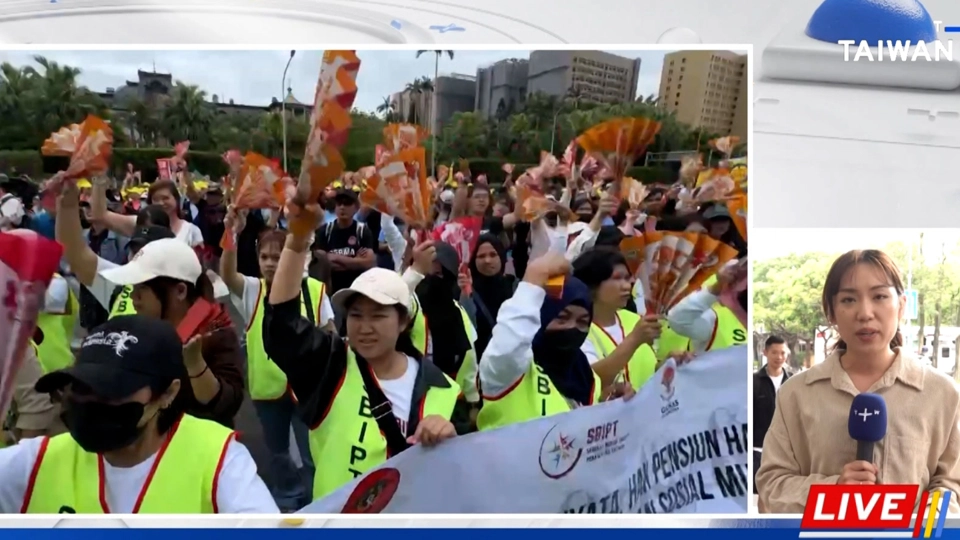 04:52
04:52 04:16
04:16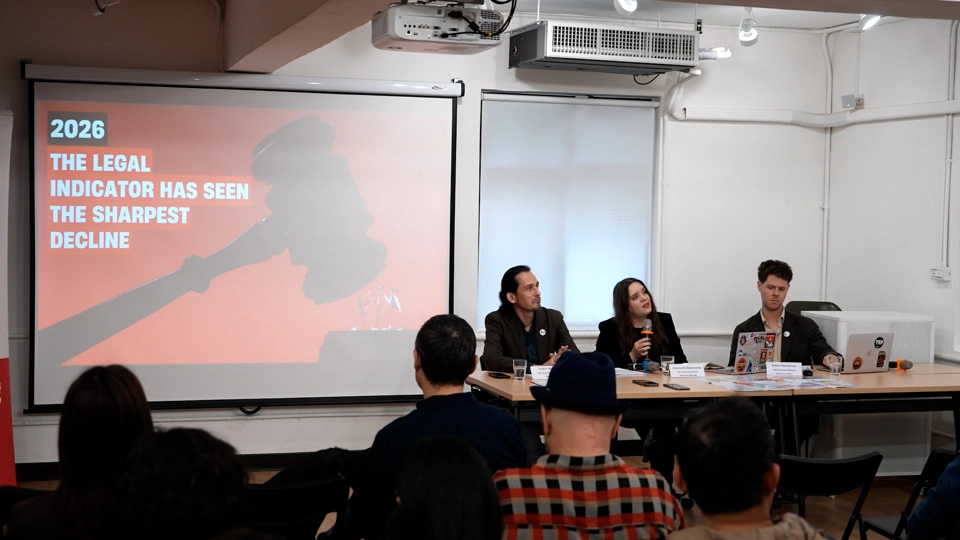 01:12
01:12