White Terror Memories in Taiwan: Scarred by the Past, Hoping for Healing
REPORTER:
This reenactment in front of Chiang Kai-shek Memorial Hall recalls the plight of Pan Ying-hsueh during the long period of martial law in Taiwan and the bloody crackdown on dissent now called the White Terror. She was imprisoned and her father was executed by a government led by the man honored by this memorial.
Today, Pan's surviving brother says her experiences left deep scars.
Pan Hsin-hsing (VICTIMS’ FAMILY MEMBER):
I hadn’t seen my sister for decades.
When she walked in, I was shocked
to see her face smeared with black paint.
My sister said, “Brother, don’t be scared, I’m your sister!”
“Don’t worry, I’ve changed my appearance”
“so they don’t know who I am.”
I’d known that she had some mental issues
but I thought it wasn’t a big deal.
Little did I know, she’d gone mad!
REPORTER:
History can be forgiven, not forgotten.
May 19th marks 77 years since martial law was declared in Taiwan. In the end it would last 38 years, a period of repression that led to the deaths, imprisonment and persecution of tens of thousands of people by the Nationalist Kuomintang government under Chiang Kai-shek, who died in 1975.
Today victims of the White Terror and their families have come to pay their respects and tell their stories.
Nearby in New Taipei is National Human Rights Museum, a former prison where political dissidents were held. Here, a minute of silence is observed and the names of victims of political violence are read out.
Voyu Tosku’s father was the first Indigenous Tsou doctor trained in western medicine. He was framed for corruption. He was sentenced to 17 years and spent four years behind bars.
Voyu Tosku (SON OF POLITCAL PRISONER):
In the beginning, I had no idea who to turn to.
There was very little information about my father.
Almost no Tsou people under the age of 50
know who my father was.
I’m grateful to the people of Taiwan that, after 60 or 70 years
we’re finally able to openly discuss my father’s case.
I remain optimistic about Taiwan.
REPORTER:
The Kuomintang government finally lifted martial law in 1987 – and Taiwan would become a democracy in the years that followed. Still, nearly 39 years on, the period continues to weigh on politics to this day.
This year, Taiwan’s culture minister urged the country to move beyond political division in its pursuit of justice.
Li Yuan (CULTURE MINISTER):
Today, legislation on transitional justice
still cannot reach consensus in the legislature.
That’s because people still struggle to confront
what we see as historical injustice.
Only by truly facing the truth of the past
can we begin to genuinely understand one another.
REPORTER:
The culture minister has personal ties to the violence. His uncle was among those who were executed during that time.
Li Yuan (CULTURE MINISTER):
My family never really dares to touch upon
the fact that we have a White Terror victim in our family.
It took more than 70 years before I finally
retrieved my uncle’s final words
and found his grave.
REPORTER:
The minister and groups here would like to see Chiang Kai-shek Memorial Hall, a place linked to Taiwan’s authoritarian past, turned into a venue for education on human rights. They hope its walls will carry these memories forward into a freer future—one where the scars of history, now 77 years old, can finally heal.
 00:42
00:42 04:45
04:45 01:34
01:34 06:12
06:12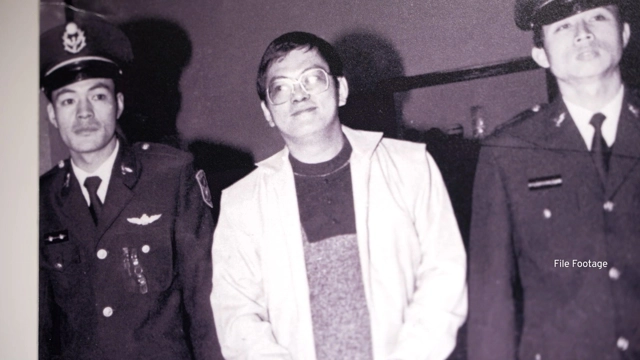 00:42
00:42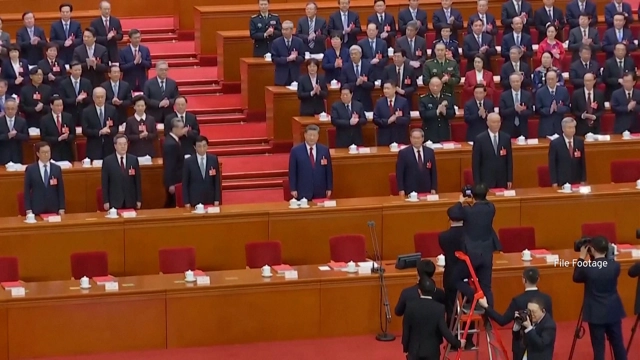 03:22
03:22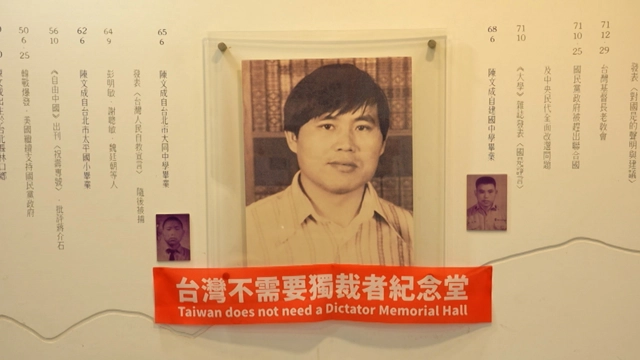 04:27
04:27 01:48
01:48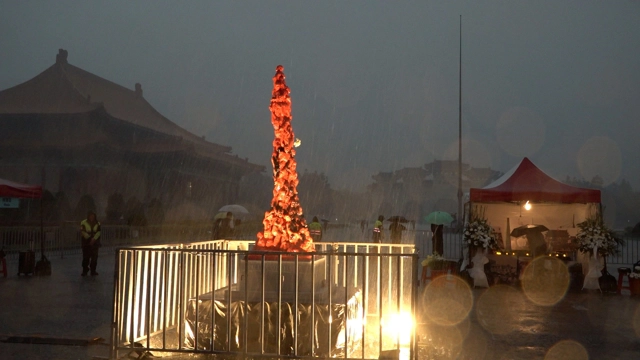 04:16
04:16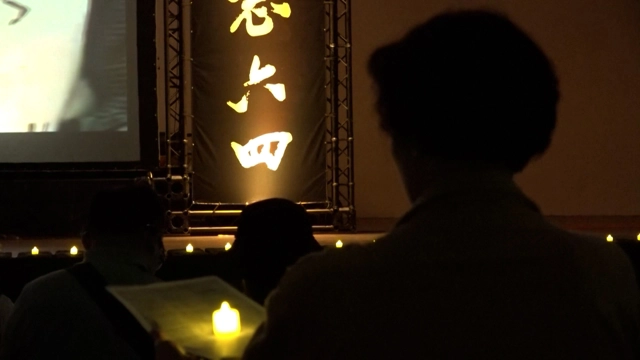 00:43
00:43 00:29
00:29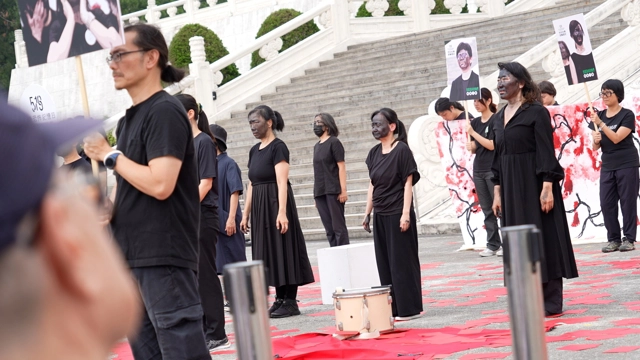 04:21
04:21 00:46
00:46 01:19
01:19 04:52
04:52 04:16
04:16