China’s Transnational Repression
REPORTER:
Experts from around the world are gathering in Taipei for a There’s been a lot of concerns regarding the Beijing's new Law on Promoting Ethnic Unity and Progress, what risks does this pose to Taiwanese people in particular?
Laura Harth (SAFEGUARD DEFENDERS):
So I think the ethnic unity law specifically does not really add anything substantively new in the sense that obviously there's the clause that opens up to further transnational repression, you know, anyone abroad that undermines ethnic unity or that would promote separatism would be liable under the law. However, those were things we've already seen, right under national security laws.
What I would say is that it's yet another escalation that shows us what the CCP's intent is. And I think when we add it all up, so all the opinions that have come out, the laws that have come out, but also the activities the CCP has been engaging in, um, increasingly against Taiwanese nationals. Um, I fear it shows us that this is a new front that people should kind of prepare for
REPORTER:
How has your own experience being targeted by AI generated content molded some of your perceptions towards the threats that individuals face when speaking out against Beijing?
Laura Harth (SAFEGUARD DEFENDERS):
This has been happening for a couple of years now against our organization, against myself, but also other members of our staff, as it obviously happens against, you know, basically every single dissident or activist or perceived critic that's out there, right? So it's not an isolated thing. for me personally, when, you know, in dealing with TNR cases all the time and seeing this happen, obviously knowing and understanding where it comes from, who's likely behind it or what the ecosystem is behind it, um, puts it into perspective.
This is kind of first step. It's happening to a lot of people. Um, let's show it. We have nothing to be ashamed of. This is really on them. Um, but it does depend from individual to individual.
REPORTER:
You're a part of the Inter-Parliamentary Alliance on China. How can Western governments coordinate with decision makers here in Taiwan on how to push back against Beijing's repression?
Laura Harth (SAFEGUARD DEFENDERS):
I think the single most important thing Western governments can do, um. Is, meaningful engagement and participation, right? And it's a bit of a mouthful, but it does actually mean something because obviously the thing the CCP hates most is for Taiwan to have an equal seat at the table. It's for Taiwanese voices to be heard, be it government voices or civil society voices to be heard in Parliament, to be heard in the news, to be present as a part of this global society, and to be able to voice their concerns and share their insights, because obviously the knowledge that's here about how the CCP operates is very important to all of us. And so I think the primary message to, to Western governments is, make sure you step up to defend Taiwan and that you send that message to Beijing that you will do that. But second, to ensure that they are a part of the conversation and that they are in the room and, you know, not hidden in the back, but that they are visibly in front of the room. I think that's the single most effective or direct means to counter the CCP's efforts to, to censor silence and just kind of hide Taiwan from, from conversation.
 00:50
00:50 00:44
00:44 00:39
00:39 00:52
00:52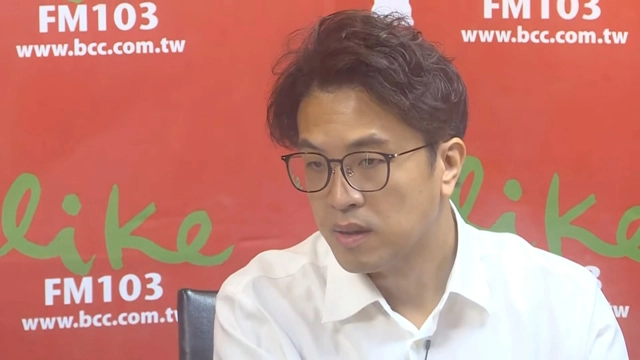 00:35
00:35 02:40
02:40 00:45
00:45 00:32
00:32 00:41
00:41 02:27
02:27 01:26
01:26 00:37
00:37 02:25
02:25 03:16
03:16 00:52
00:52 00:51
00:51