This AI-generated summary is based on reporting by TaiwanPlus and verified by newsroom fact checkers. Learn more about our policy here.
Taiwan Marks 78 Years Since 228 Incident, Families Still Seek Justice
With solemn bows and lingering grief, families gathered this week to mark the 78th anniversary of the 228 Incident — a violent political crackdown that began on February 28, 1947, under the Chinese Nationalist — or Kuomintang (KMT) — government. The crackdown led to the deaths of an estimated 20,000 people and spurred decades of authoritarian rule in Taiwan.
During a memorial at the National 228 Memorial Museum, President Lai Ching-te addressed victims’ families for the first time since taking office. He acknowledged that the full truth behind the violence remains unresolved.
“There are people in Taiwan’s society saying, ‘Why are there only victims but no perpetrators?’ The truth of what happened to the victims is unclear,” Lai said. “In these circumstances, without having a way to comfort the victims and their families, society cannot achieve true reconciliation.”
The 228 Incident marked the beginning of what would become 38 years of martial law — a period known as the White Terror. For much of that time, discussing the incident was banned, and those who spoke about it risked imprisonment. Only in the 1990s, following Taiwan’s transition to democracy, did the government begin publicly recognizing those who had suffered.
Today, February 28 is a national holiday and families come from around the world to commemorate their loved ones. Among them is Megan Huang, 19, who traveled from the United States to honor her great-grandfather, one of the victims.
“We didn’t really know much about the event and the details and the truth of what happened,” she said. “So this whole trip was very eye-opening to learning about family history and learning about what happened.”
Aoyama Keisho, 81, was just three years old when his father, the only known Japanese victim of the 228 Incident, was killed. He now returns to Taiwan each year from Okinawa to pay his respects.
“It was a very sad incident. Nearly 30,000 Taiwanese people lost their lives,” he said. “As a [Japanese born in Taiwan], I would like to mourn together with the families of the Taiwanese victims. Next year, I want to bring my grandson here. I definitely want to pass this on to my grandchildren.”
Yet for many, the legacy of the violence still feels unresolved. No one has ever been held accountable for the atrocities of 228, and the KMT continues to be a prominent political party in Taiwan.
Hsu Ren-yung, whose father was summarily executed by government forces, said he avoided memorials for years while the KMT remained in power.
“The Nationalist government accused him of leading a riot and shot him there and then,” Hsu said. “Before, when it was still the Nationalist government, I didn’t come [to the memorial]. The times have changed. Taiwanese people can be president now. So that’s why I finally came.”
At the memorial museum, the long-buried pain is given space to breathe — a reminder of past injustice and a call to remember, so history does not repeat.
 04:45
04:45 01:34
01:34 06:12
06:12 00:42
00:42 03:22
03:22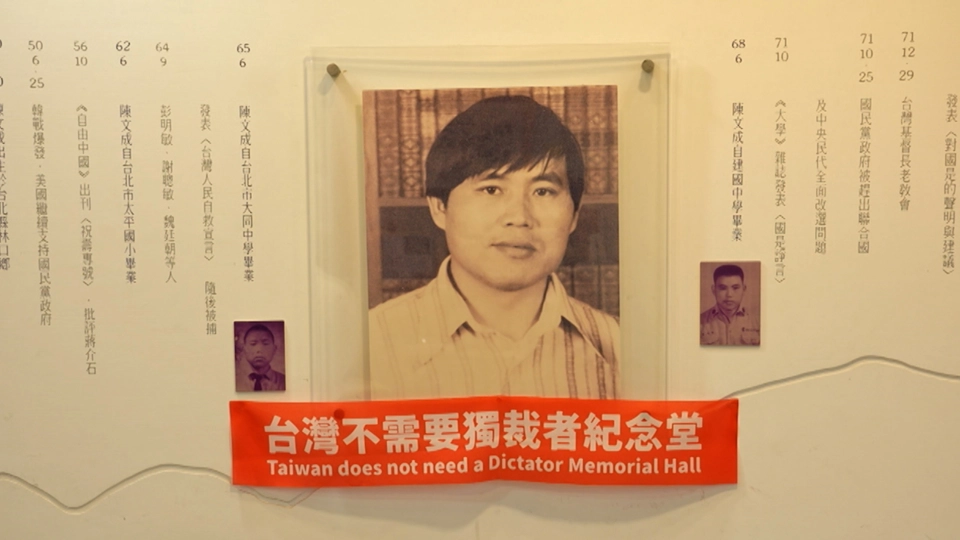 04:27
04:27 01:48
01:48 04:16
04:16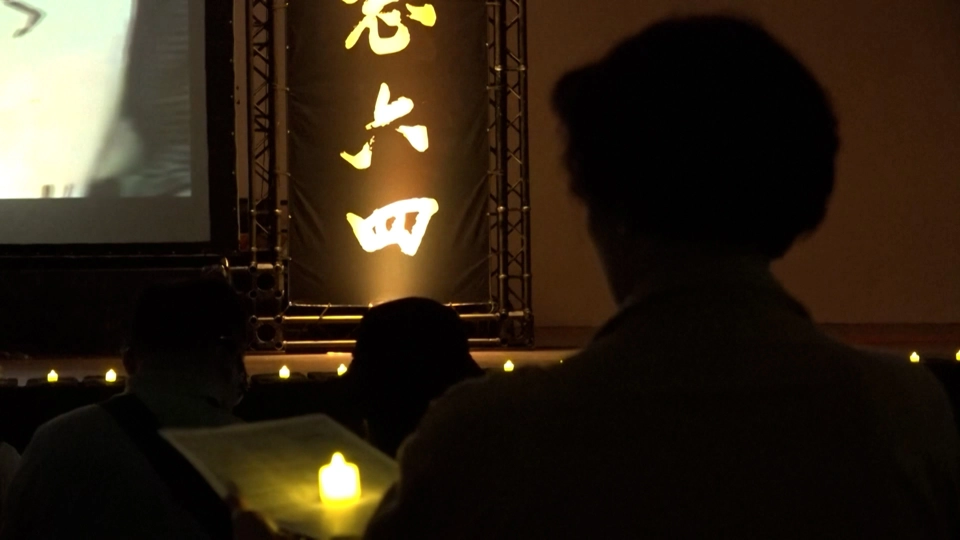 00:43
00:43 00:29
00:29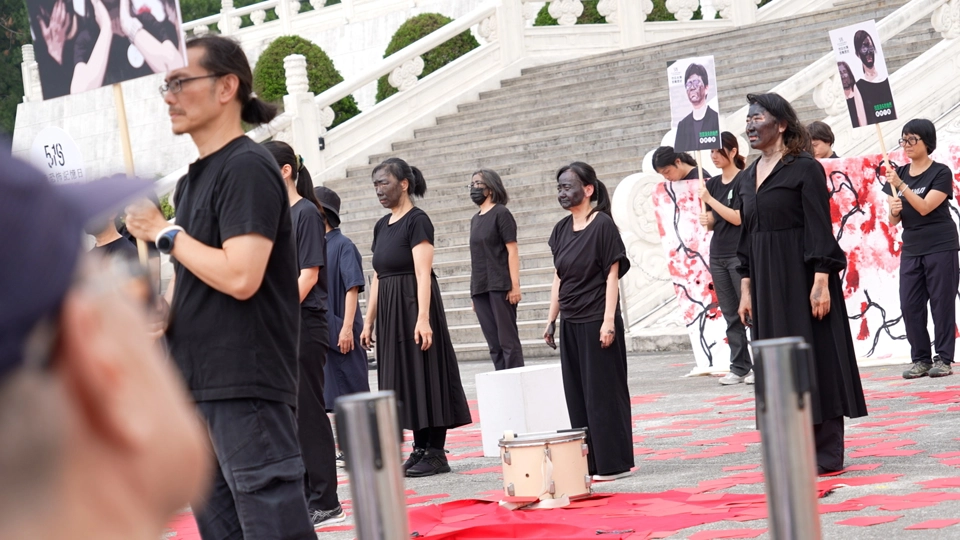 04:21
04:21 00:46
00:46 01:19
01:19 04:52
04:52 04:16
04:16 01:12
01:12