* This AI-generated summary is based on reporting by TaiwanPlus and verified by newsroom fact checkers. Learn more about our policy here.
Taiwan-India Labor Agreement Update
Taiwan is facing a critical labor shortage, particularly in low- and mid-level skilled roles in the manufacturing sector. This shortage has prompted the government to explore solutions to sustain its economy and industrial output.
Labor Agreement With India
To address the workforce gap, Taiwan and India have been in talks to implement a labor agreement. This initiative was formalized in February with the signing of a memorandum of understanding, which set the stage for working-level talks.
The program aims to introduce Indian workers in a phased manner, starting with an initial batch of 1,000 individuals, primarily employed in manufacturing. “We expect that the program will begin in a phased and incremental manner,” said Manharsinh Yadav, director general of the India-Taipei Association. “That means that we will see about 1,000 workers from India in the first batch and we expect these workers to be employed in the manufacturing sector.”
Challenges and Misinformation
The proposed agreement has encountered obstacles, including misinformation. Last year, a news report falsely claimed that 100,000 Indian workers would arrive in Taiwan, leading to protests and an online disinformation campaign attributed to China. Officials clarified that no agreement on such a large number of workers existed, emphasizing the phased nature of the program.
Cultural Integration and Expert Insights
Cultural differences pose another challenge. According to Roger Liu, associate professor at National Sun Yat-sen University, many Taiwanese citizens have limited exposure to Indian communities, which has resulted in biased perceptions shaped by media narratives. “This is a good try to open up for 1,000 Indian migrant workers…so that Taiwanese people can know them more,” Liu explained.
The introduction of Indian workers is seen as an opportunity to strengthen mutual understanding and foster a more inclusive society.
Implementation and Future Outlook
Recruitment for the program will be conducted through verified labor brokers in the interests of fairness and transparency. While the full implementation may take up to a year, the first group of workers is expected to arrive sooner.
This collaboration reflects Taiwan’s strategic approach to addressing its labor shortage while fostering closer ties with India. By welcoming Indian workers, Taiwan aims to sustain its manufacturing sector and drive economic growth.
 02:15
02:15 03:07
03:07 03:25
03:25 03:01
03:01 00:42
00:42 00:30
00:30 02:42
02:42 02:54
02:54 03:24
03:24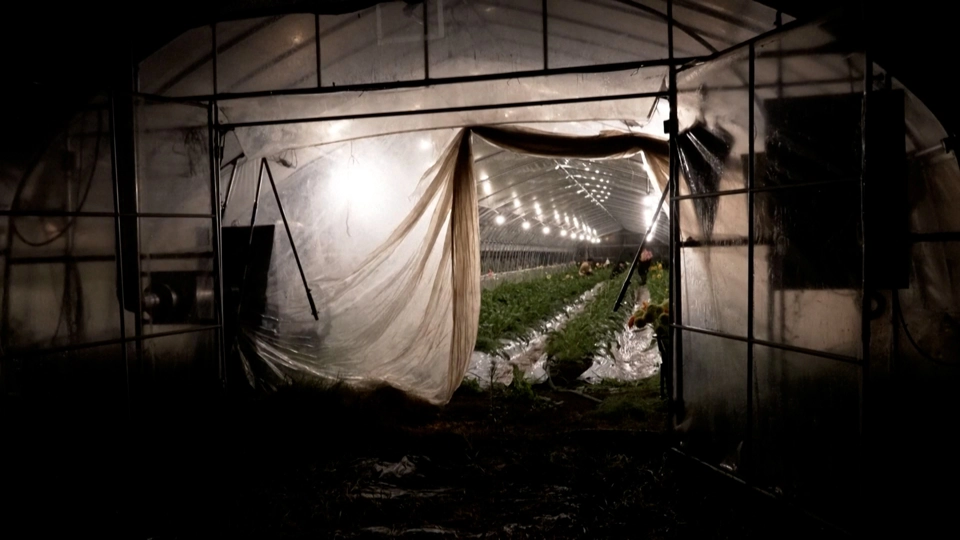 02:06
02:06 00:32
00:32 00:29
00:29 00:30
00:30 03:50
03:50 03:09
03:09 04:36
04:36