Nepal-Tibet Border Disaster: Shellshock and Grief After Glacier Collapse
REPORTER:
Shellshock and grief in Nuwakot, Nepal, where people are still in disbelief about the wall of water and earth that swept through the district Wednesday after a massive section of glacier collapsed.
REPORTER:
In many places, only mud and the remnants of normal life remain. Help can’t come fast enough.
BITE:
I don’t know where to go or where to stay. I am hungry, but I don’t have any food to eat. Everything is finished; we have nothing left.
REPORTER:
And so much is still unknown. The Red Cross says some affected areas are still cut off. On the Nepali side, the confirmed death toll is near 400. Rescue crews continue to search for the more than 900 people still missing—many of them foreign trekkers and pilgrims.
REPORTER:
On the Chinese side of the border, at least three people are dead and over 500 missing. Taiwan is working to confirm the safety of 51 of its citizens known to be in Tibet at the time of the disaster.
REPORTER:
In Nepal, those with missing loved ones gather around mortuaries and hospitals, like here, at the National Trauma Center, desperate for any information.
BITE:
I’m searching for everyone now. It’s hard to distinguish who is a relative and who isn’t because everyone from our village is like family. I came here because I heard that people from our village, including our relatives, may also be among those affected or missing.
REPORTER:
Among those sending help is neighboring India, which counts nearly 300 of its citizens missing in the disaster.
BITE:
As you can see, behind me, there is a C-17 aircraft, which is being prepared. Around 35 tons of relief material are being sent, and the aircraft will take off in some time. It will land in an hour and a half in Kathmandu and then relief materials will be distributed.
REPORTER:
Foreign rescue crews are arriving in the country too. A South Korean team is already on the ground and Taiwan’s government has readied a team for departure.
REPORTER:
As rescuers do their work, Nepali helicopters airlift survivors to safety and drop supplies where needed. Amid all this work, though, the danger is not over. China says a barrier lake formed amid the floods is at high risk of a breach. And scientists say this kind of disaster could happen again.
BITE:
The climate is changing in these areas, it's getting warmer. Warming air temperatures melt ice, melt glaciers. They start receding. Water builds up, water accumulates, and then ultimately dams fail. So this is not unexpected, and it's expected that this sort of or the number of these sort of fails would increase over time, as we see more and more Himalayan glaciers continue to recede.
REPORTER:
As rescue efforts get under way, people of the Nepal-Tibet border zone come to terms with not only a devastated present but also a possibly perilous future.
 03:39
03:39 02:15
02:15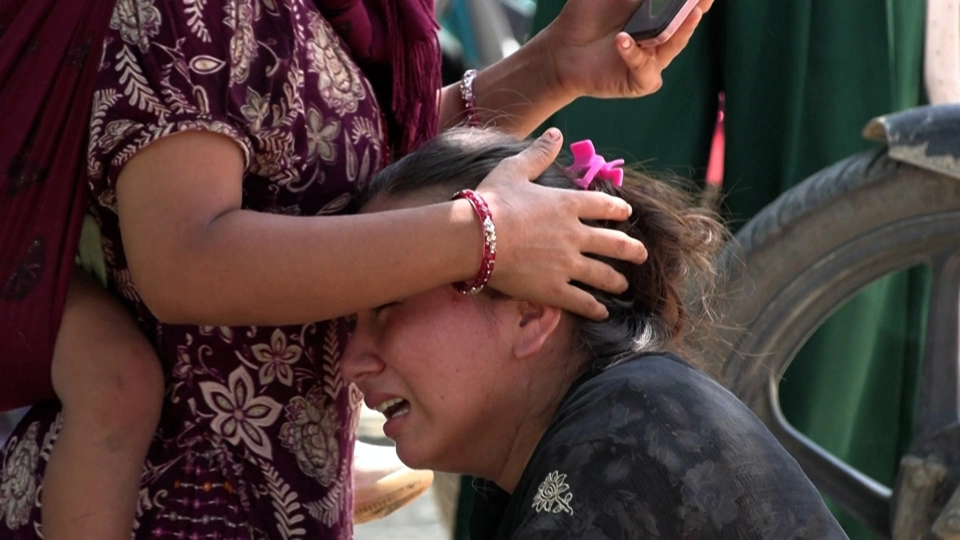 03:07
03:07 03:25
03:25 03:01
03:01 00:42
00:42 00:30
00:30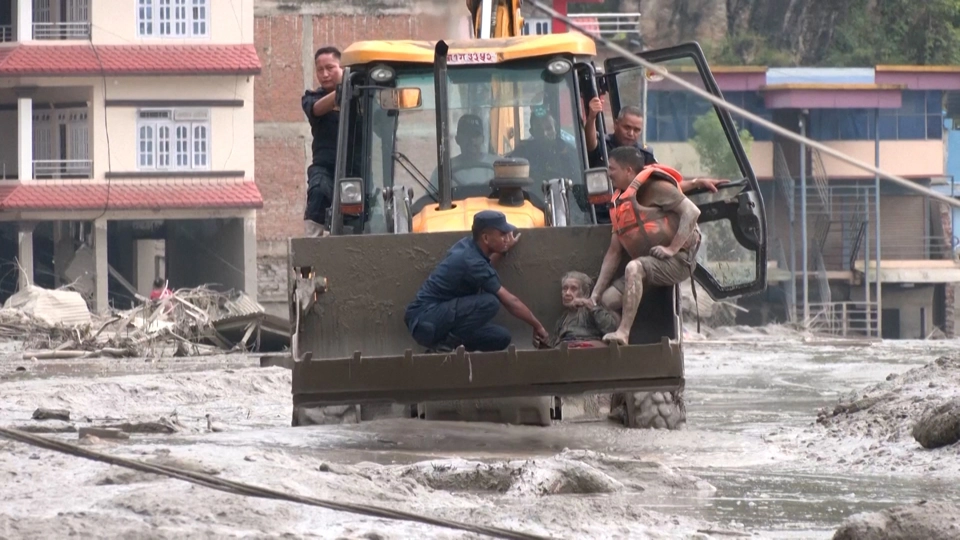 02:42
02:42 02:54
02:54 03:24
03:24 02:06
02:06 00:32
00:32 00:29
00:29 00:30
00:30 03:50
03:50 03:09
03:09