South Korea Exercises Go Ahead As Washington-Seoul Alliance Strained
By Dolphine Chen/John Van Trieste
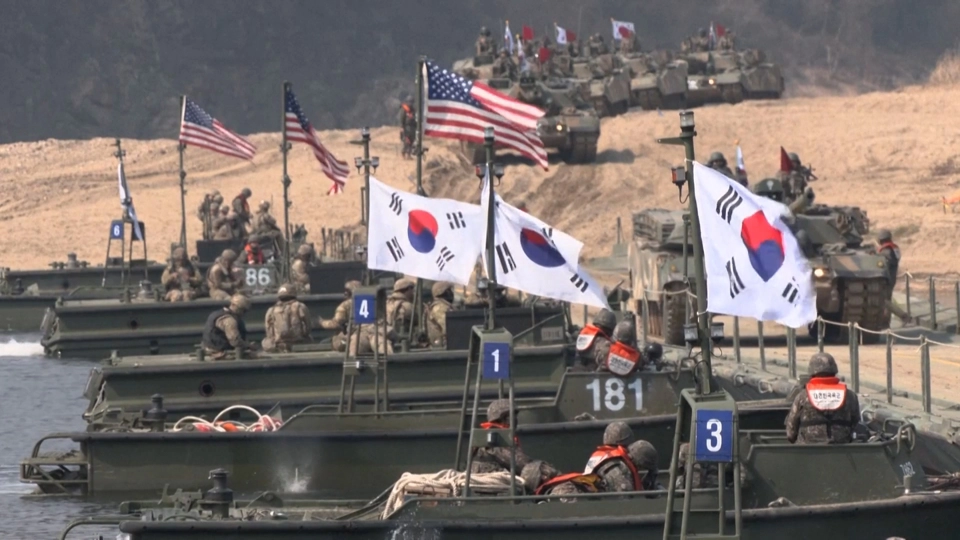
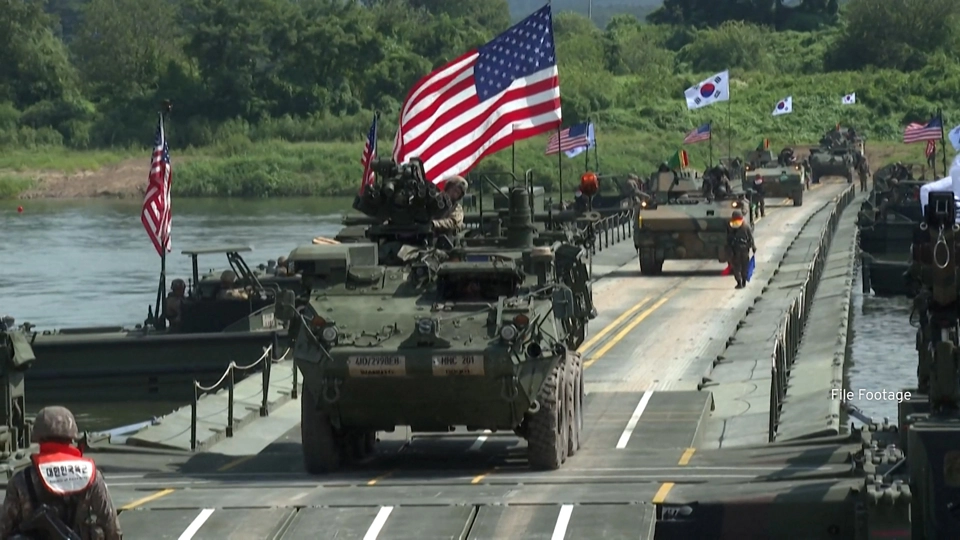
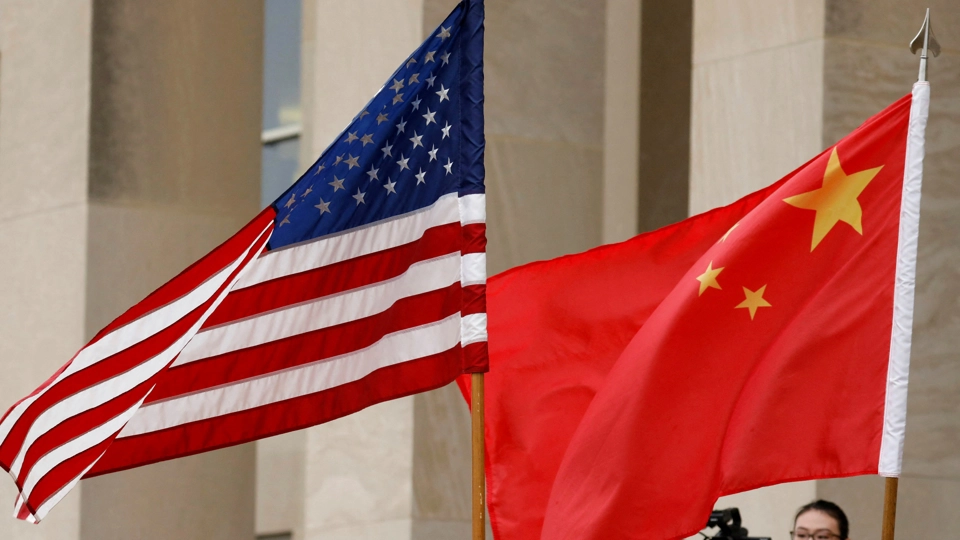
Reduced US-South Korean exercises are going ahead, but there's some unease in Seoul as US President Donald Trump's cutting back of the drills and his recent overtures to North Korea put pressure on an old alliance.
South Korea Civil Defense Drills Highlight Tensions Amid Shifting Alliances
REPORTER:
Masked South Korean soldiers arrest an actor posing as a security risk—part of ongoing regular drills with the US.
REPORTER:
With backup from robots, drones and firefighters, the day is saved—the simulated terror incident at Seoul’s Lotte World Hotel is foiled. The mayor of this district says this kind of civil defense drill is an important complement to the military exercises underway.
Seo Kang-seok (SONGPA DISTRICT MAYOR):
These days, wars don't have clear front lines and rear areas, and such warfare and terrorism can occur in everyday life, as we've seen in the Ukraine crisis.
REPORTER:
But amid this success, there’s uneasiness in the South Korean capital—roughly an hour’s drive from the DMZ.
REPORTER:
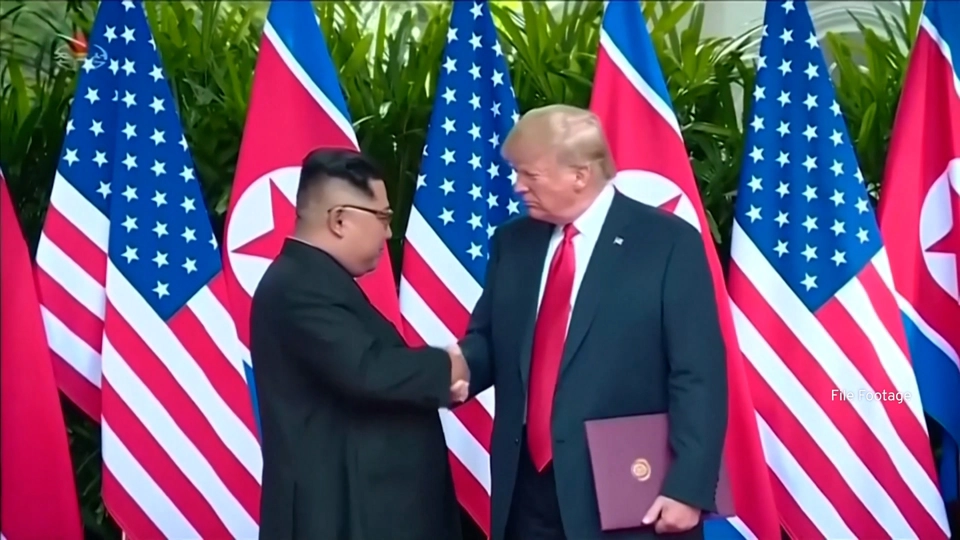
US President Donald Trump is making renewed overtures to North Korean leader Kim Jong Un. And he’s criticized Seoul for not getting involved in the war with Iran and for a slow rate of investment in the US.
REPORTER:
And he’s ordered this year’s joint military drills both cut back and shortened, to the concern of some members of the public.
Park Jung-seo (RESIDENT):
This South Korean-US drill is extremely important and I don't think it should be reduced at this point in time. I believe we need to take this seriously and respond accordingly.
Kim Min-ji (RESIDENT):
If the military drills get scaled back, I'm not sure how North Korea would view that but it does make me somewhat worried that it could pose a threat to our safety.
REPORTER:
In Washington, Trump says his decision, and his push to meet with Kim Jong Un as early as this fall, is good for regional security.
Donald Trump (US PRESIDENT):
I just got along with him very good. We had we had great meetings. We speak. And I think, our nation and I think other nations, frankly, whether it's Japan or South Korea, they are a lot safer if I'm president, if somebody else is president. Now, I didn't like the fact that we're doing these massive military exercises, really against North Korea.
REPORTER:
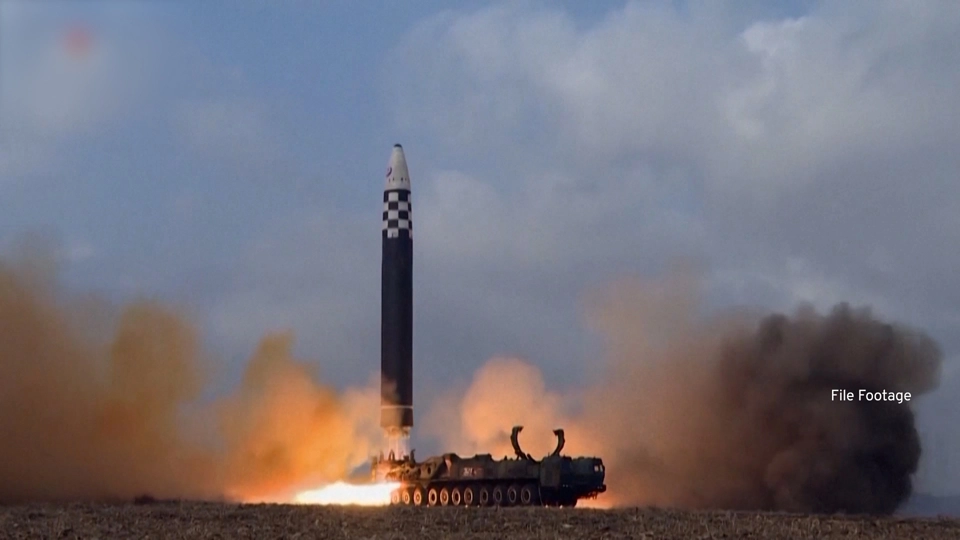
How far Trump’s olive branch will get him is unclear: Kim Jong Un’s sister Kim Yo Jong says the US is still hostile to North Korea—and that Pyongyang sees no point in commenting on the cutback to the joint exercises. She also says she doesn’t know of any communication between her brother and Trump. Still, Trump’s pivot away from a long-time US ally has other regional partners alarmed.
REPORTER:
And it comes just as South Korea welcomes China’s Foreign Minister Wang Yi for the first time since 2021, a further step in a diplomatic thaw between the countries that began at the start of the year.
REPORTER:
Wang’s already met his South Korean counterpart Cho Hyun, who had this to say:
Cho Hyun (SOUTH KOREAN FOREIGN MINISTER):
Our president recently laid out a blueprint for peaceful coexistence on the Korean Peninsula. In accordance with that, South Korea will continue to work toward the denuclearization of the Korean Peninsula and the realization of peace. Based on the mutual interest in peace and stability on the Korean Peninsula, I hope to cooperate with China and have candid and in-depth talks with Minister Wang today.
REPORTER:
South Korea remains a key US ally and is host to large numbers of American military personnel. But, as President Lee Jae Myung said Tuesday, the country is also seeking greater military independence, including an ending to the arrangement that places South Korean troops under US command in a war. And now, the events of the past few days are testing a partnership that’s weathered over 70 years.