Unease Follows Trump's Command To Scale Back Drills With South Korea
By Hank Hsu/John Van Trieste
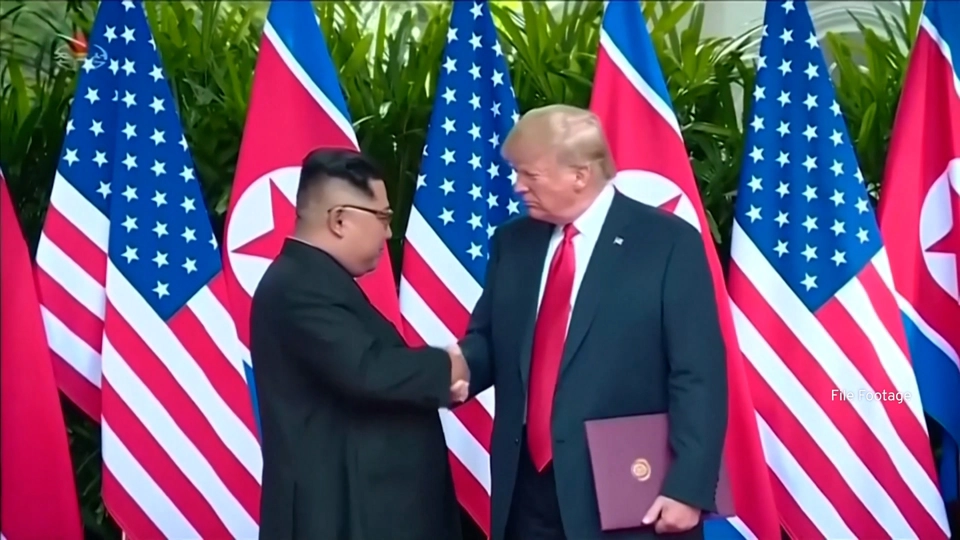
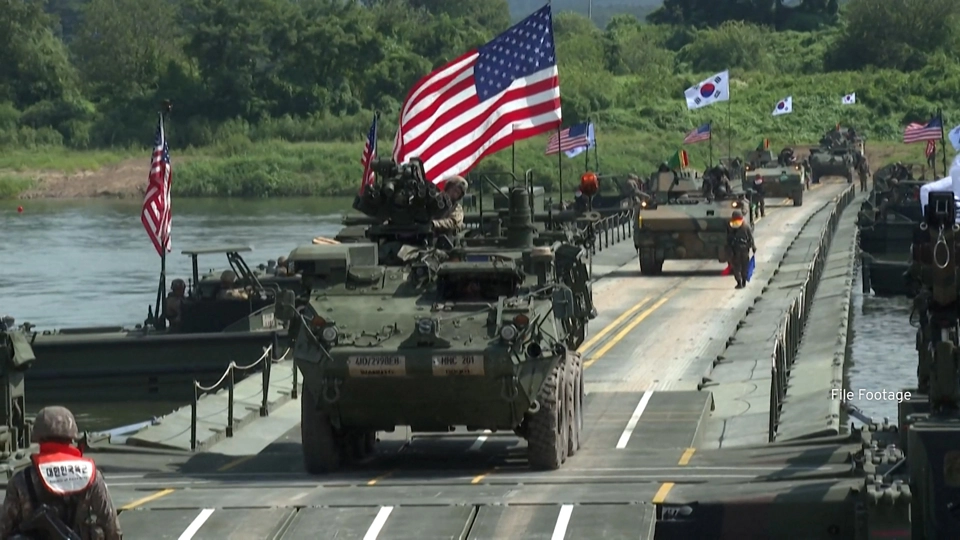
Scheduled joint drills between the US and South Korea will end six days early after US President Donald Trump gave a command to scale back American involvement in an apparent olive branch to North Korean leader Kim Jong Un. South Korea’s president has renewed his stated aim for the country to regain full military independence, while other US allies in the region have expressed unease.
South Korea-US Military Drills and Regional Reactions
REPORTER:
In the South Korean town of Pocheon, residents need little reminder of the joint exercises with the US that take place near here every year on the border with the North. Last year, South Korean fighter jets accidentally dropped bombs in the community. A friendly fire incident that destroyed this church and several houses.
REPORTER:
But news of US President Donald Trump's order to scale back American involvement in the drills as he seeks rapprochement with North Korean leader Kim Jong Un has split opinion.
Choi Hyun-chul (RESIDENT):
It may be Trump's personal decision but since it has been reported in the media, I support it.
Hur Sung-hoi (RESIDENT):
I think that reflects a lack of understanding of North Korea. To be honest, I feel anxious. As a resident of a border area, I feel particularly uneasy.
REPORTER:
South Korea’s military has now confirmed this year’s Ulchi Freedom Shield drills will end on Friday, six days earlier than planned. The US president hasn’t met with Kim during his second term but he still says the two have a good relationship. He says he’s upset with South Korea for not getting involved in the war in Iran and according to some analysts, the slow progress of promised investment in the US. But Trump has also said cutting back on drills that North Korea objects to would actually make the South safer. He even says—though Pyongyang hasn’t confirmed it—that another meeting with Kim is in the pipeline.
REPORTER:
South Korea’s foreign ministry says the country is looking at a possible military contribution to the Middle East situation—if its own defense needs and laws allow.
REPORTER:
And while acknowledging the importance of the US alliance, South Korea’s president has renewed calls for military independence, to end the longstanding arrangement that gives the US control over South Korean troops in the event of war.
Lee Jae Myung (SOUTH KOREAN PRESIDENT):
To this end, we must proceed without disruption, in line with the government’s original plan, to complete the transfer of wartime operational control within my term in office.
REPORTER:
Other US allies in the region are watching anxiously.
Richard Marles (AUSTRALIAN DEFENSE MINISTER):
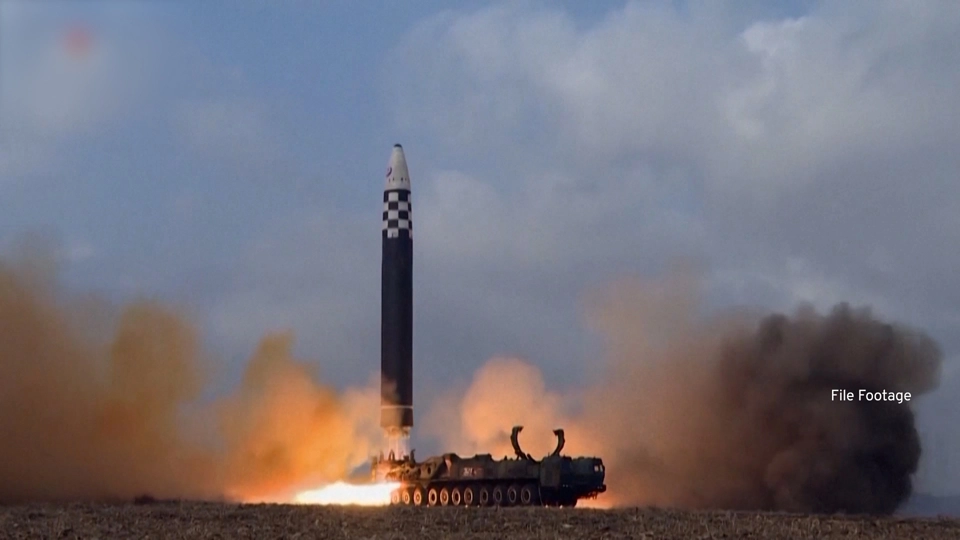
Australia is very concerned about North Korea's nuclear program as well as its missile program, and we have consistently made that point indeed.
Koizumi Shinjiro (JAPANESE DEFENSE MINISTER):
As Japan faces the most severe and complicated security environment in the post-war era, the cooperation among Japan, the United States and South Korea is critical to the peace and stability of the region.
REPORTER:
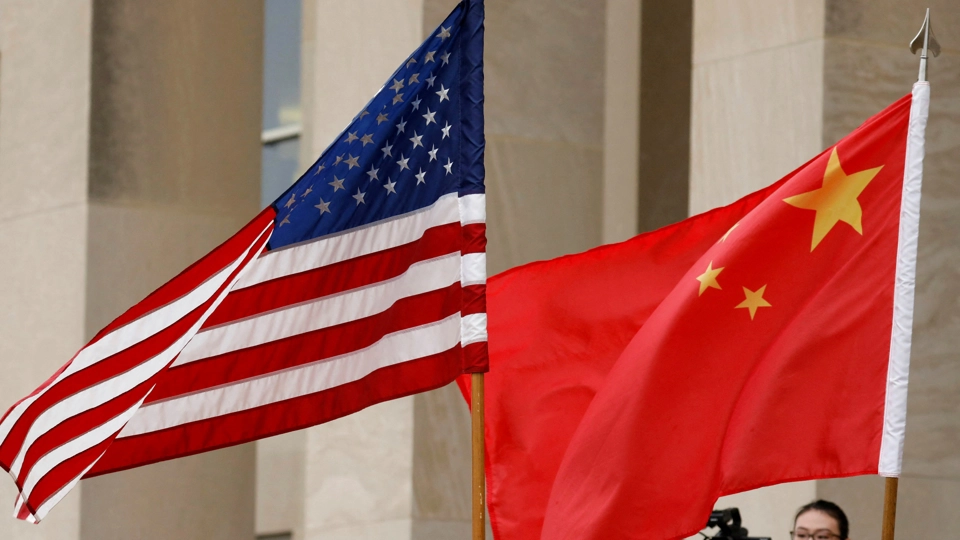
China is also watching. Its foreign ministry says it has—quote--”noted the relevant reports.” That’s just as Chinese Foreign Minister Wang Yi heads to South Korea Wednesday.
REPORTER:
South Korea’s joint chiefs of staff say the exercises started on schedule. Some North Korea watchers are unsure what Trump’s order to pull back will achieve but say they say it does have significance.
Jenny Town (THE STIMSON CENTER):
And it has to be very confusing, it has to be very frustrating for those involved in the exercises themselves that I think really speaks to a lot of larger tensions that are going on in the US-South Korea relationship at the moment.
REPORTER:
A test for an alliance that for decades has considered itself “ironclad.”
Hank Hsu and John Van Trieste for TaiwanPlus.