Korean Railroad to Somewhere
REPORTER:
It's the end of the line. At South Korea's northernmost rail depot, Woljeong-ri, the station building stands empty. What remains of a North Korean train, bombed by UN forces in 1950, points to the events that cut off this line from Seoul to Wonsan on the North Korean coast. But could that be about to change?
REPORTER:
In August, South Korea's Unification Ministry revived plans to restore the tracks on this section of railway, as President Lee Jae Myung looks to send a message of peace. Some in the local community share his hopes.
Kim Sun-hee (GUIDE):
[Restoring the line] is what everyone in Cheorwon is hoping for.
Ahn Seung-hyun (TOURIST):
I think if Woljeong-ri station is restored
it would lead to very smooth relations
between South and North Korea.
REPORTER:
President Lee says he is ready for talks with Pyongyang, without preconditions. But Seoul's overtures come at an awkward time for the South Korean government. US President Donald Trump in August scaled back annual joint military drills. And Pyongyang responded by designating Seoul its most hostile enemy and launching more than 11 ballistic missiles. Under those conditions, a symbolic gesture is among Seoul's few remaining options. But its chances of success are in doubt.
Moon Jae-yong (RESTAURANT OWNER):
It seems like they keep trying
to reconcile with North Korea
but from our point of view
it isn't really practical.
REPORTER:
Woljeong-ri's station building was rebuilt on this spot in 1988, as the original stop was located in what is now the Demilitarized Zone. It was an area that saw one of the heaviest battles at the start of the Korean War. A previous project to restore this railway line in 2015 was abandoned the following year, as North Korea's fourth and fifth nuclear tests and missile launches pushed tensions to a new high.
REPORTER:
Some locals have come to see a repeating pattern in the push-pull of domestic politics – and the on and off warming and souring of relations with the North.
Moon Jae-yong (RESTAURANT OWNER):
When the ruling government changes
it will get turned upside down again.
REPORTER:
For now, Woljeong-ri Station remains a tourist attraction – with Lee's government promoting what it calls "peaceful coexistence” – pushing to get diplomacy back on track.
Alex Chen, Shir Bashi, and Ai Chi for TaiwanPlus
 03:39
03:39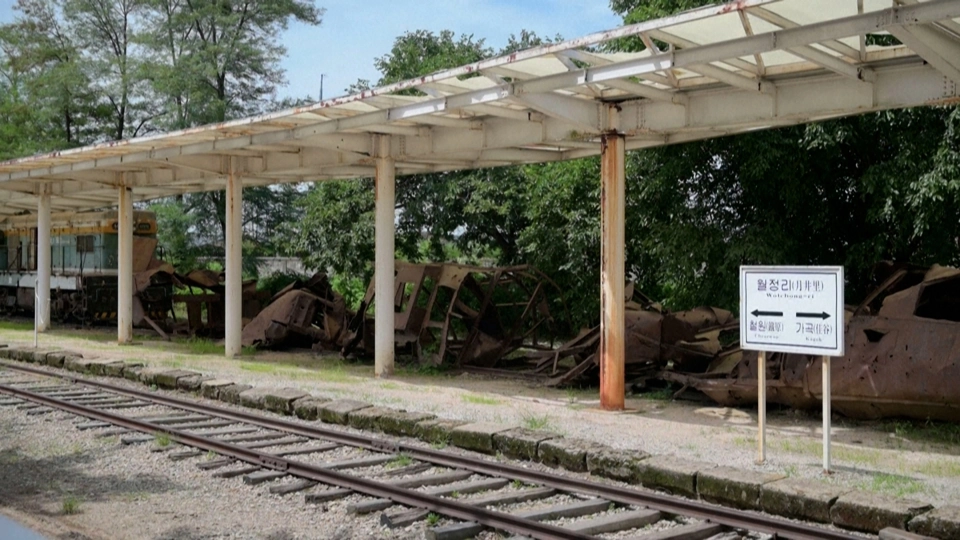 02:15
02:15 03:07
03:07 03:25
03:25 03:01
03:01 00:42
00:42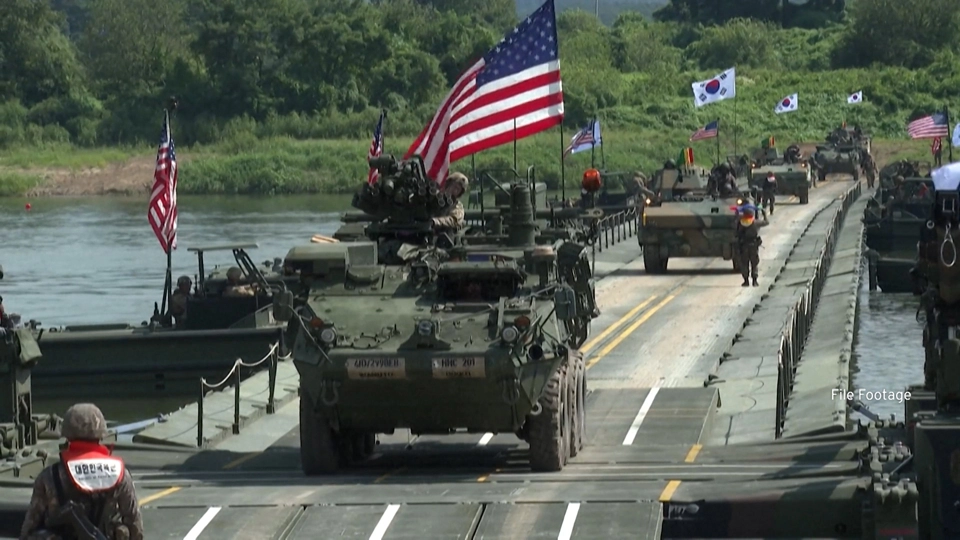 00:30
00:30 02:42
02:42 02:54
02:54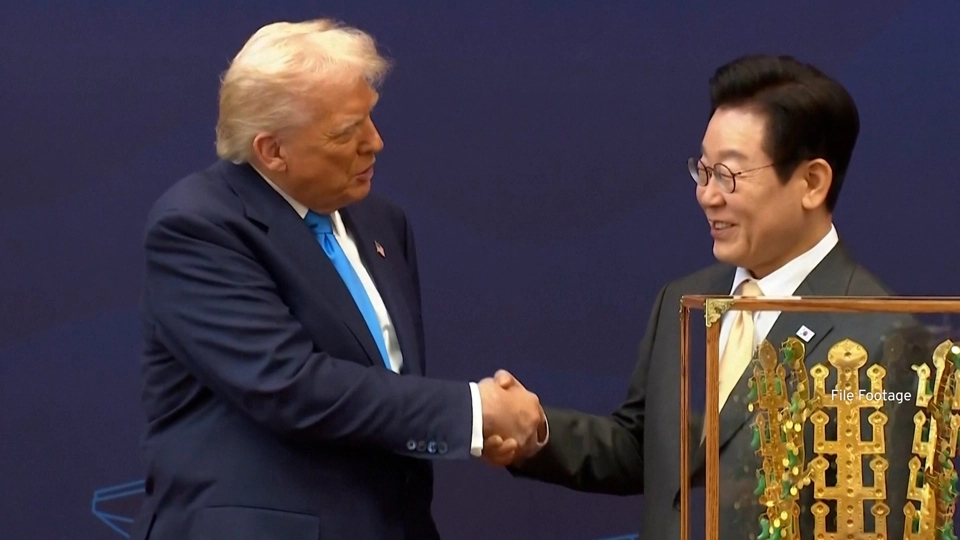 03:24
03:24 02:06
02:06 00:32
00:32 00:29
00:29 00:30
00:30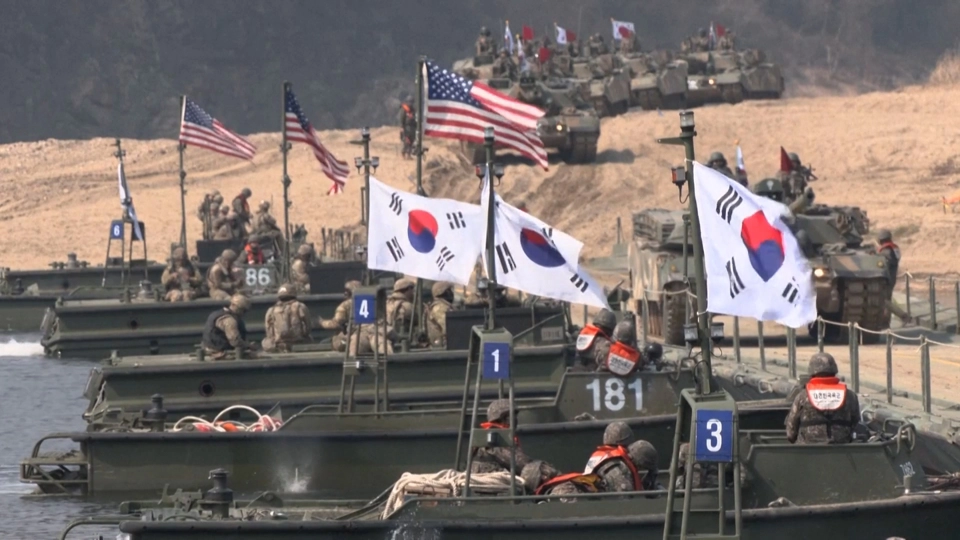 03:50
03:50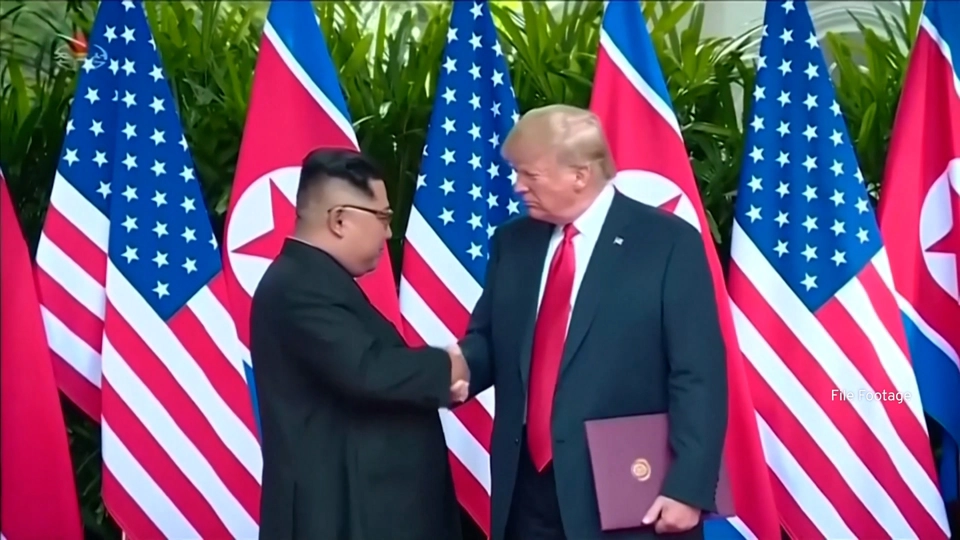 03:09
03:09