IRENE LIN, TAIWANPLUS REPORTER:
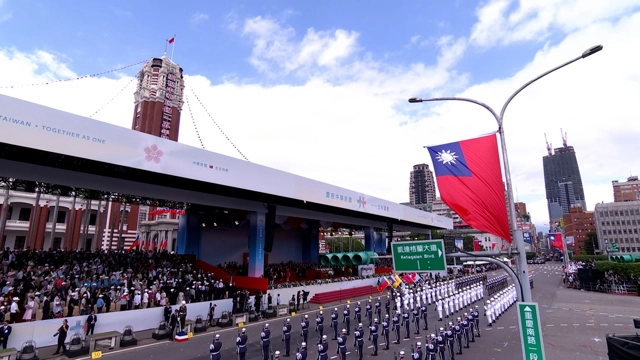
What’s your main impression of President Lai Ching-te's National Day speech?
WANG HUNG-JEN, PROFESSOR, NAT’L CHENG KUNG UNIVERSITY:
Because this is his third time there is a degree of continuity in this year’s National Day address. For example, in his first National Day speech in 2024 the main focus was on Taiwan’s positioning. In the second year, he began outlining a more strategic direction. The most important element that year was the concept of the 'Taiwan Dome' which is about how Taiwan could demonstrate to the international community its determination to defend itself. For the third year, which is this year I think a significant portion of it was directed toward the public to explain not only President Lai's accomplishments but also Taiwan's overall economic growth under the Democratic Progressive Party administration.
IRENE LIN, TAIWANPLUS REPORTER:
A key message from Lai’s speech is that he is committed to boosting Taiwan’s defense. He said it is not meant to provoke conflict, but to deter it. What do you make of this?
WANG HUNG-JEN, PROFESSOR, NAT’L CHENG KUNG UNIVERSITY:
The president previously mentioned four commitments. One of those commitments, of course is that Taiwan will not seek to change the status quo across the Taiwan Strait. That does not mean that we reject exchanges with the other side of the Strait nor does it mean that we refuse dialogue. I think another part of the message was aimed at regional neighbors and the broader international community, including China to make it clear that our actions are driven by an important goal: safeguarding our own survival and security. At the same time, we are not seeking to disrupt or undermine the current state of peace and stability.
IRENE LIN, TAIWANPLUS REPORTER:
In his speech, Lai repeatedly referred to Taiwan as a “city upon a hill.” What does this phrase mean, and what message was he trying to convey by using it?
WANG HUNG-JEN, PROFESSOR, NAT’L CHENG KUNG UNIVERSITY:
I think this wasn’t something specifically mentioned in the previous two speeches and most people in Taiwan may not be familiar with the reference. It’s more closely tied to dialogue with the United States. The phrase “city upon a hill” comes from a traditional American political expression particularly one derived from the Gospel of Matthew in the Bible. It is used to convey the idea that Taiwan like the United States in its early years can become a nation that shines brightly on the world stage. And the way to achieve that success is by recognizing our own values.
IRENE LIN, TAIWANPLUS REPORTER:
Taiwan is heading into local elections in November, and Lai used his speech to call for unity. What message do you think he was sending to voters and the opposition?
WANG HUNG-JEN, PROFESSOR, NAT’L CHENG KUNG UNIVERSITY:
It actually echoes the central theme of the speech. No matter how much we may disagree we should still stand united under the name of Taiwan. I think this is very similar to what Legislative Speaker Han Kuo-yu said in his speech. They both want to bring together the different voices within Taiwan.
 02:30
02:30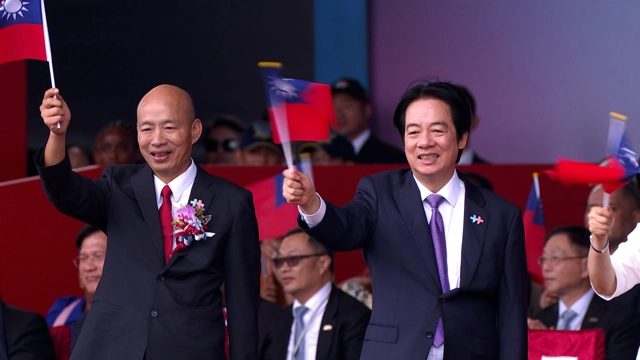 03:16
03:16 00:52
00:52 01:55
01:55 00:37
00:37 02:39
02:39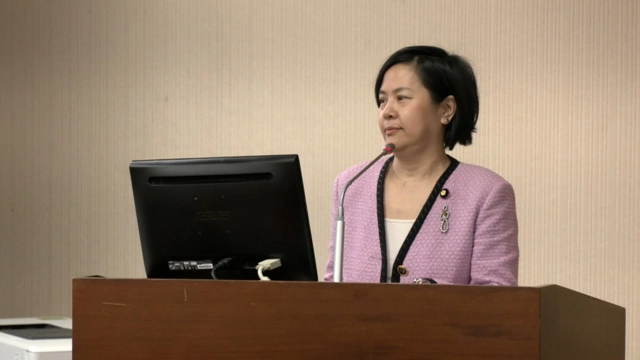 02:25
02:25 00:37
00:37 01:55
01:55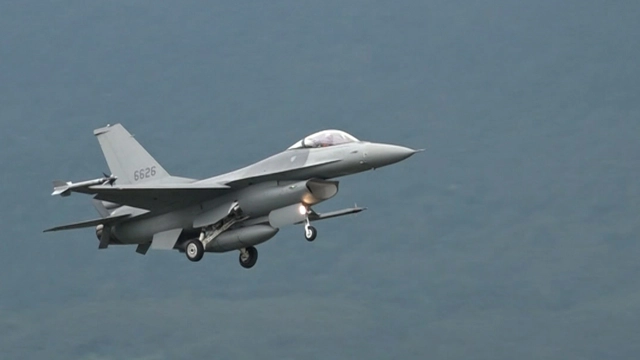 03:08
03:08 00:31
00:31 00:37
00:37 04:13
04:13 01:00
01:00 00:24
00:24 03:35
03:35