This AI-generated summary is based on reporting by TaiwanPlus and verified by newsroom fact checkers. Learn more about our policy here.
Thousands Rally in Taipei on Labor Day, Urging Government to Address Bullying, Overwork and Low Wages
Thousands of workers and labor advocates rallied outside Taiwan’s Presidential Office on Labor Day, demanding stronger protections and reforms, including limits on working hours, higher wages and legal safeguards against workplace bullying.
Organized by dozens of labor unions and NGOs, the protest drew workers from various sectors—including manufacturing, medical care, education and finance—who say Taiwan’s labor laws have not kept pace with the country’s economic growth or social needs.
Among the demands were updates to the Labor Standards Act, as well as more flexible time off, additional public holidays and even a move toward a four-day work week. Taiwan ranked fifth globally for the longest working hours in 2023 among developed countries.
Childcare workers were among those calling for urgent change. Yang Hsiu-yen, board member of the Alliance of Educare Trade Unions, said working conditions in her field have remained difficult for decades.
“It’s been the same for nearly 20 years,” Yang said. “[Childcare workers] work nine or 10 hours straight. If you’re asking people to provide quality care services, it’s very difficult. It’s the kind of work that puts a lot of stress on the body and mind.”
Healthcare workers also voiced concerns over low salaries and the public’s misperceptions about their pay. Ko Hsin-hsuan, chair of the Kaohsiung Medical University Labor Union, said nurses are underpaid despite being vital to the healthcare system.
“I really want people around the country to see we nurses don't have [such high] base salaries,” Ko said. “It’s not like people imagine, that we’re greedy and we already get paid high salaries so why are we complaining? Our average [monthly] pay is between US$900 and US$1,250. You can look it up.”
Workplace bullying has also become a flashpoint for protestors. In recent years, several high-profile cases—including incidents within the labor ministry—have led to worker suicides. Yet Taiwan still lacks legal protections or formal procedures for reporting harassment.
“For many years now, we feel that the government has not really listened to the voices of grassroots workers nor has it listened to the views and ideas of trade unions,” said Tai Kuo-jung, chair of the Taiwan Confederation of Trade Unions. “Even many of the concrete policy measures we have proposed have not been adopted by the government.”
A recent poll found that more than 70% of workers in Taiwan have experienced some form of workplace bullying.
At a Cabinet meeting held the same day, officials from the labor ministry announced plans to draft legislation aimed at tackling the issue. Lin Yu-tang, director-general of the Occupational Safety and Health Administration, outlined the proposal.
“Through introducing anti-workplace bullying legislation, we hope to require companies to pay more attention to the issue and provide workers with channels for filing complaints to better protect their rights and create a friendly workplace,” Lin said.
Protesters also called for legal rights for civil servants, who currently cannot unionize or strike under Taiwan’s labor laws—conditions labor advocates say limit their ability to negotiate for better treatment.
As workers continue to push for reform, labor leaders say the momentum from this year’s rally is only the beginning.
 02:37
02:37 02:57
02:57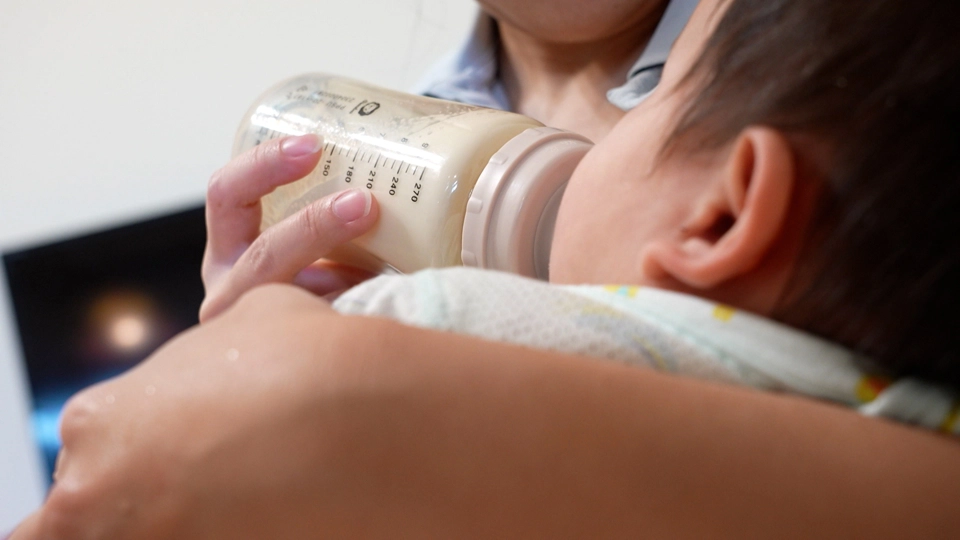 03:57
03:57 00:34
00:34 02:46
02:46 00:30
00:30 03:37
03:37 03:27
03:27 02:37
02:37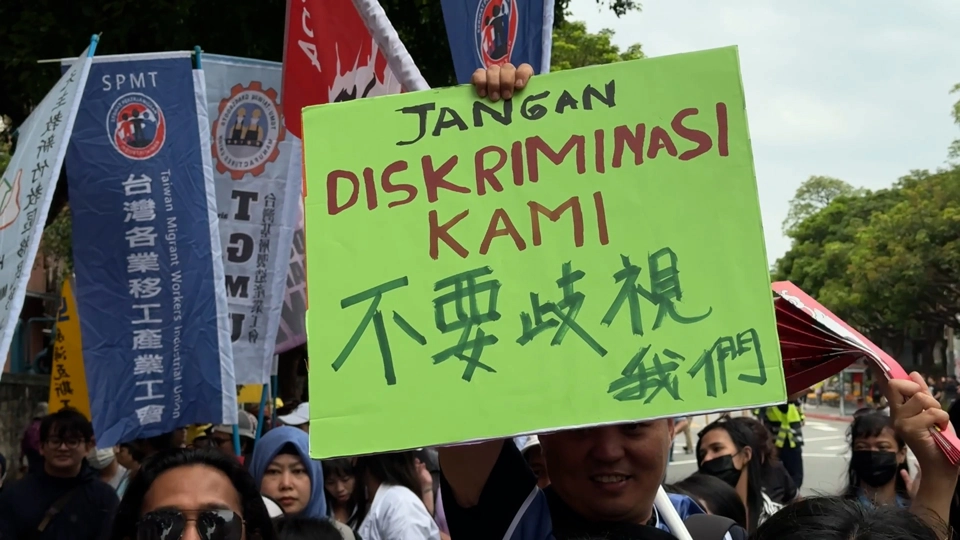 02:32
02:32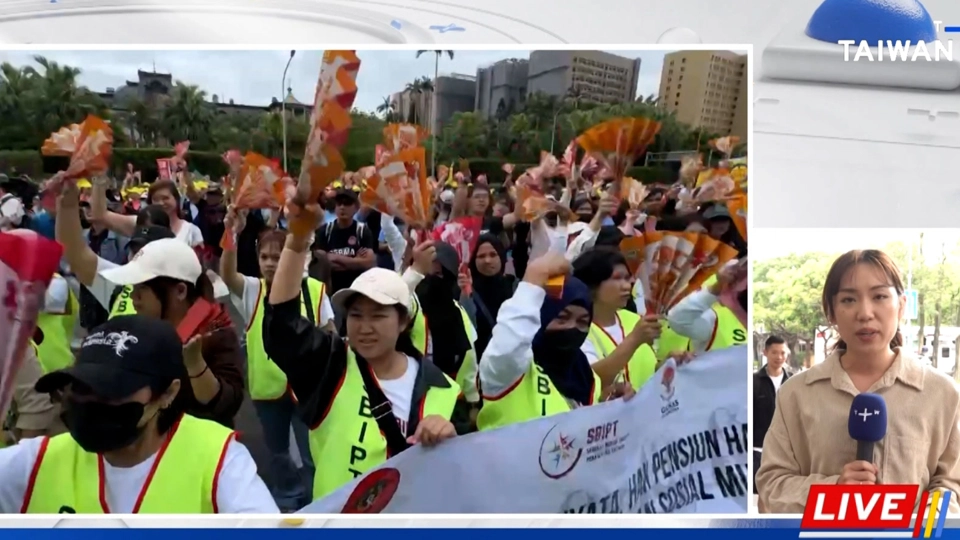 04:52
04:52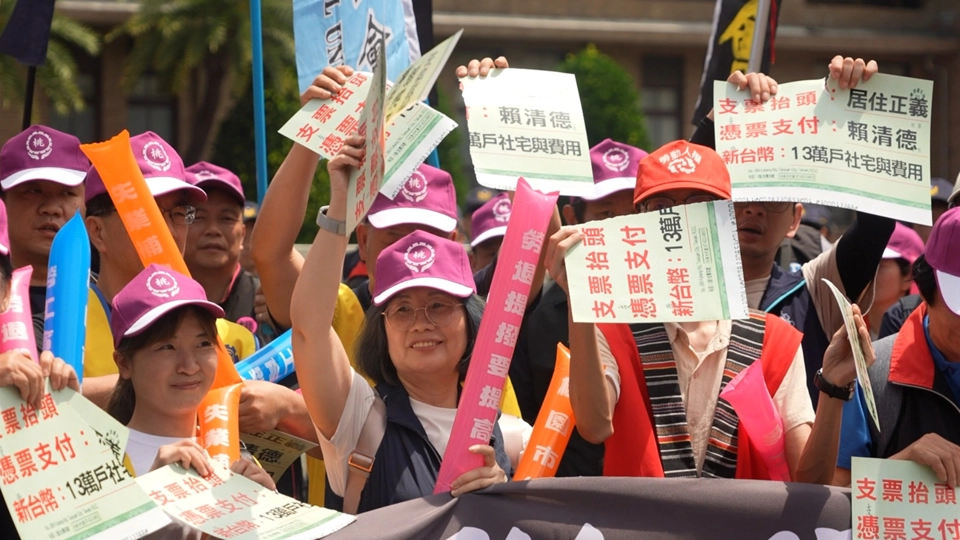 01:39
01:39 02:37
02:37 00:46
00:46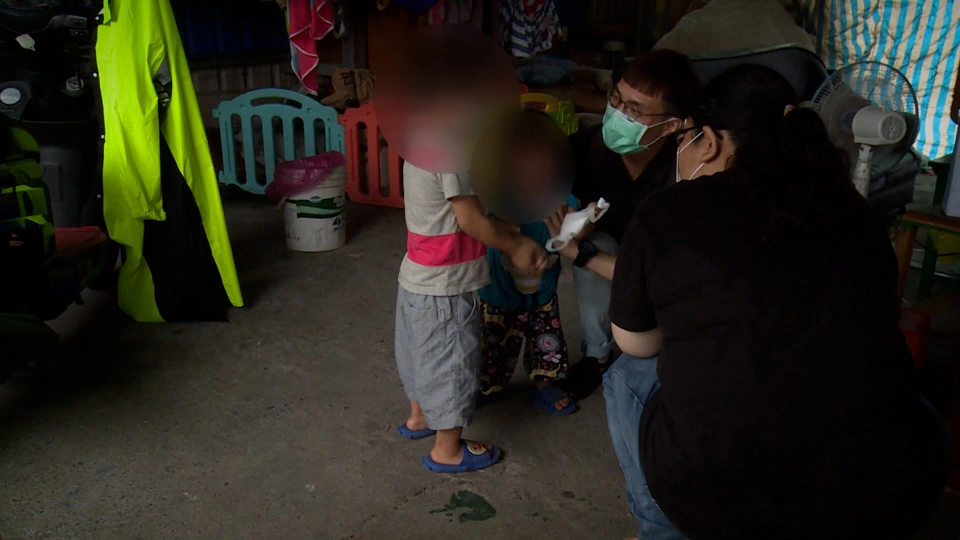 02:28
02:28 03:01
03:01