**Taiwan Launches System to Counter Workplace Bullying**
REPORTER:
Taiwan gets to work in the morning as a new system targeting workplace bullying takes force. It’s an issue people in Taipei’s morning rush agree needs to be addressed.
REPORTER:
Verbal bullying is the most common.
People might yell at you and say
“What are you thinking? Your brain’s no good!”
REPORTER:
I think [bullying] often happens out of sight.
Like, you may have to keep working until the job’s done
or work unreported overtime.
REPORTER:
It would help if interpersonal relationships weren't so cold.
Now, everyone’s just looking out for themselves.
REPORTER:
The labor ministry is confident it has a fix for the problem of abuse in the workplace. There will be guidelines and early intervention. And if bosses have the final say in a company, workers can ask local authorities to weigh in.
REPORTER:
The idea: an impartial hearing based on impartial rules and evidence. And this way big, wealthy companies won’t be able to sweep things under the rug or retaliate.
Lin Yu-tang (DIRECTOR GENERAL, OCCUPATIONAL SAFETY AND HEALTH ADMIN.):
Organizations with more than 100 employees
must have a certain proportion of outside experts
on their case review boards
to make investigations more impartial.
REPORTER:
To count as bullying, a case must happen on the job. It must involve people in the same company. It must involve unreasonable behavior--beyond what’s needed to get work done. And it has to be ongoing and cause mental or physical harm.
REPORTER:
But some job market watchers ask: What’s unreasonable? What causes mental damage, and where is the line between legitimate management and bullying?
Bingo Yang (ASSISTANT PR MANAGER, YES123 JOB BANK):
[Companies] may have expected employees to achieve
a certain level of performance or meet a timetable.
But now it's hard for companies to find where the line is
when it comes to applying pressure
through their tone of communication.
REPORTER:
What if the boss sends a stream of messages after work hours? What if someone’s left out of the office bubble tea order? And what if a worker just feels excluded? Labor groups want concrete examples in order to prevent confusion.
Cheng Chuling (DIRECTOR, TAIWAN OSH LINK):
The definition of what goes beyond what’s reasonable
and necessary for business operations
has some points that are unclear
and could be interpreted differently in practice.
REPORTER:
And what about civil servants? The whole conversation about bullying has come about in part because of a case of suicide in 2024—a civil servant who took their life after alleged bullying. The scandal toppled a labor minister and turned into a court case.
REPORTER:
Only some public employees can use the new system: workers in public schools and hospitals, for instance. For everyone else, it’s a parallel process some say lacks transparency and breeds fear of reprisal.
Hung Jui-hao (COALITION OF TAIWAN CIVIL SERVICE REFORM DRIVERS):
[What should be] our rights are really our supervisors' rights.
They can influence promotions, transfers
and all sorts of goings on within the public sector.
REPORTER:
Something is being done to tackle a real problem. But with the new rules just now coming into force, it’s still too early to tell if the government’s confidence is well-founded or if fears of shortcomings are justified.
 00:52
00:52 04:44
04:44 00:53
00:53 00:28
00:28 05:35
05:35 00:47
00:47 02:37
02:37 02:57
02:57 03:57
03:57 00:34
00:34 02:46
02:46 00:30
00:30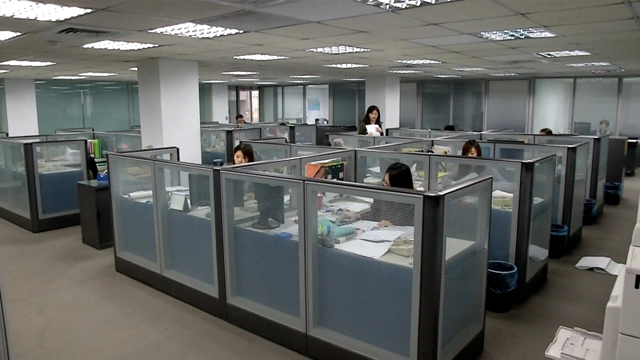 03:37
03:37 03:27
03:27 02:37
02:37 02:32
02:32