Shifting Wage Trends
REPORTER:
New data shows that more than 70 percent of Taiwan’s workers now earn less than the average wage. The figure comes from the first half of 2026 and is an all-time high. Government officials say it is not necessarily a sign of income inequality and is the result of shifts in two key job sectors. Taiwan has been rapidly adding foreign industrial workers, who earn less than the average wage. And, the AI boom has increased the wages of tech workers. Looking at the broader economy, real wages were up for the period, as pay increases outpaced inflation.
---
70% Workers Earn Below Average
REPORTER:
Over 70% of employees earned below the average monthly wage in the first half of 2026. Officials say that percentage, a record high, was driven by faster jobs growth in part-time, and foreign industrial workers than full-time employees. Government officials insist it is a sign of rapid wage growth and not increasing wage inequality. In Taiwan, the average monthly salary is about $1,500 US dollars, though the median regular wage is even lower. This comes as Taiwan has boasted about record-breaking economic growth, driven by AI – though the statistics implies that much of that growth remains concentrated in a small number of actual earners.
 04:44
04:44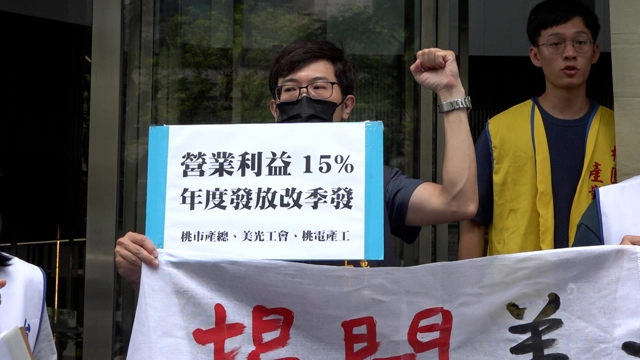 00:53
00:53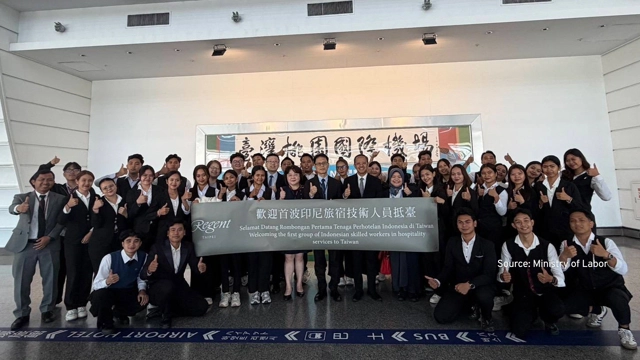 00:28
00:28 05:35
05:35 00:47
00:47 02:37
02:37 02:57
02:57 03:57
03:57 00:34
00:34 02:46
02:46 00:30
00:30 03:37
03:37 03:27
03:27 02:37
02:37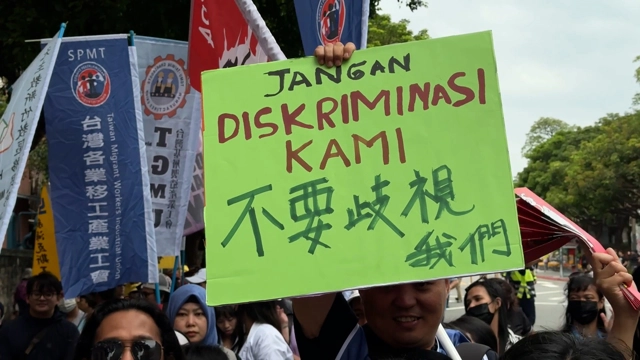 02:32
02:32 04:52
04:52