* This AI-generated summary is based on reporting by TaiwanPlus and verified by newsroom fact checkers. Learn more about our policy here.
Protest Over Taiwan’s Disaster Leave Policies: Calls for Fair Compensation for Shift Workers
A group of protesters gathered outside Taiwan’s labor ministry to call for consistency and clarity regarding the country’s disaster leave policies. The Taoyuan City Industrial Federation of Trade Unions and the EVA Air Union led the demonstration, demanding reforms in how shift workers are compensated during natural disasters.
The protest, held in Taipei, drew attention to what organizers say is a significant gap in labor laws. While most employees in Taiwan are entitled to paid leave when a "natural disaster day” is declared, shift workers are often left without compensation. These workers are expected to show up, regardless of dangerous conditions like typhoons or earthquakes, or risk having their pay docked. For many, refusing to work due to safety concerns can lead to a loss of income and even negative consequences for their performance evaluations.
The Protest and Its Demands
At the event, protesters clashed with labor ministry representatives. Frustrated demonstrators pressed the ministry to take responsibility for ensuring that employers fairly compensate shift workers.
“We’ve seen all this before. Stop pushing the problem around. The labor ministry is the one in charge, so this is your responsibility,” one protester shouted.
The protest wasn’t sparked by any single event, but rather by longstanding frustrations over how shift workers are treated during natural disasters. A recent example was during Typhoon Gaemi, which struck Taiwan in late July. While the government declared a “natural disaster day,” giving most workers the day off with pay, many shift workers were still expected to work. Whether they would be compensated for risking their safety was left to their employers’ discretion, and many chose not to offer additional pay.
Chu Chia-yun, Chair of the EVA Air Union, explained the dilemma: “Basically, if you’re scheduled to work that day and you ask for leave because you feel unsafe and don’t go to work, then your salary will be deducted. In addition to a salary deduction, it could also negatively impact your evaluation score.”
Protesters argue that this system is unjust. They are calling for reforms, including mandatory paid natural disaster leave for all workers, double pay for those who do work during such events, and transportation subsidies to help cover the costs of getting to and from work safely during dangerous conditions.
These demands aim to bring shift workers in line with the rest of Taiwan’s workforce, who receive compensation or time off when natural disasters strike. Ground staff at airports, for instance, are often required to keep working, putting their safety at risk without what they say is adequate compensation.
The broader issue of how workers are treated during times of crisis remains a sensitive one in Taiwan, a country that frequently experiences typhoons and earthquakes. Protesters are pushing for the government to take more decisive action in protecting the rights of workers during these events, ensuring that safety and fairness are prioritized.
 02:37
02:37 02:57
02:57 03:57
03:57 00:34
00:34 02:46
02:46 00:30
00:30 03:37
03:37 03:27
03:27 02:37
02:37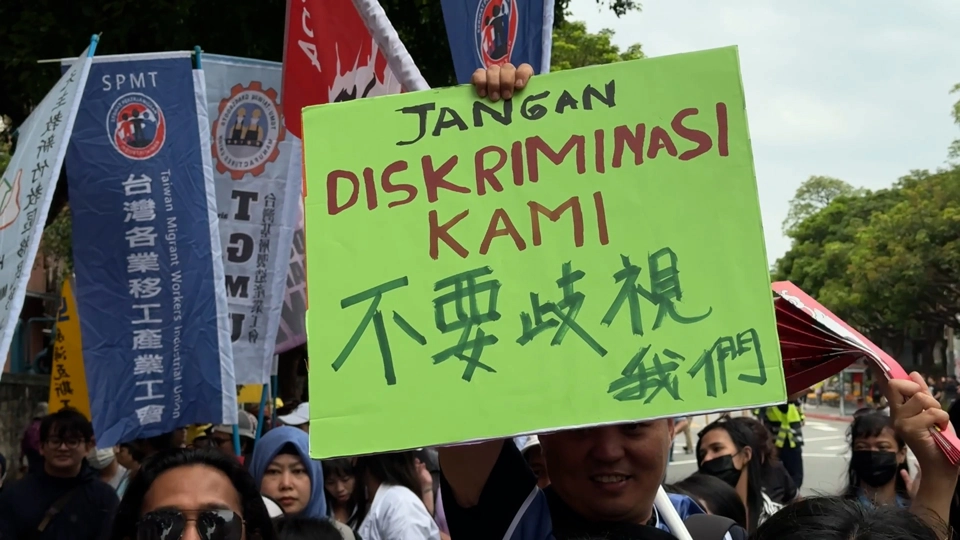 02:32
02:32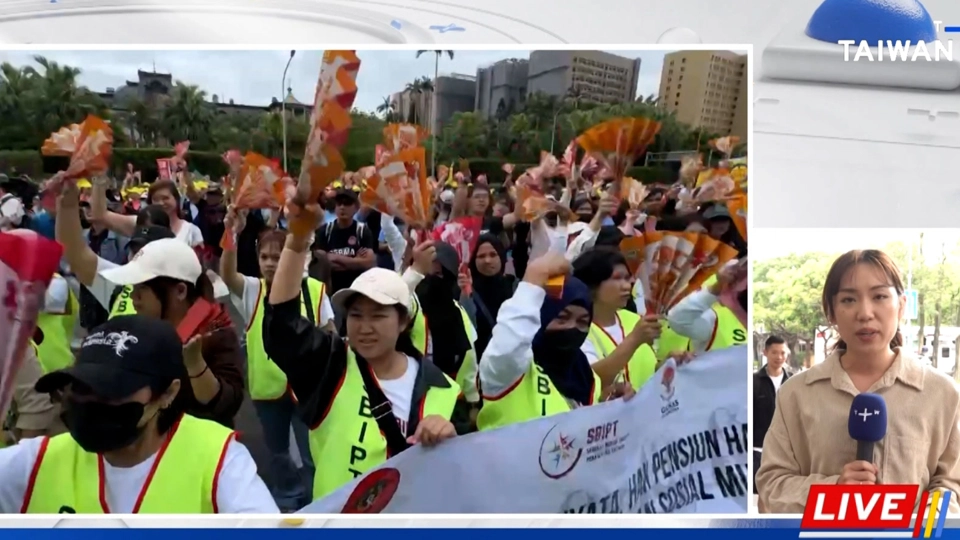 04:52
04:52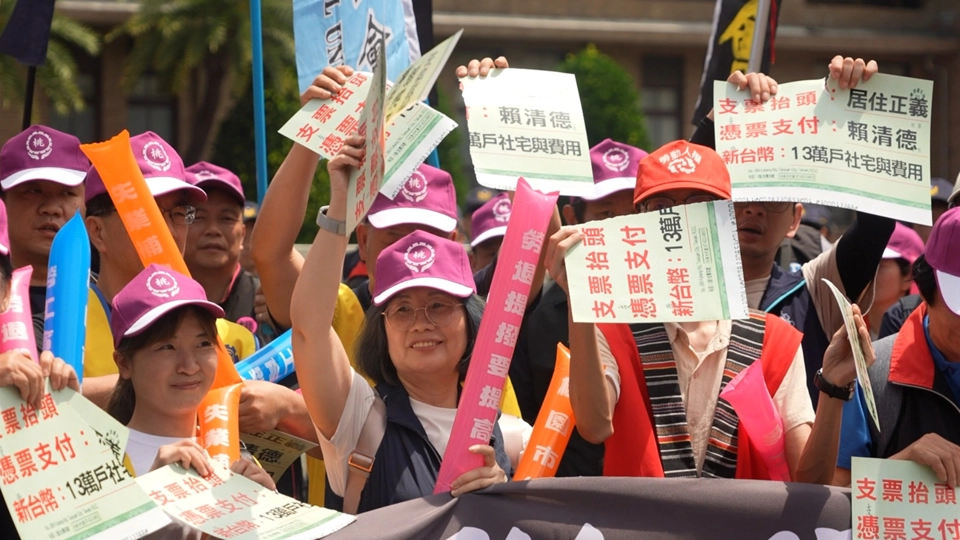 01:39
01:39 02:37
02:37 00:46
00:46 02:28
02:28 03:01
03:01