* This AI-generated summary is based on reporting by TaiwanPlus and verified by newsroom fact checkers. Learn more about our policy here.
The Struggle for Retirement Security
Migrant workers play a crucial role in maintaining Taiwan’s essential services, but many face a stark reality when planning for their futures: inadequate access to old-age benefits. Some workers are now fighting for equal access to pensions, challenging policies that disadvantage them.
Gilda Banugan, a domestic worker from the Philippines, has dedicated over a decade to working in Taiwan. At 40, she must leave Taiwan within two years due to the country's 12-year cap on migrant employment. "We work so hard, 24/7, especially caretakers," Banugan says. "After more than ten years of work, we go back home with nothing to show for it." Her situation highlights the broader issue faced by many migrant workers in Taiwan: exclusion from meaningful retirement benefits.
The Existing Pension System
Taiwan's Labor Insurance Act offers pensions to individuals who have worked and contributed for at least 15 years, while those with less than 15 years receive a one-time lump sum. However, the Employment Services Act restricts blue-collar migrant workers from staying in Taiwan for more than 12 years, often leaving them with minimal retirement savings. Additionally, the availability of these benefits depends on employers enrolling their workers in labor insurance, which is not always guaranteed.
Emotional Toll and Advocacy
At a recent NGO-backed public hearing, migrant workers shared their struggles. Liezel, a member of the National Domestic Workers Union, broke down in tears as she recounted her health struggles, including ovarian cancer and chronic kidney failure. Her story underscores the vulnerabilities faced by many migrant workers who lack adequate support systems.
Government Challenges and Criticisms
The labor ministry acknowledges the difficulties in providing benefits to migrant workers. Li Hui-an, a section chief in the Labor Insurance Division, explained that maintaining communication with workers who return to their home countries before qualifying for old-age benefits is challenging. Critics, like Betty Chen from the Taiwan International Workers Association, argue that the current policies reflect a discriminatory bias, with Taiwanese employers responsible for local workers' retirement security but not for foreign workers.
Migrant workers and their advocates are pushing for policy reforms to ensure fair access to retirement benefits. Their fight is not just for their future but also for equity in a system that leaves many in precarious situations. The call for change is clear: Taiwan must address these policy gaps to ensure all workers, regardless of nationality, can plan for a secure and dignified retirement.
 02:37
02:37 02:57
02:57 03:57
03:57 00:34
00:34 02:46
02:46 00:30
00:30 03:37
03:37 03:27
03:27 02:37
02:37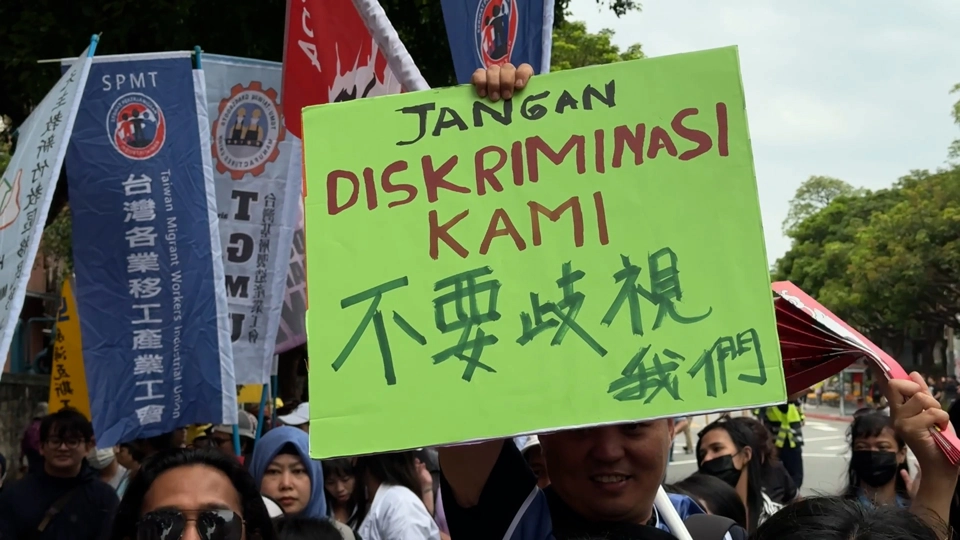 02:32
02:32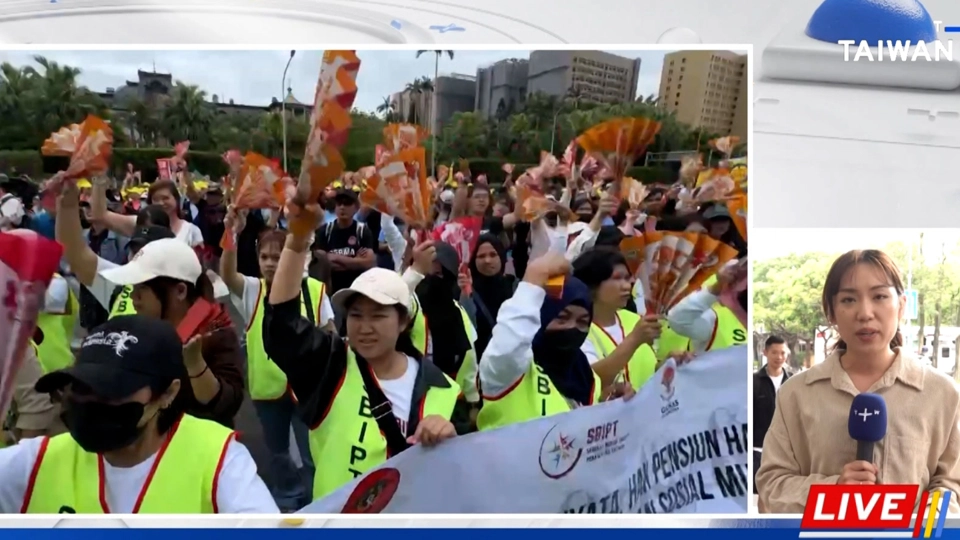 04:52
04:52 01:39
01:39 02:37
02:37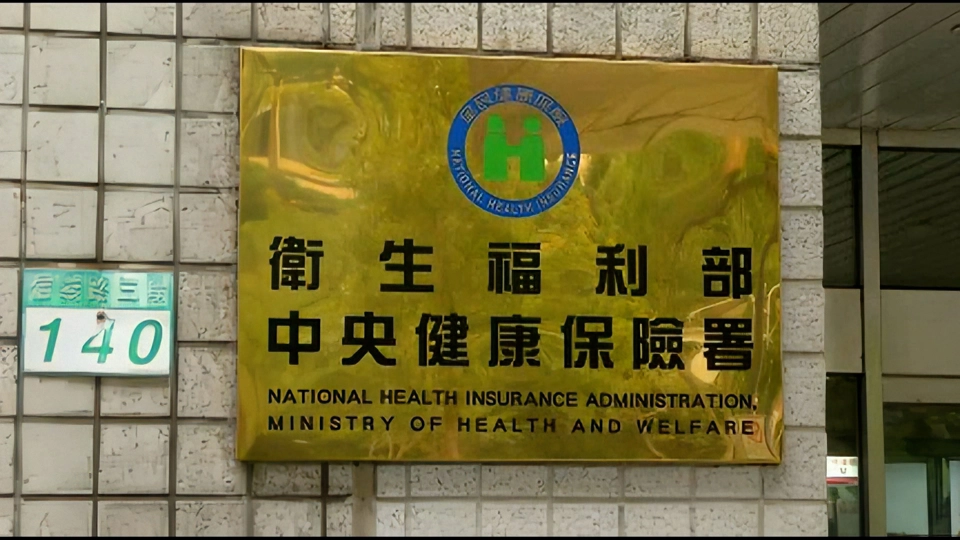 00:46
00:46 02:28
02:28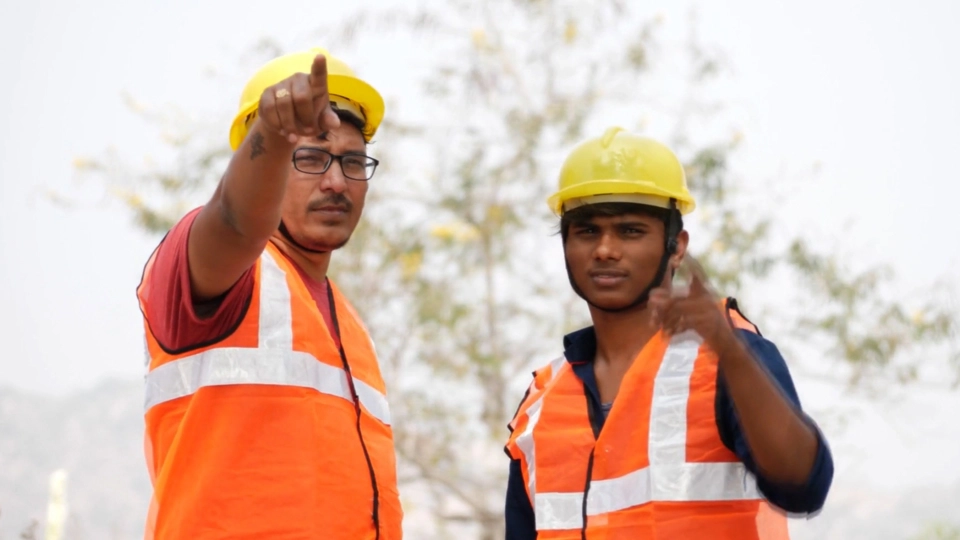 03:01
03:01