Young Taiwanese Borrow Money To Chase Stock Gains In AI Boom
By Joseph Wu/Lily LaMattina
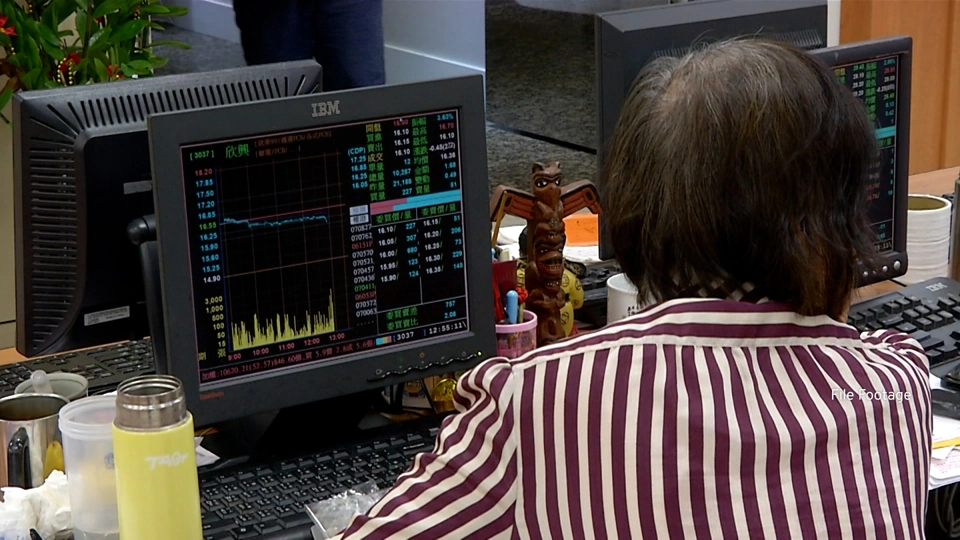
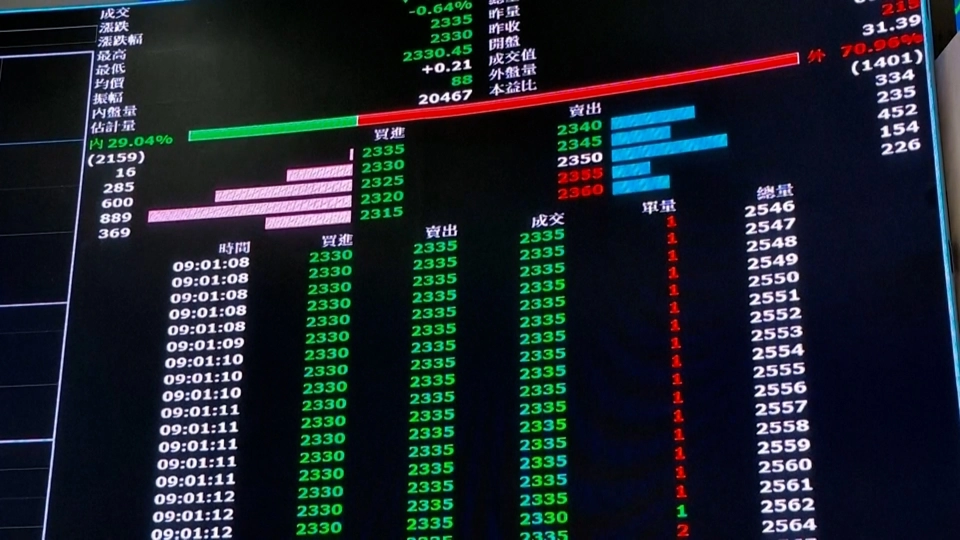
The AI boom has sent Taiwan’s stock market soaring, drawing in young investors eager to build wealth faster. Some are borrowing money to invest, taking on debt in the hope of bigger returns. But when markets turn, that strategy can lead to bigger losses. Reporter Lily LaMattina speaks to young investors about why they wanted to buy in, and the price some had to pay.
REPORTER:
The AI boom has sent Taiwan’s stock market soaring. For many young investors, this has created a fear of missing out on this opportunity to cash in. But buying more stocks means having enough money. For some, that means borrowing to invest.
Amber (YOUNG INVESTOR):
Mainly, I wanted to build up my assets quickly because if I just saved slowly from my salary
I felt it would take a very long time and I thought even buying a home would be quite difficult.
REPORTER:
Their goal is simple: to build wealth faster. Many young people feel their wages alone are not enough to build the life they want, so they’ve turned to borrowing money to invest— taking on greater debt in the hope of higher returns.
Elsa (YOUNG INVESTOR):
In May, I borrowed money from my family
and bought quite a lot of stocks.
Things were actually going really well in April and May. As soon as you bought, the stocks would rise
sometimes gaining more than 50% in a month or even doubling.
REPORTER:
This strategy is known as LEVERAGING: borrowing money to increase the size of an investment. Some investors are taking that risk even further, borrowing money to buy leveraged products that can amplify returns—but also magnify losses.
Mark (YOUNG INVESTOR):
At the time, combining my personal loan with these warrants
was essentially leverage on top of leverage
[with the value] reaching around 30 times.
So when the market was doing well
you could make money very quickly.
REPORTER:
For a while, these strategies worked in their favor. But the market can change faster than expected.
Elsa (YOUNG INVESTOR):
Around July, especially in early July
the whole stock market started falling.
Technology stocks in particular saw a major sell-off.
So in July, I basically gave up all my gains
from May and June, and even ended up losing money.
REPORTER:
When leveraged investments lose value, the debt remains. Mark learned that the hard way during Taiwan’s 2022 bear market. With the US Federal Reserve aggressively raising interest rates, Taiwan’s stock market plunged more than 20 percent. But his monthly loan payments continued.
Mark (YOUNG INVESTOR):
The pressure was extremely high at that time
because my personal loan was around [US$70,000]
and I had to repay more than [US$1,000] every month
which was already over half of my salary at the time.
So the financial pressure was really overwhelming.
REPORTER:
Economists like Dachrahn Wu of National Central University warn this debt servicing creates serious financial pressure for young investors.
Dachrahn Wu (ECONOMICS PROFESSOR):
Once the market falls, if you're using equity financing
individual investors could lose it all.
And if you use your home as collateral and suffer major losses
you may no longer be able to repay those loans.
All of this can put significant financial pressure
on many families.
REPORTER:
With the AI boom continuing to push stock prices higher, Wu worries that a future market correction could hit young investors especially hard.
Dachrahn Wu (ECONOMICS PROFESSOR):
If these tech companies
can't generate more revenue from consumers
they may slow down their AI investments in the future.
[During a market correction,] retail investors usually
don't have the same expertise as institutional investors
to judge market movements.
And with such a huge volume of trading
when problems do arise
the National Stabilization Fund has only [US$15 billion]
so it would not be enough to stop the fall.
REPORTER:
Mark, now in his 30s, no longer views leverage the way he did in his 20s. Despite three major market downturns, he still made money through the strategy. But he says those financial gains came at a high personal cost.
Mark (YOUNG INVESTOR):
If I had the chance to do it again
I wouldn't keep piling on more leverage.
Making a profit is important
but so is the toll
on your mental and emotional well-being.
Looking back, that was one of the greatest torments.
REPORTER:
As Taiwan’s AI-driven market boom continues, the question is: how much are young investors willing to borrow — and what happens to them if the market turns?
Joseph Wu and Lily LaMattina for TaiwanPlus.