Taiwan Reviews Papua New Guinea Ties After Office Closure Announcement
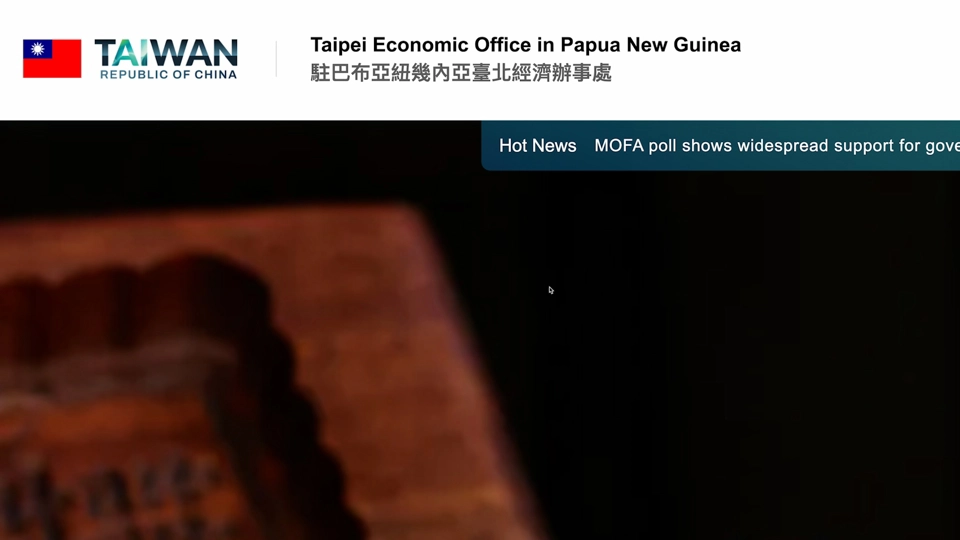
Taiwan says it is reassessing its relationship with Papua New Guinea after the Pacific nation announced it would close Taipei's representative office there. Foreign Minister Lin Chia-lung rejected claims by Papua New Guinea that it has no economic ties with Taiwan, pointing out that Taiwan buys nearly a third of the country's liquefied natural gas exports. Taiwan's vice president and the US State Department expressed concern over China's increasing diplomatic pressure on Taipei.
Taiwan Reassesses Economic Ties With Papua New Guinea
REPORTER:
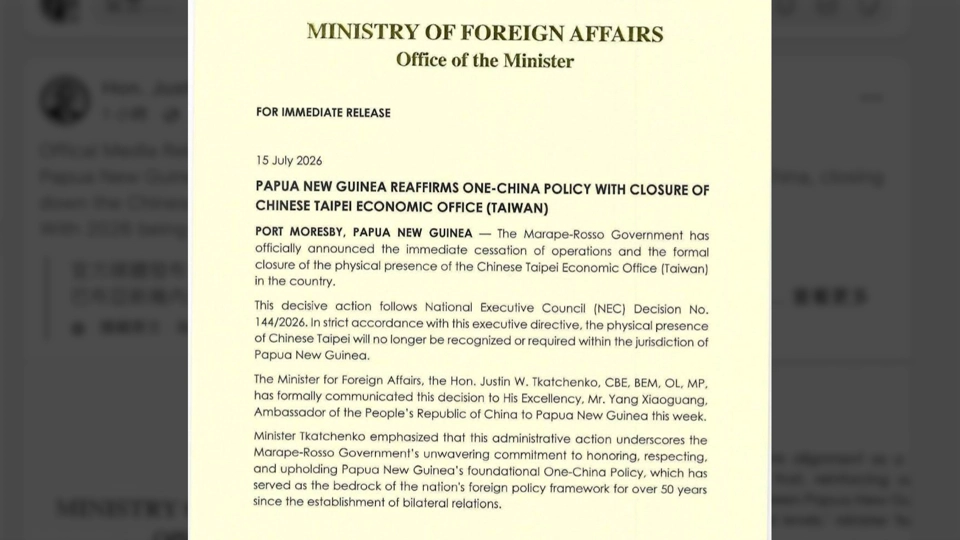
A third of Papua New Guinea's natural gas exports could now need new buyers. That's the economic fallout from the country's decision to unilaterally close Taipei's representative office there. Taiwan foreign minister Lin Chia-lung says his ministry has already been discussing how to reevaluate economic ties with the country.
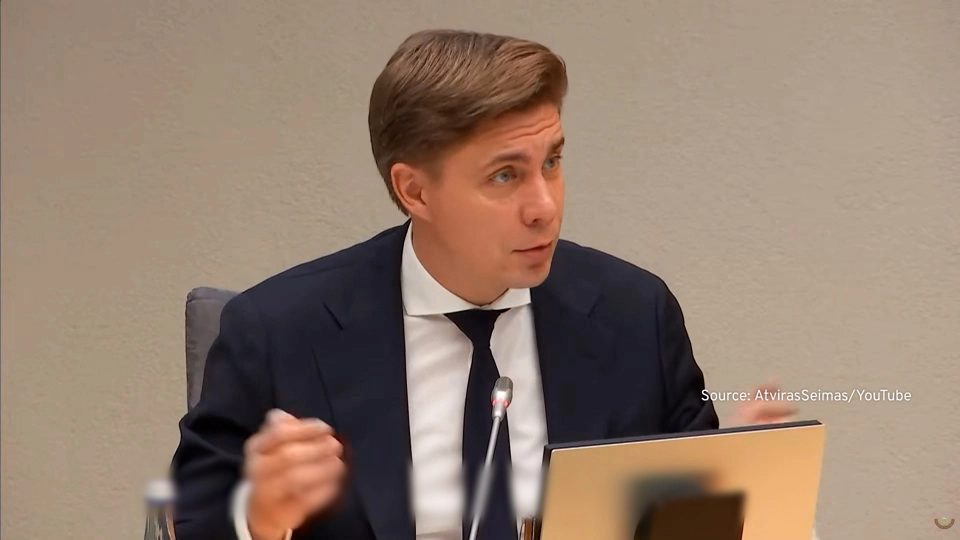
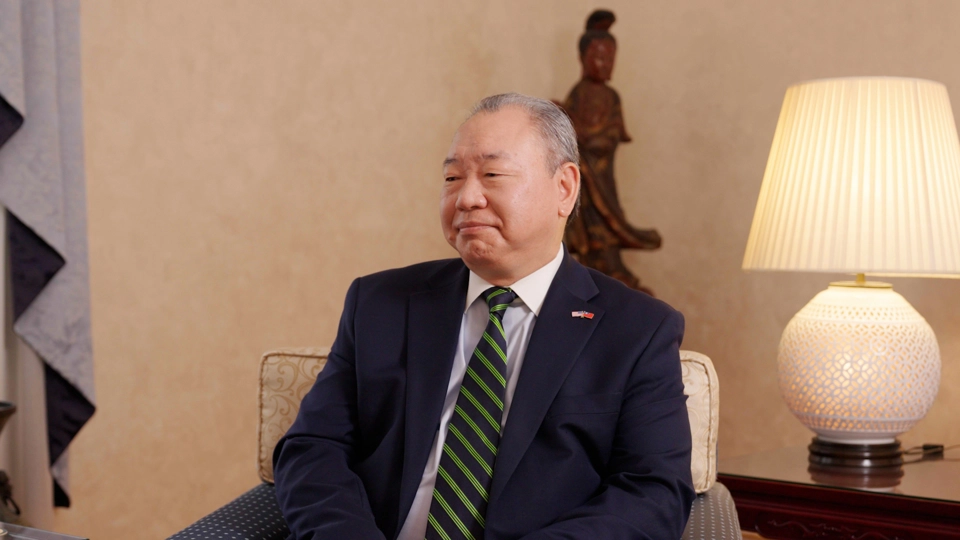
Lin Chia-lung (TAIWAN FOREIGN MINISTER):
Our relationship with Papua New Guinea is not like some of their officials make it seem as though there is no economic interaction at all. In reality, we purchase nearly one-third of Papua New Guinea's natural gas amounting to more than 1.2 million tons annually.
REPORTER:
Liquified Natural Gas accounts for more than 40 percent of Papua New Guinea's exports. Other economic exchanges include technology cooperation in agriculture and fishing.
REPORTER:
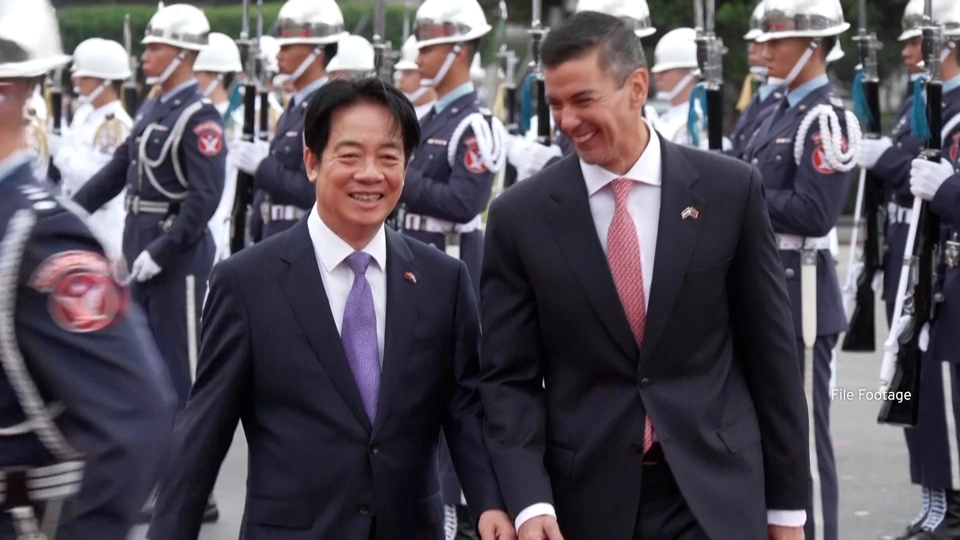
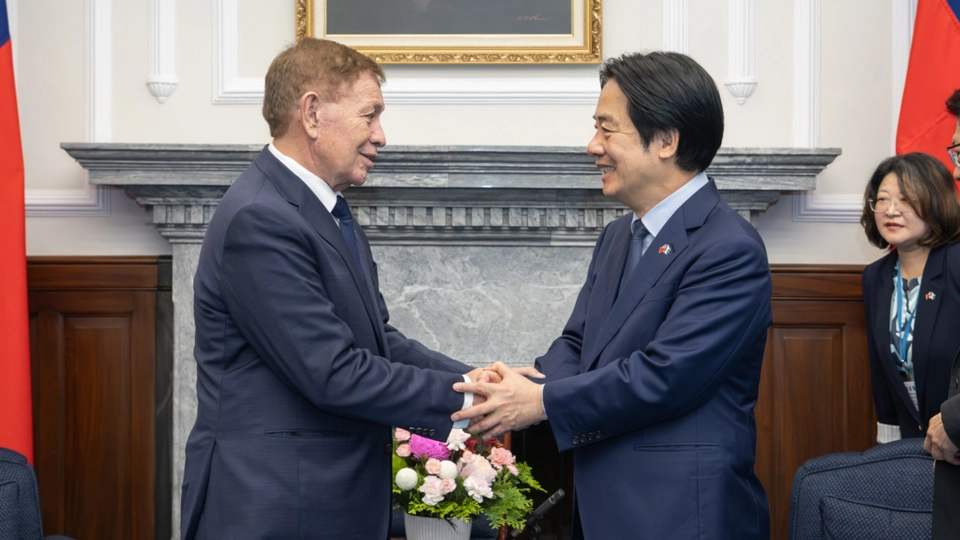
After Papua New Guinea’s announcement, Taiwan’s vice president said it was another example of suppression from China, which praised the move.
In a statement provided to Reuters, the US State Department said it was "deeply concerned" by the reports, adding that "This is yet another example of Beijing's intimidation campaign against Taiwan and its supporters around the world.”
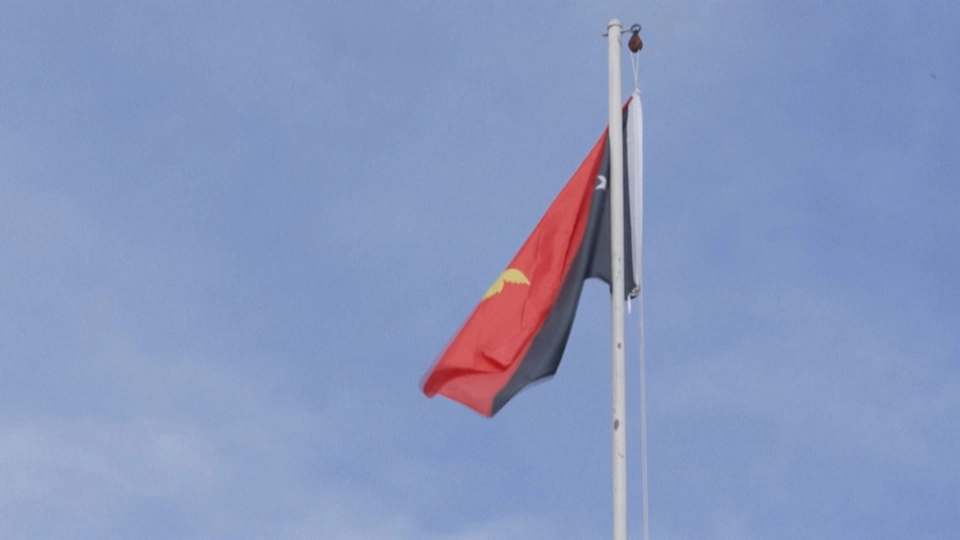
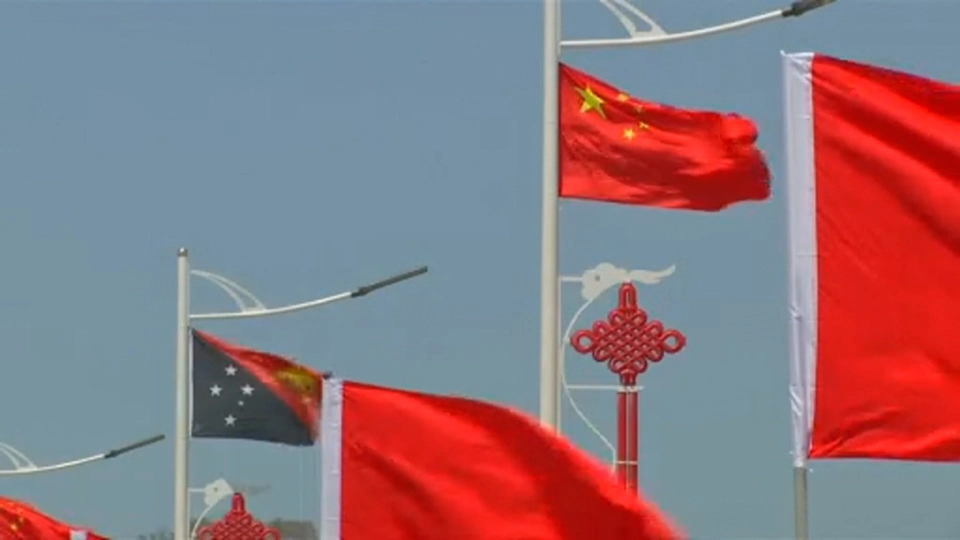
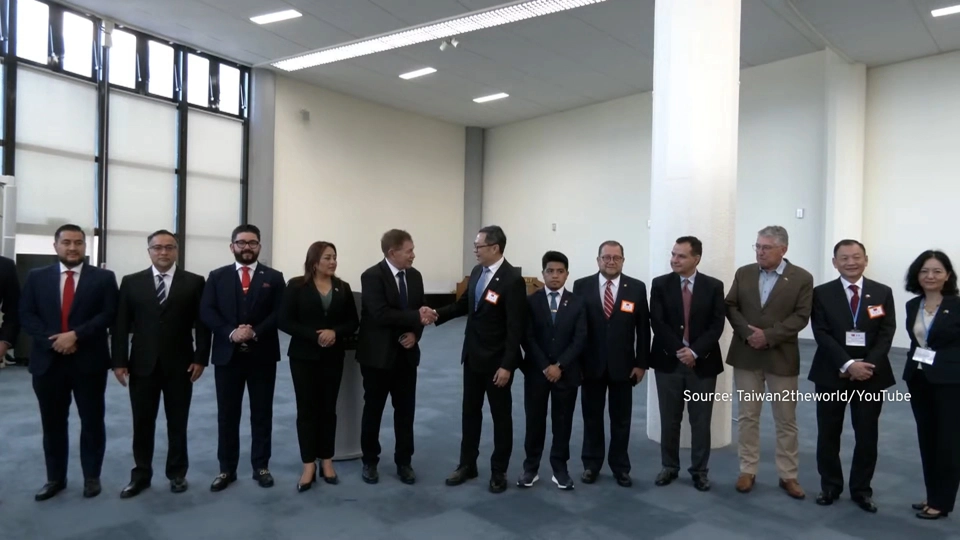
Papua New Guinea’s government says closing the office is in keeping with its one-China policy, on the 50th anniversary of diplomatic ties with Beijing.
Lin Ying-yu (ASSOCIATE PROFESSOR, TAMKANG UNIVERSITY):
For [China] this is a convenient way to tell the international community Taiwan is a part of [China]. So now what we really need to consider is whether Taiwan has other sources of natural gas rather than depending on Papua New Guinea.
REPORTER:
Taiwan's representative offices have been coming under increasing pressure after South Africa last year ordered its Pretoria office to change its name and relocate to Johannesburg, reportedly also due to pressure from China.
With these disputes ongoing, it may become increasingly difficult for Taiwan's diplomatic efforts to carry on as usual.