NAT SOUND
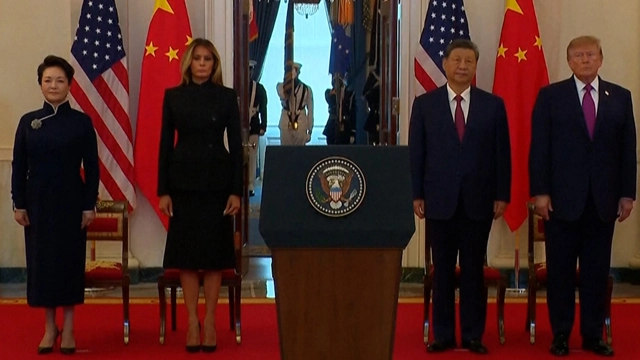
A sumptuous dinner for two of the world’s most powerful people.
For tonight, at least, here at the White House US President Donald Trump and Chinese President Xi Jinping are talking cooperation, not rivalry.
DONALD TRUMP, US PRESIDENT:
"As the leaders of our two nations President Xi and I both understand that we represent different systems, but the ties between our peoples endure, and we’ve never gotten along better."
XI JINPING, CHINESE PRESIDENT:
"President Trump has pledged to “Make America Great Again” and led the American people in making significant strides. China is committed to achieving great national rejuvenation and Chinese modernization has kept breaking new ground. These two goals are both ambitious and can be mutually reinforcing."
But rifts remain.... while Xi says the two sides should work together on AI and making sure humans stay in control, Trump says the US should continue under its own domestic guardrails.
And then, there’s the matter of Taiwan.
Xi has made taking Taiwan for China a major goal, even if military force is needed. And with Trump, he’s pushing to get the US further towards his side.
Chinese officials say that he asked Trump to outright oppose Taiwan independence.... rather than follow the US stance up till now: not supporting Taiwan’s independence.
But some analysts say if the US agrees, the change in wording could signal a more active US role in reigning in pro-independence forces in Taiwan that Beijing opposes.
It isn’t clear how Trump has responded, but his reported delay of an arms package for Taiwan worth US$14 billion US dollars, and his own remarks that this was a good negotiating chip show that his foreign policy is different from his predecessors.
But on the streets of Washington, there are Chinese flag-wavers...
And also protesters decrying China’s human rights record, its treatment of its ethnic minorities in places like Tibet and Xinjiang, its treatment of Hong Kongers and its repression of religious groups like the Falun Gong. Taiwanese and Taiwanese-American protesters are out in force, too.
WASHINGTON, DC:
"My mother is Taiwanese, and we're out here today. Um, just, you know, protesting. Xi Jinping is here in D.C., so we're just kind of trying to, you know, show that that Taiwan is here. Taiwanese Americans are here supporting a free Taiwan."
WASHINGTON, DC:
"I’m here today because I want to support independent and democratic countries that must protect themselves. We know our democracy was hard-won and countries with a communist system cannot use democratic mechanisms to manipulate democracy."
Xi’s reception from Capitol Hill has been much cooler too, with lawmakers of both major parties using the occasion to air criticism of China.
Xi says the US and China have agreed on what he calls a constructive China-US relationship of strategic stability. How this holds up given his country’s real rivalries with the US—and amid misgivings within Washington itself, is now the question.
Ryan Wu and John Van Trieste for TaiwanPlus
 03:12
03:12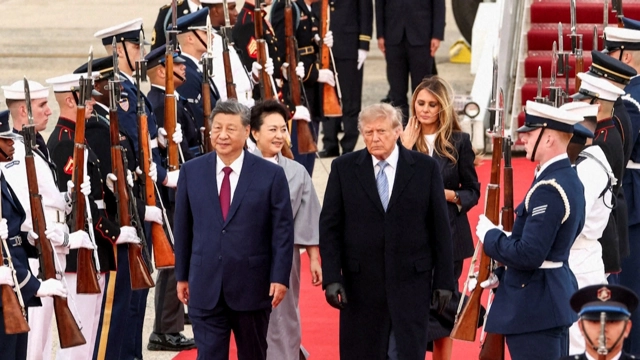 03:49
03:49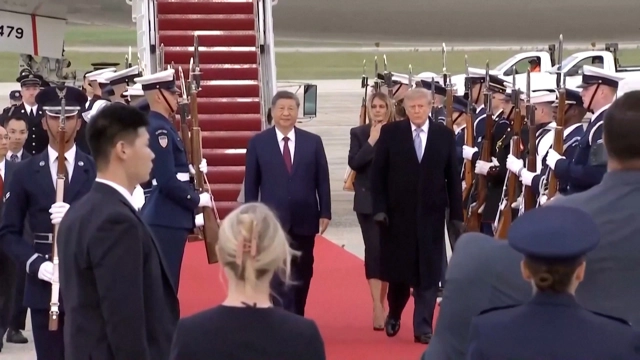 03:31
03:31 02:44
02:44 03:41
03:41 02:58
02:58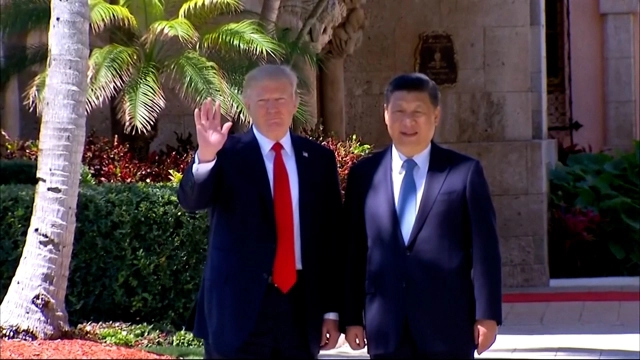 02:12
02:12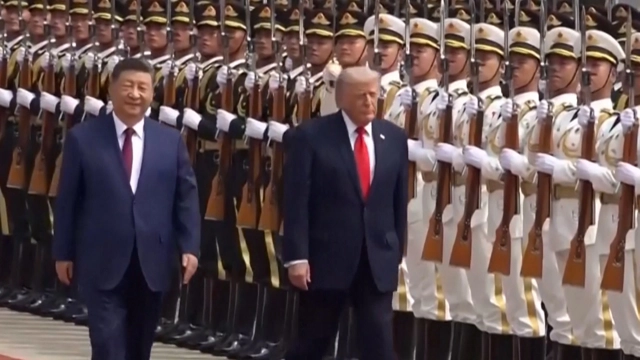 02:22
02:22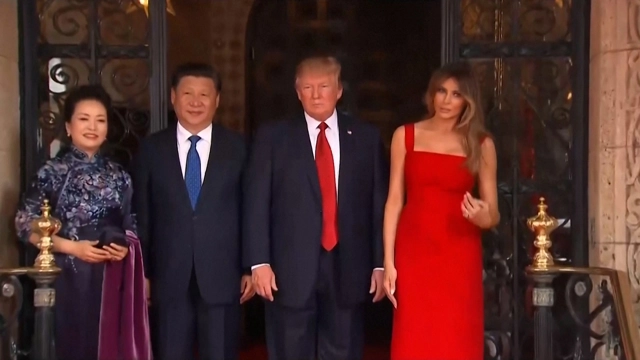 02:31
02:31 00:58
00:58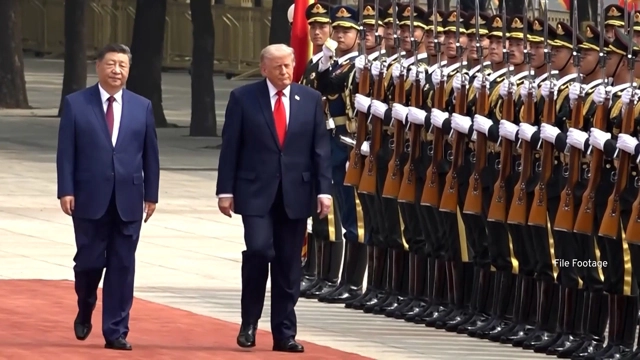 04:23
04:23 03:04
03:04 02:48
02:48 02:54
02:54 00:35
00:35 03:23
03:23