Taiwan was a major issue at the last Trump-Xi meeting in May. What implications do you think this meeting could have for Taiwan?
JAW-LING JOANNE CHANG, FMR. DEPUTY REPRESENTATIVE TO THE US:
"Whenever the US president and the [Chinese leader] have a face-to-face summit meeting the whole world watches especially Taiwan. We hope that through their meeting they can resolve some major disagreements and ease tensions. But on the other hand Taiwan is also concerned that, in the process [China] will pressure the US to make concessions over Taiwan. I believe this time will be no exception."
Reuters has reported that Beijing could leverage a joint communique from 1982 to push Washington to halt arms sales to Taiwan. But several bipartisan lawmakers have urged Trump to stand firm. How much pressure is Xi likely to put on the US over arms sales, and how might Trump respond?
JAW-LING JOANNE CHANG, FMR. DEPUTY REPRESENTATIVE TO THE US:
"We can see that [on Friday] Trump and Xi will visit the National Archives. At the archives Trump intends to show historical records from the past 250 years including documents related to the [1982 communiqué]. I hope he shows these very clearly. The foundation of the 1982 communiqué was that China’s policy toward Taiwan would use peaceful means. But today, we see China exerting extreme pressure on Taiwan including various military, economic and domestic means. It’s obvious that [China] is not complying with the peaceful approach it promised in 1982."
Officials in Taiwan have largely remained confident in continued US support, despite concerns that Trump could compromise on Taiwan to improve ties with Beijing. How likely are we going to see a shift in US policy toward Taiwan following the meeting?
JAW-LING JOANNE CHANG, FMR. DEPUTY REPRESENTATIVE TO THE US:
"We can see that from the US side regarding the Trump-Xi summit Trump is quite confident. However, Xi Jinping is no pushover. He wants to take advantage of this visit to make tangible results. During their meeting Xi is likely to employ every possible tactic to exert maximum pressure on the Trump administration regarding the Taiwan issue. But Trump is no pushover either. The US aims to bolster deterrence along the First Island Chain with arms sales to Taiwan being a crucial part of this strategy. We must demonstrate, in line with US expectations that we are capable of shouldering our own responsibilities."
 03:49
03:49 01:06
01:06 00:44
00:44 02:12
02:12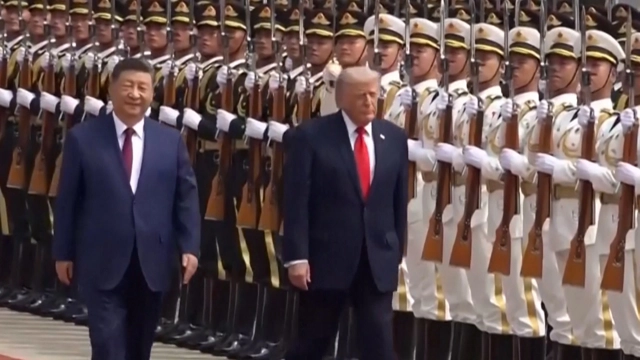 02:22
02:22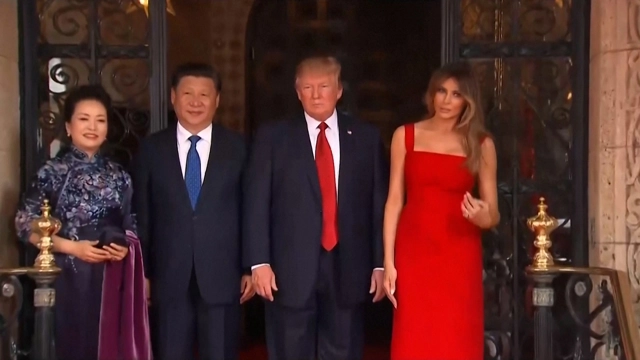 02:31
02:31 00:29
00:29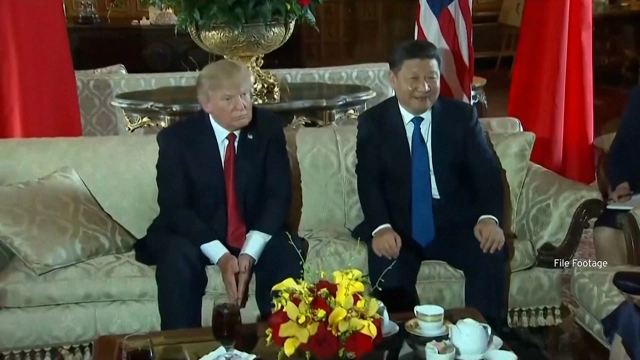 00:39
00:39 00:39
00:39 00:34
00:34 00:35
00:35 04:10
04:10 00:29
00:29 02:00
02:00 04:22
04:22 01:47
01:47