Oil Stays Above US$100
REPORTER:
The price of oil remained above 100 US dollars a barrel Thursday as the US and Iran trade attacks in the Strait of Hormuz.
Iran says it attacked ten ships in the strait after the US sunk five of its oil tankers. Oil rose above 100 US dollars a barrel on Wednesday for the first time since July. The US Energy Information Administration raised its oil price forecasts for both this year and the next. Analysts expect oil disruptions in the Persian Gulf to continue for the foreseeable future.
Oil prices held firm on Thursday after Brent crude breached $100 a barrel, with traders bracing for deeper supply disruption as Iran and the United States launched their largest attacks on shipping since their six-month-old conflict began.
Brent crude futures rose 0.1% to $101.34 a barrel by 0107 GMT. U.S. West Texas Intermediate crude was at $96.55 a barrel, up 0.5%.
Iran said on Wednesday it had 10 ships near the Strait of Hormuz after the U.S. sank five Iranian oil tankers, and Iran's Revolutionary Guard Corps said it would escalate its response to any further attacks.
"The tit-for-tat attacks suggest oil flows from the Persian Gulf are likely to remain disrupted for the foreseeable future," Daniel Hynes (ANZ analyst) said.
Oil flow through the waterway that before the war carried roughly a fifth of global oil and gas supplies remains well below its pre-war level.
The U.S. Energy Information Administration on Wednesday raised its oil price forecasts for this year and next, as global stockpiles drop due to the loss of Middle Eastern supply.
"The broadening of the conflict threatens to risk even deeper disruption to oil supplies that had already left the oil market scrambling to adjust," Hynes said.
---
US-Iran Strikes Hit Oil Prices
REPORTER:
Oil prices went up further Thursday as the US and Iran trade attacks in the critical Strait of Hormuz.
Brent crude futures rose 0.1%, breaking US$101 per barrel. With the US sinking five Iranian oil tankers and Iran saying it attacked ten ships near the strait, analysts expect oil disruptions in the Persian Gulf to continue. On Wednesday, the US Energy Information Administration raised its oil price forecasts for both this year and the next.
 03:49
03:49 00:32
00:32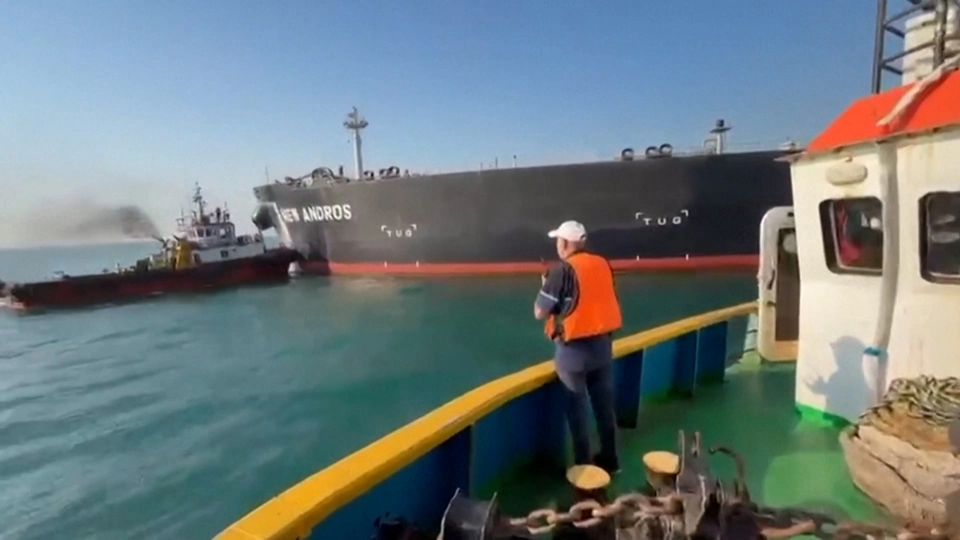 00:30
00:30 00:46
00:46 00:35
00:35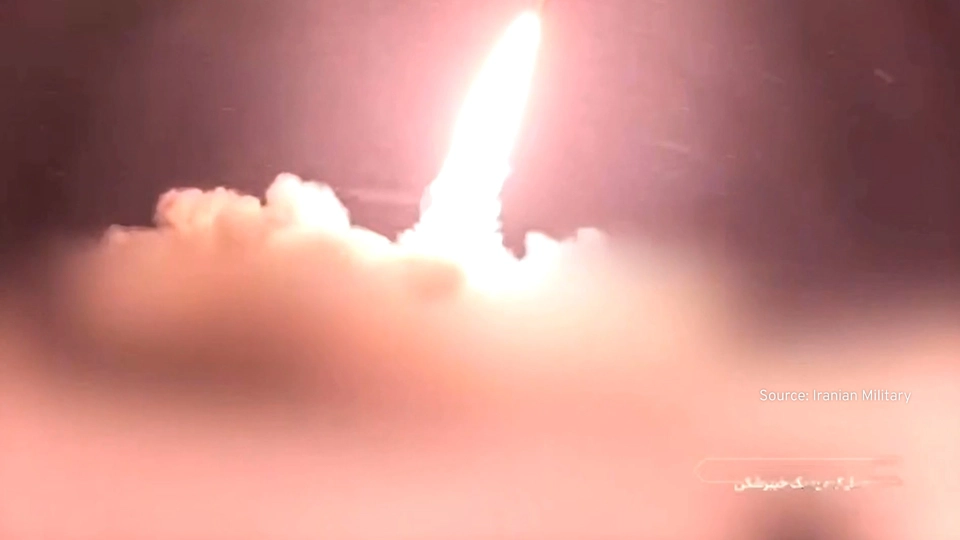 02:44
02:44 02:28
02:28 00:34
00:34 02:54
02:54 00:56
00:56 00:43
00:43 00:36
00:36 02:46
02:46 00:36
00:36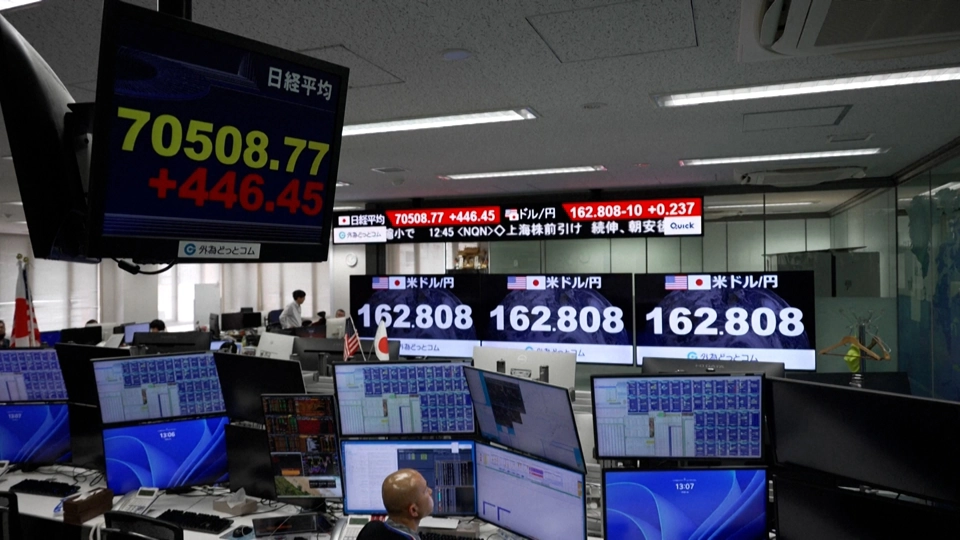 00:33
00:33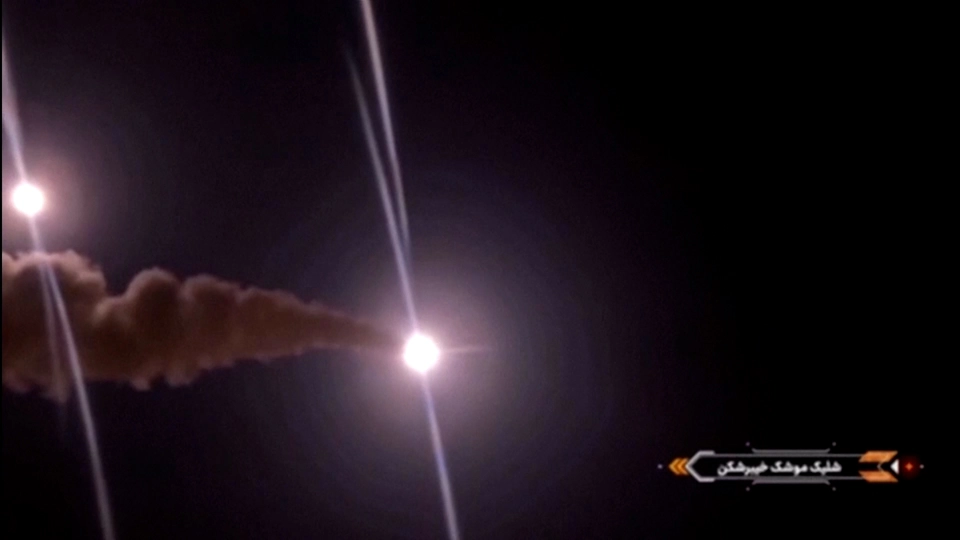 00:24
00:24