US-Iran Tensions Escalate with Strikes and Oil Price Surge
REPORTER:
Iran’s military says this footage shows missiles headed towards US targets in Jordan. It’s the latest in a string of attacks the US and Iran have traded in the past few days, including a strike the US says destroyed five Iranian oil tankers on Tuesday.
REPORTER:
US Secretary of State Marco Rubio says this tit-for-tat pattern could continue.
Marco Rubio (US SECRETARY OF STATE):
Yeah, the back and forth is pretty straightforward and that is that Iran continues to try to hit US naval ships. And, for every time they do that or try to do that, they're going to lose tankers. And I think you'll see that again today.
REPORTER:
The market has taken note. On Wednesday, oil prices went up for the fourth straight session. Tehran’s announcements have added to the uncertainty, including the declaration of a new restricted corridor in the Strait of Hormuz. As hopes fizzle for an end to the US-Iran war, now more than six months old, Brent crude prices have now jumped by a quarter since early August.
REPORTER:
Internationally, Iran's nuclear capabilities remain a sticking point. The US, UK, France and Germany want the UN nuclear watchdog, the International Atomic Energy Agency, to report Iran to the Security Council. The agency’s head says inspectors haven’t had access to bombed nuclear sites or been able to assess enriched uranium supplies.
Rafael Grossi (IAEA DIRECTOR GENERAL):
If Iran engages with us, if Iran engages with us in a serious dialogue, if we can start getting access, addressing their security and confidentiality points, I am sure, and I can guarantee to you, that this will have a very, very positive repercussion.
REPORTER:
There also the question of whether the US can pressure South Korea to get involved in the conflict. US President Donald Trump wanted the Koreans to support his naval blockade of Iran and scaled back joint military exercises in August after they declined to do so.
REPORTER:
On Tuesday Seoul sent a team to assess security in the Strait of Hormuz.
South Korean President Lee Jae Myung also spoke about his nation's concerns on a recent trip to France.
Lee Jae Myung (SOUTH KOREAN PRESIDENT):
The Republic of Korea and France agreed to continue close coordination to ensure the speedy restoration of freedom of navigation in the Strait of Hormuz and the stability of global supply chains.
REPORTER:
But on Monday, Iran put out this warning.
Esmaeil Baghaei (IRANIAN FOREIGN MINISTRY SPOKESPERSON):
Both South Korea and the other countries know that any aggressive and interventionist action by America in the region will amount to complicity in an overt military aggression. It will only make the situation more complicated and will certainly not make the maritime routes more secure.
REPORTER:
With the June ceasefire between the US and Iran in tatters, the conflict spills into its seventh month. And as its economic fallout continues, the world wonders when a solution might arrive.
 00:35
00:35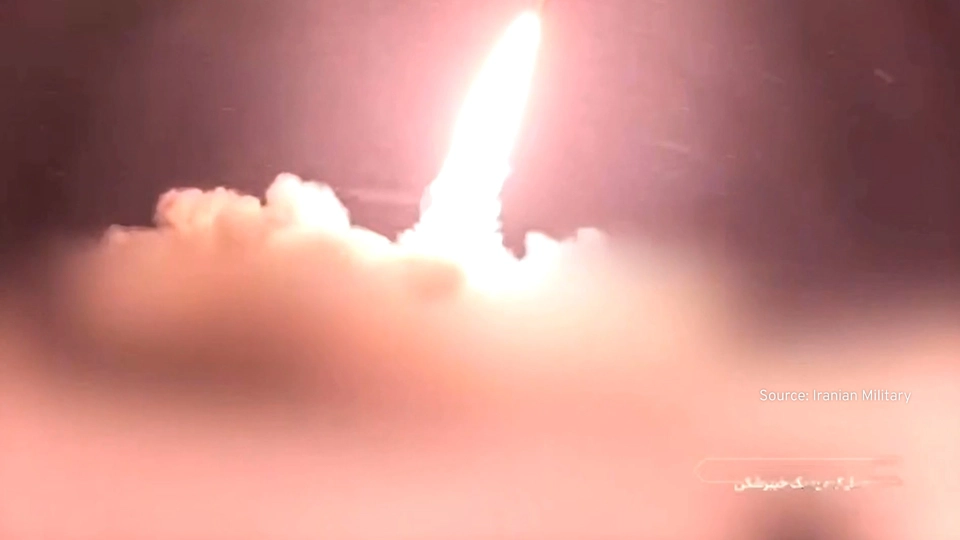 02:44
02:44 03:49
03:49 00:34
00:34 00:36
00:36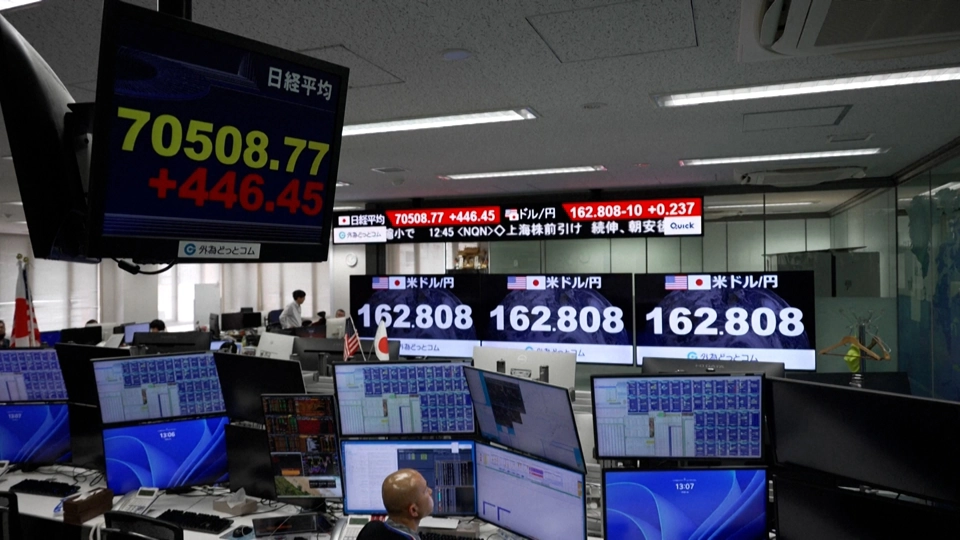 00:33
00:33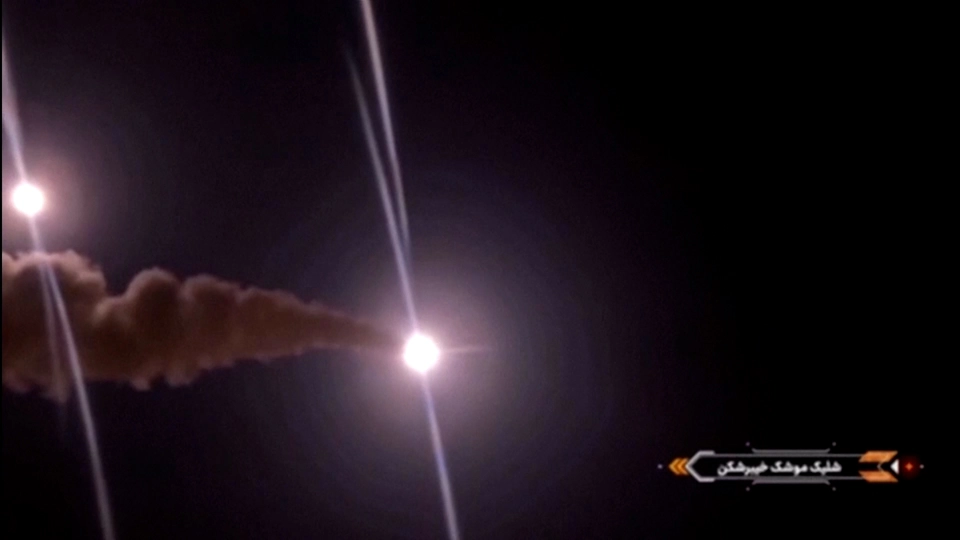 00:24
00:24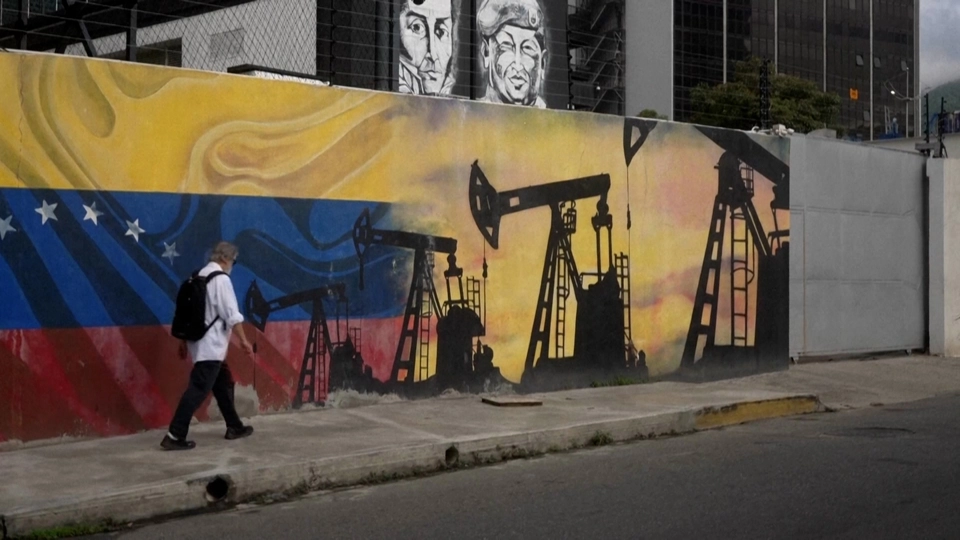 02:11
02:11 03:23
03:23 00:42
00:42 00:48
00:48 00:40
00:40 02:56
02:56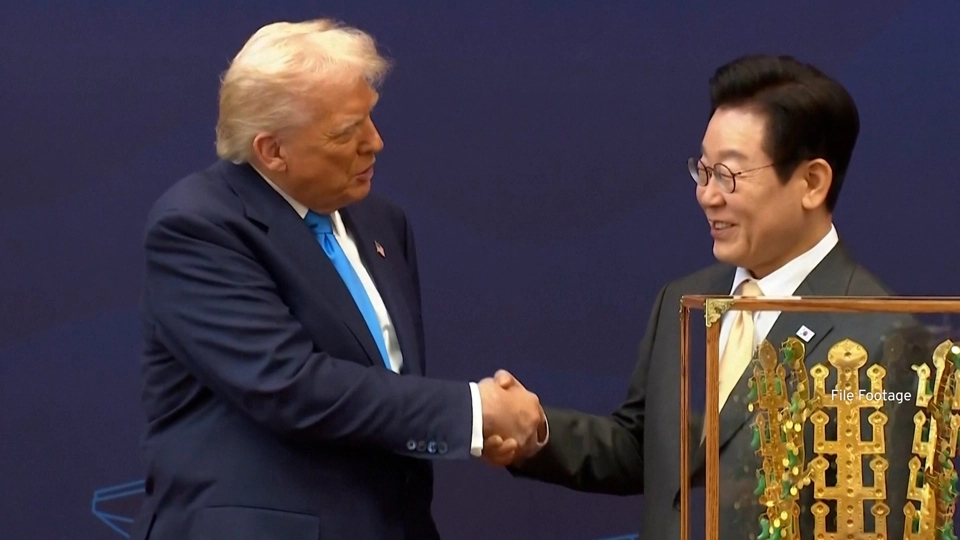 03:24
03:24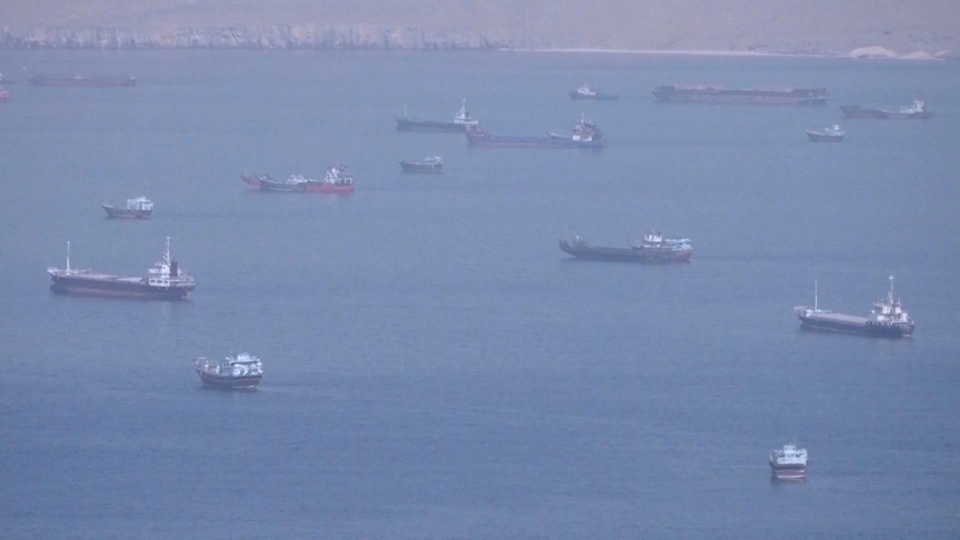 00:30
00:30 02:36
02:36