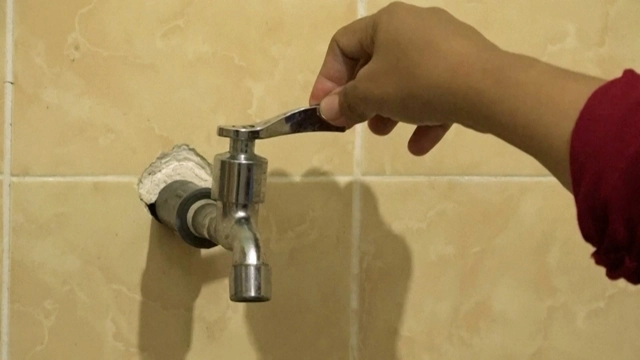
The taps are dry in Sulastri’s home, just one of many without water.
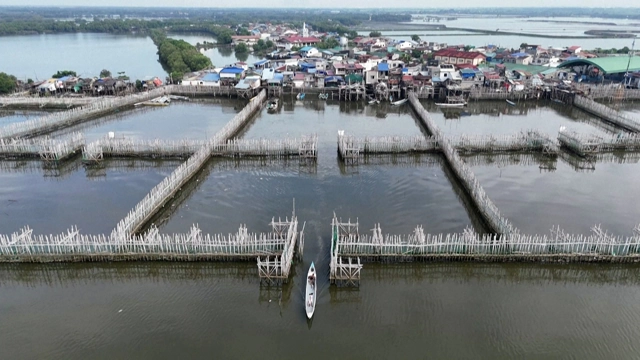
Across Batam, Indonesia, cooking, cleaning, even bathing and using the toilet—all require bottles of water from elsewhere. The mayor says dry weather is to blame, made worse by El Niño.
But as the data center buildout spills over from Singapore into cheaper areas... communities are increasingly blaming these massive projects for water shortages. And their patience with sub-standard emergency water supplies is wearing thin.
SULASTRI, SHOPKEEPER:
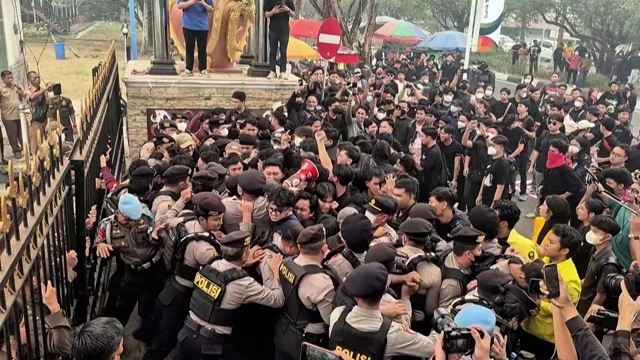
"The protest hadn't actually been planned by residents of the local neighborhood unit. But when we were supplied with smelly, yellowish water the other day, that was the breaking point."
At one development project, people have one simple demand.
RAHMAT, PROTESTER:
"Our demand is water. Bring the supply back to normal. Back to normal. That's all. Don't make life difficult for residents. That's the problem."
The tech facilities already have their own separate reservoir. And in late September, authorities said data centers must use desalination plants and “closed-loop” water systems that reuse resources.
GINDA ALAMSYAH, SPOKESPERSON WATER PROVIDER:
"The government has stipulated that data centers must build their own drinking-water supply systems using seawater, through what is known as seawater reverse osmosis, or SWRO. That means the data centers must provide their own water independently."
Local authorities have plans to shore up water supply including deepening local reservoirs and cloud seeding measures.
This hasn’t restored public confidence.
JUNIARDI ADINDA SEMBIRING GURUKINAYAN, MARKETER:
"Water comes before everything else. We cannot eat rice without water. We cannot cook vegetables without water."
No matter the cause of the drought, people here are left wondering how long the dry spell will last.
Joseph Wu and John Van Trieste for TaiwanPlus.
ENDS
 02:36
 02:00
 02:13
 02:02
 02:42
 00:27
 03:15
 02:07
 02:40
 03:25
 01:59
 00:54
 02:26
 02:43
 00:37
 00:48