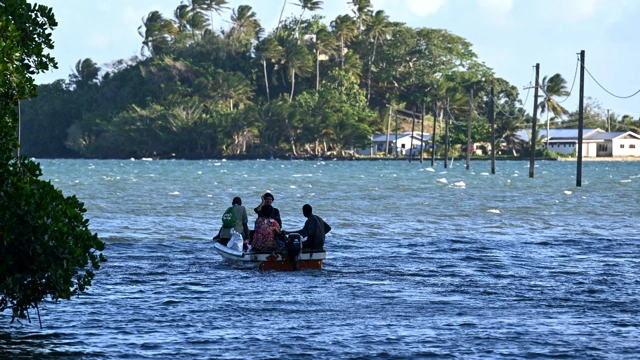
In early October, world leaders travelled to Fiji ahead of the UN climate change conference in Turkey.
While they were there to discuss threats facing small island nations ... like extreme weather and rising seas ... a power outage on day two showed a more immediate threat Fijians face: Energy shortages.
RO FILIPE TUISAWAU, FIJIAN PUBLIC WORKS MINISTER:
"We would probably go into water rationing and power rationing in the next maybe four weeks if the situation doesn't change."
Fiji is facing a collision of circumstances.
A strong El Nino weather phenomenon has brought record-high global temperatures and dry spells...affecting Fiji's hydropower production.
Compounded with fuel shortages driven by the conflict in the middle east ... this has sent the price of energy imports soaring.
RO FILIPE TUISAWAU, FIJIAN PUBLIC WORKS MINISTER:
"That's one of the key issues or problems we have right now, with approximately 11 to 12% of our GDP spent on imports of fossil fuel. So that's quite huge. We're talking about approximately 300 to 400 million Fijian dollars per annum and that's a huge drain on our resources."
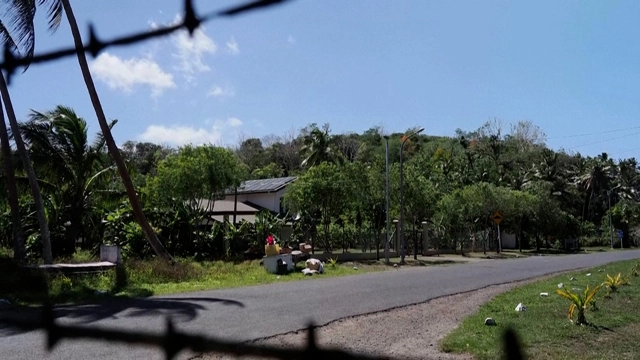
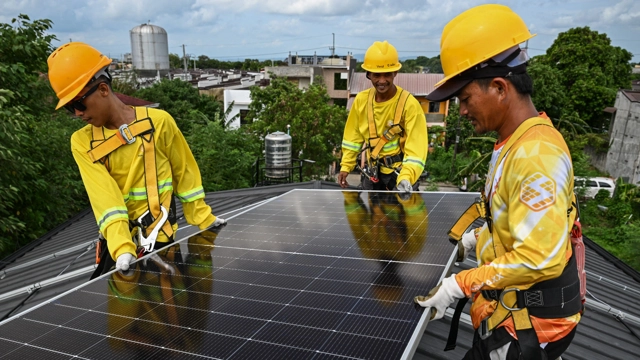
In some parts of Fiji, people are taking matters into their own hands by installing solar panels.
VERENIKI NALIO, VILLAGE SPOKESPERSON:
"They said there would be no more fuel, no more petrol would come to Fiji. So at that time we think about solar, we need the solar because the light of every house. Yeah. Because we've got no petrol, no lights and no fuel like that. So solar is already here."
Fiji's government is taking note — and has earmarked more than $200 million US dollars for solar energy infrastructure in the coming years.
It's aiming for 90% renewable energy generation by 2035 ...but reducing reliance on fossil fuels may do little to address the long-term challenges facing Fiji--- as one of the countries considered most vulnerable to climate change and rising seas... keeping the lights on may only be the most immediate concern.
Luffy Li, Shir Bashi and Billie Sweetman for TaiwanPlus.
 02:13
 02:02
 02:42
 00:27
 03:15
 02:07
 02:40
 03:25
 01:59
 00:54
 02:26
 02:43
 00:37
 00:48
 03:06
 04:09