The Philippines has approved a new bill to ban social media for minors.
The version approved by its lower house of Congress sets the age limit at 13 years old, more lenient than a similar ban set at 18, passed by its Senate a week ago.
Discussions about banning minors from social media have gained traction in the Philippines, following three deadly school shootings by underage gunmen since June.
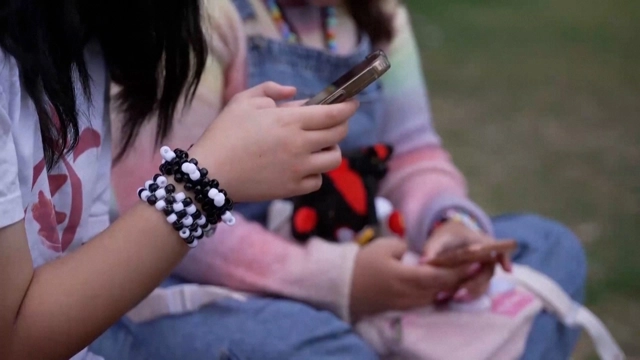
Some parents in Manila say a ban can prevent exposure to harmful content.
PARENT:
"Social media sites should be banned. I’ve seen how my own children are exposed to inappropriate and violent content online, and some of that behavior is being copied by them."
But some say a blanket ban would hinder young people’s social lives and education... and that the focus should be on teaching parents how to guide their children to explore social media safely.
PARENT:
"These days, social media has become very important, especially for education. If you ask me, I don’t completely agree with removing it because young people normally communicate through Messenger. Phone calls and text messages are no longer as common as they used to be. Secondly, I think it’s fine as long as there is proper parental guidance and limits on how much time children spend on social media."
Here in Taiwan, there’s currently no ban on social media for minors... but discussions about safe use are also growing.
Some people in Taipei echo the importance of parental guidance... while others say the platforms have to take more responsibility.
"Some children use it to learn things their parents or their schools can’t teach them. That’s acceptable but there needs to be a time limit. I think one reason children are burying their faces in their smartphones is that adults are lazy. They want their kids to not bother them so they find something to keep the kids occupied. Don’t try to regulate the children. Educate the adults."
"A lot of information mainly spreads through social media. [A ban] would lower their chances of getting first-hand information. Social media companies need to find ways to regulate the platforms and protect children from excessive exposure or misleading content."
One local NGO highlights that most major social media platforms already follow US rules that restrict personal data collection for users under 13. But it also says online threats could target any age group if there’s no proper monitoring mechanism.
CHEN YI-LING, ECPAT TAIWAN:
"[An example would be] banning adults from sending friend requests to minors or some sort of surveillance mechanism that can identify online grooming or sexual extortion. What’s more important is whether we are teaching the kids about the kinds of threats online."
Social media restrictions have been implemented around the world... including fresh bans for under-16s in Australia and Indonesia.
The Philippine congress still needs to reach a consensus on the age limit and other elements of the bill before the president can sign it into law.
But whether the age limit is set at 13, 18, or somewhere in between... the adults in the room appear to see social media as a real threat to young users.
 03:28
03:28 02:51
02:51 02:34
02:34 00:26
00:26 01:54
01:54 00:22
00:22 00:35
00:35 00:51
00:51 02:54
02:54 00:37
00:37 02:09
02:09 02:53
02:53 03:19
03:19 00:36
00:36 02:31
02:31 02:33
02:33