Kali Sidarth Medepalli was on track to have gender-affirming surgery, but she hit a major setback when her local clinic refused to keep seeing her.
KALI SIDHARTH MEDEPALLI, LGBTQ+ RIGHTS ACTIVIST:
"March is when I was supposed to have my quarterly blood test to figure out what my levels are and to see if we have to increase dosage or decrease dosage and stuff like that. But they outright said we cannot meet you. We cannot support you. We can't do anything."
Kali is one of India’s estimated millions of transgender individuals. And a recent government amendment to its transgender legislation is affecting those receiving care like her. The law enacts penalties for those who use hormones or surgery to force someone into a transgender identity.
This means any clinic providing care now has to be super cautious about administering treatment. Kali had to stop hormone therapy for a period... and the effects were excruciating.
KALI SIDHARTH MEDEPALLI, LGBTQ+ RIGHTS ACTIVIST:
"My body went through a hormonal imbalance. I started having heat flashes and those 10 days I remember my body was aching. I had weird sensations. I wasn't sleeping well. I remember my gums started paining a lot."
Authorities say the changes are meant to protect vulnerable groups and prevent trafficking. While it doesn’t criminalize consensual, medically supervised care, activists and doctors say the amendment creates widespread uncertainty and puts patients at risk.
VYJAYANTI VASANTA MOGLI, TRANSGENDER RIGHTS ACTIVIST:
"Many are fearful, healthcare providers, doctors, the few who do it, as I said, do it at their own whim and fancy, and also some of them or many of them rather, obtain signatures of our people on blank sheets of white paper, blank sheets of white paper to indemnify themselves, they will just write whatever they wish to write thereafter, which our people wouldn't even know."
Doctors now face a tough choice: continue treating patients and expose themselves to legal risk... or refuse care and violate their medical oaths.
Some private clinics are continuing treatment but are charging patients more and taking extreme precautions.
SANJAY SHARMA, HEAD OF ASSOCIATION FOR TRANSGENDER HEALTH IN INDIA:
"Private place will now give care but they lawyer up, when I say lawyer up, they will ask for extra affidavits, they will ask for you know things which a cishet person will not be required to give, right?"
There are no official figures for how many transgender people receive gender-affirming care in India, but human rights groups and experts estimate the population to be around five or six million — making the scale of the disruption difficult to assess.
It’s particularly challenging for people who haven’t begun treatment yet.
MEGHNA KULKARNI, MOTHER OF TWO TRANS CHILDREN:
"so each one of us as parents of transgender children we started discussing what could be the implications of such amendments and how will it affect all the trans people and especially those who had just started their journey or who are contemplating. What will happen to those people because then it is like, it is a very panic-like situation."
The amendment is being challenged in the Supreme Court. But along with India’s government scrapping gender self-identification earlier this year, the outlook for trans people in the country seems increasingly uncertain. People like Kali are now forced to find workarounds to get the life-changing care that was previously available.
Eason Chen and Michael Reid for TaiwanPlus.
 00:37
00:37 02:09
02:09 02:53
02:53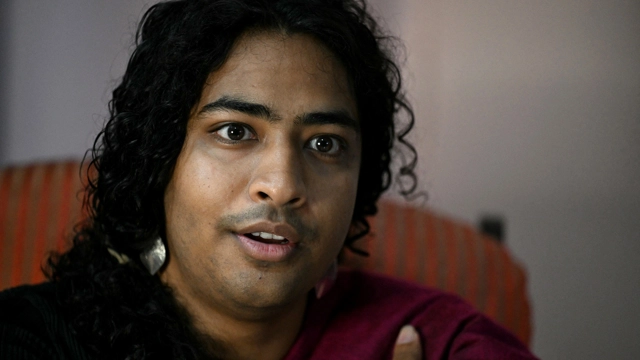 03:19
03:19 00:36
00:36 02:31
02:31 02:33
02:33 00:55
00:55 00:37
00:37 00:29
00:29 00:29
00:29 00:31
00:31 02:49
02:49 00:33
00:33 01:56
01:56 03:05
03:05