Japan has begun its first nationwide survey of animal cafes, a booming sector that has so far faced few rules.
Animal cafes are popular with both locals and tourists alike... And they don’t just offer drinks with household pets like cats. Some of them are home to exotic animals and threatened species, raising concerns about animal welfare and the wildlife trade.
Researchers visited just 25 cafes and found more than 1,700 animals on display, over a quarter of them threatened species. And most of these cafes let people interact with animals considered at high risk of causing injury.
ISHIKAWA TAKUYA, JAPANESE ENVIRONMENT MINISTRY:
“Firstly, there is the question of whether these animals are being kept and treated in appropriate conditions. Secondly, there is the impact on humans. As interactions between animals and humans inevitably raise concerns such as the risk of spreading diseases... I think ensuring that issues like these two are properly addressed... will be the main two objectives.”
In Tokyo and Osaka, three quarters of authorized wildlife cafes are also registered to sell animals.
Officials want to find out exactly how many animal cafes there are, what animals they house, and how visitors interact with the animals.
Some operators welcome the prospects of tighter oversight.
NOZAKI SYAINA, MANAGER, OWL AND OTTER CAFÉ:
“We really do welcome this survey. As a rescue organization, we take in all sorts of animals and, we prioritize animal welfare and providing a lifelong home for them, we are very committed to that. But there are inevitably some facilities and cafés that do not operate in the same way.”
Nozaki's cafe takes in animals from breeders and shuttered cafes. Otters live in family groups, and owls fly freely at her establishment. And she has a message for regulators.
NOZAKI SYAINA, MANAGER, OWL AND OTTER CAFÉ:
“I really hope that in the future the top priority should be to ensure that animals can lead happy lives. Animals should not be forced to interact with people and owls should not be tethered by their legs. Animals should be able to live in ways that suit their natural behavior.”
The survey could pave the way for regulation. But so far, the government has announced no timetable for new rules or legislation. But that is a first step toward safer encounters—for visitors and animals alike—at one of Japan's best-known attractions.
Howard Chang, Michael Reid and Ted Chen for TaiwanPlus.
 00:36
00:36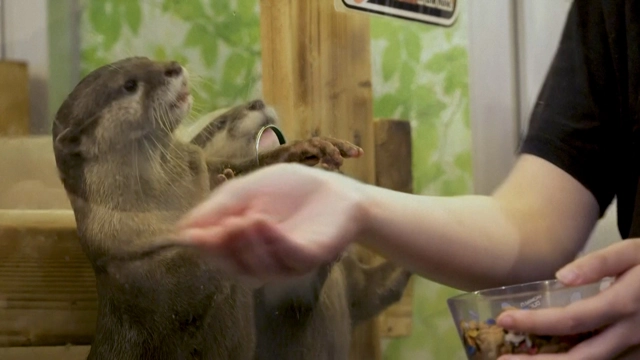 02:31
02:31 02:33
02:33 00:55
00:55 00:37
00:37 00:29
00:29 00:29
00:29 00:31
00:31 02:49
02:49 00:33
00:33 01:56
01:56 03:05
03:05 01:47
01:47 00:24
00:24 00:36
00:36 00:30
00:30