Nepal Floods: Race Against Disaster
REPORTER:
Muddy ruins are all that’s left of Tribhuvan Trishuli Secondary School in central Nepal. In Nepal alone, the floods here are known to have killed more than 900 people with over 4,000 missing. But this school was the site of a narrow escape—a spot of hope amid this massive and still unfolding tragedy.
REPORTER:
Though the school was in the direct path of a raging wall of water, it got an early warning. Frantic calls started coming in from relatives of students and faculty saying “The flood is coming!” And so, with just minutes to spare, the headmaster went straight into action.
Rajendra Dawadi (HEADMASTER, TRIBHUVAN TRISHULI SECONDARY SCHOOL):
We stop the class, ring the bell, and we send our keeper's whistle there, then go up there. Immediately I telephoned two bus drivers to stop the bus where you are in the safety areas, and the two bus were in the safe area.
REPORTER:
It took just 14 minutes to evacuate more than 900 students and staff, using buses and motorbikes. And not long after the final bus made it to safety, the torrent swept through the town of 60,000.
REPORTER:
Not all areas have been so lucky. This team of Nepali Army rescuers has been searching a river in Chitwan District but they’ve only found dead bodies.
Bhimsen Devkota (NEPAL ARMY MAJOR):
Since this morning, rescue operations have been underway in the difficult areas of the Narayani River. We have been continuously engaged in search and rescue efforts since early morning. So far, we have recovered ten intact bodies and the remains of two other bodies. The search operation will not stop here and will continue further.
REPORTER:
The search continues underground, too. Here, more Nepali army rescuers navigate the tunnels of the Rasuwagadhi hydropower plant. Over 900 hydro plant workers are missing across Nepal but the government believes there is a chance around 100 could still be alive in tunnels like this one.
REPORTER:
Chinese state TV, too, shows rescuers on the Tibetan side searching for the missing.
REPORTER:
As the death toll rises, the region also faces a humanitarian crisis.
REPORTER:
UN Spokesperson Stephane Dujarric says 65,000 people need emergency help with water and hygiene. 22,000 children need protection. Over 10,000 pregnant and breastfeeding women need nutritional assistance.
REPORTER:
In some communities, all people can do is pick through the muck – searching for remnants of a life now washed away. Often, there’s not much left to find.
Arjun Lal Shrestha (RESTAURANT AND SHOP OWNER):
There were two shops here. One was an eatery, a restaurant, and right next to it was a clothes shop. All other valuable items have washed away. I am ruined and this has brought me to the streets. [God] took it away, too.
Rajesh Shrestha (BUSINESSPERSON):
We don’t have anything to eat. We don’t have anywhere to sleep. We don’t have kitchenware. The structure of the house is gone. Nothing is worth using.
REPORTER:
Amid attempts to clean up, the anguish in this country is far from over.
REPORTER:
And though the waters have partly receded, they continue their angry flow.
 00:33
00:33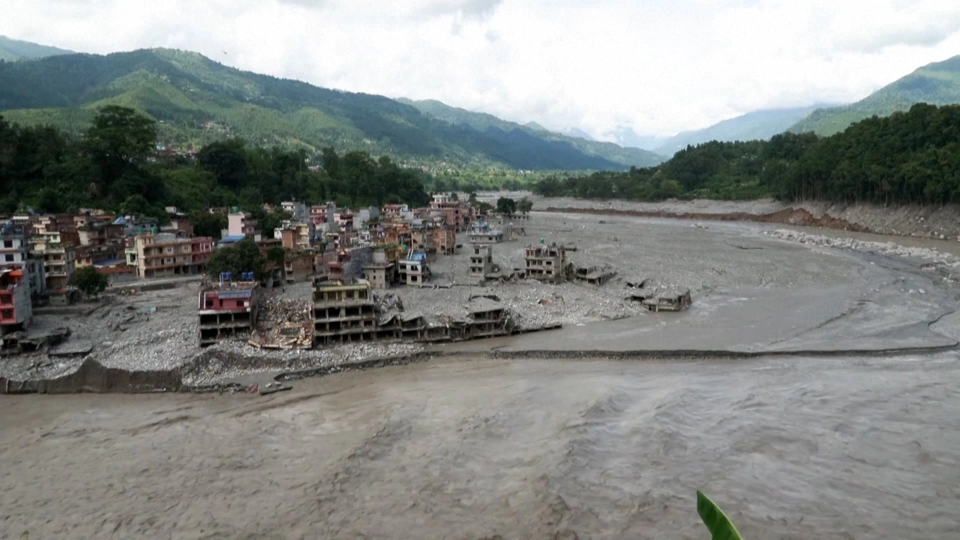 03:22
03:22 02:37
02:37 03:50
03:50 02:52
02:52 01:39
01:39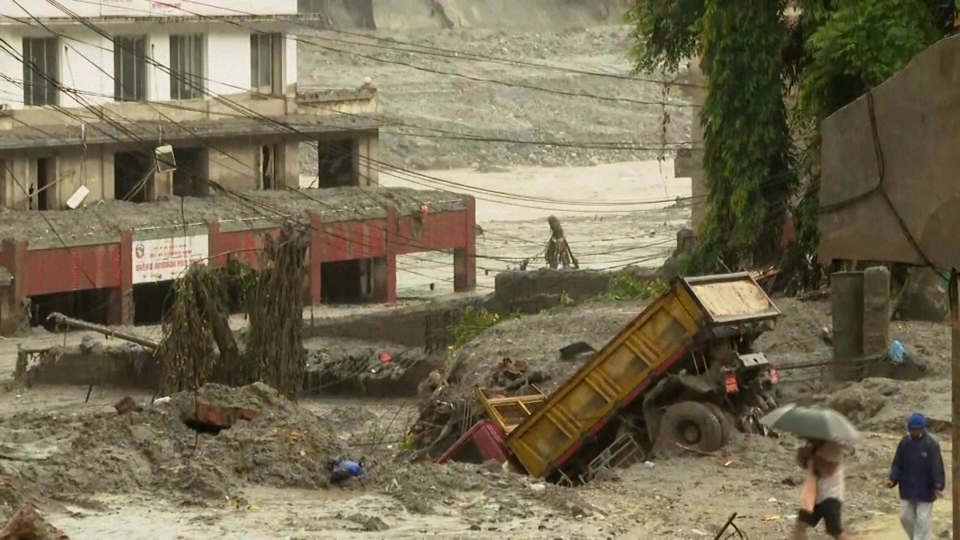 00:43
00:43 03:39
03:39 02:15
02:15 03:07
03:07 03:25
03:25 03:01
03:01 00:42
00:42 00:30
00:30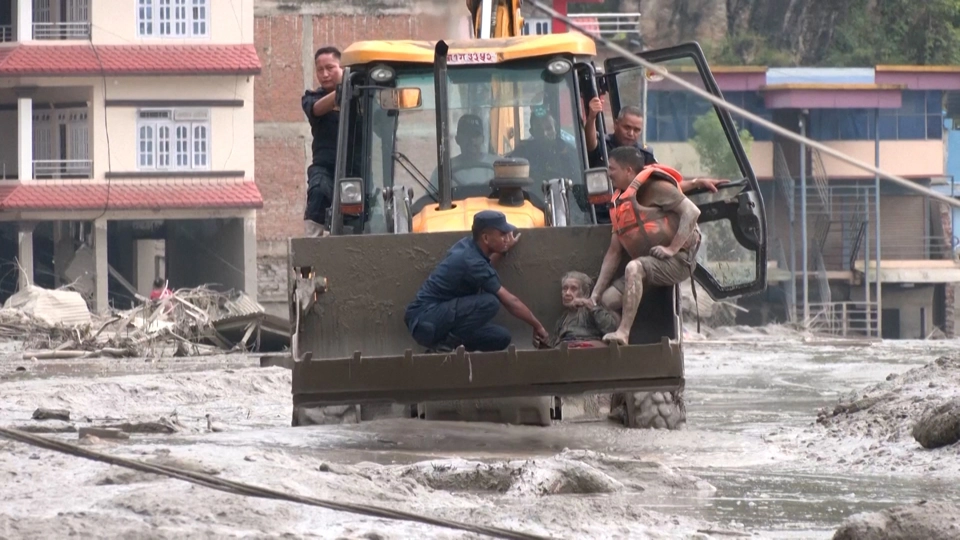 02:42
02:42 02:54
02:54