Japan Marks 81 Years Since Hiroshima Atomic Bombing
By Leon Lien/John Van Trieste
Japan is marking 81 years since the US dropped an atomic bomb on Hiroshima. Japan's prime minister says the country remains committed to peace, but others worry about mounting global conflict and Japan's own military buildup.
Hiroshima Memorial: 81 Years Later
REPORTER:
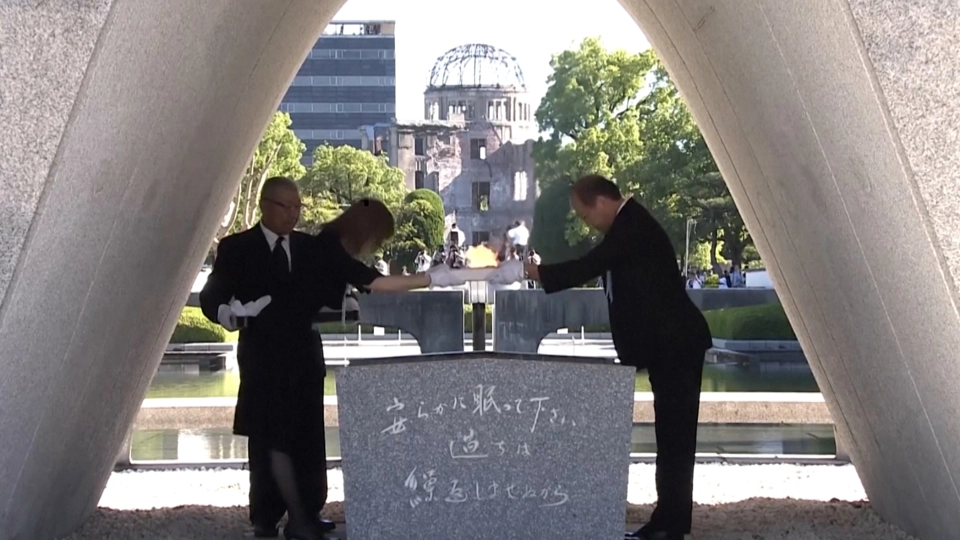
8:15 a.m. The exact moment an atomic bomb destroyed Hiroshima 81 years ago today. Around 50,000 people from more than 100 countries, including survivors of the atomic blast and Taiwan’s representative to Japan, observe a moment of silence.
REPORTER:
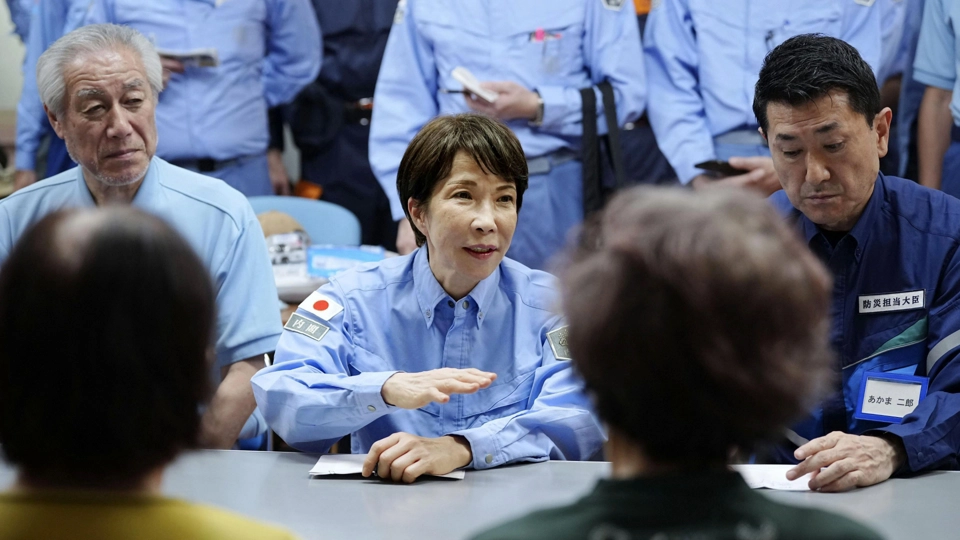
Japan’s Prime Minister, Takaichi Sanae approaches the monument to victims and gives a deep bow. This is the first time since her election last October that she’ll address the annual memorial ceremony. Just as with previous generations of Japanese leaders, her message is “never again.”
Takaichi Sanae (JAPANESE PRIME MINISTER):
The devastation wrought by the atomic bombings of Hiroshima and Nagasaki, and the indescribable suffering endured by so many people, must never be repeated. Japan firmly upholds the 'Three Non-Nuclear Principles', and as the only nation to have suffered atomic bombings in war, it bears the responsibility of tirelessly pursuing the realization of a world without nuclear weapons.
REPORTER:
Despite Takaichi’s pledges to fight for a safe Japan and a nuclear-free world, there’s a certain sense of unease due to mounting global trends.
REPORTER:
In particular, Hiroshima’s mayor expresses fears that a 1968 treaty on nuclear disarmament may be deteriorating
Matsui Kazumi (HIROSHIMA MAYOR):
The words and actions by political leaders amount to disregarding the obligations set forth in the Non-Proliferation Treaty, undermining the very foundations of international peace and stability. If this continues, a spiral of mistrust will spread throughout the world, risking a return to the era of the Second World War, when naked ambition was allowed to prevail.
REPORTER:
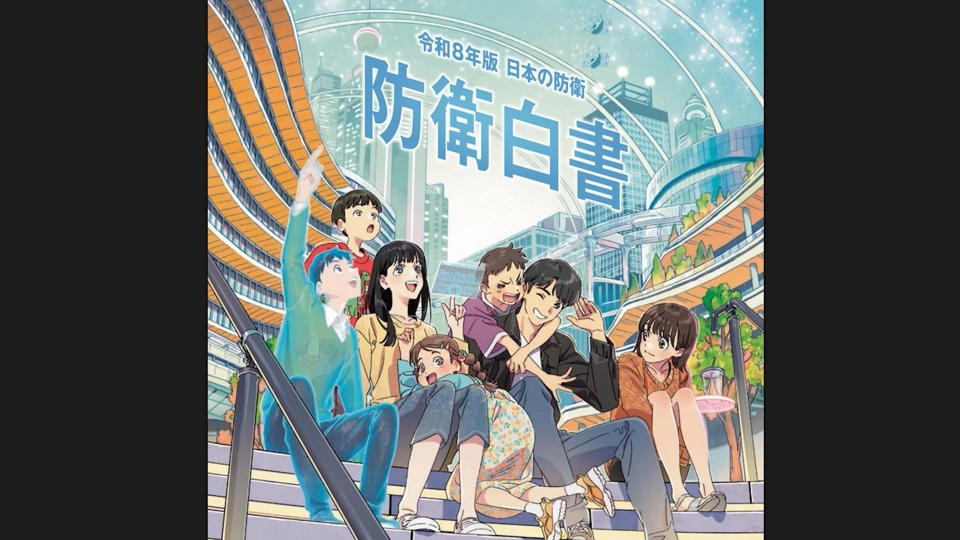
And elsewhere, on Hiroshima’s streets, some are anxious about Japan’s own post-war commitment to pacifism. In recent years, the country has bulked up its own defense forces amid threats from China, North Korea and Russia.
Yamaguchi Izumi (PEACE EVENT ORGANIZER):
I think fundamentally
that strengthening military power doesn’t lead to peace.
Rather than thinking about war
we should think about coexisting with other countries
and maintaining peace.
That is the best way of protecting the country.
REPORTER:
Still, flowers are laid.
REPORTER:
And doves released as a symbol of peace. Japan is still the only nation to know the horrors of nuclear annihilation, and a country where even those born after the events of 81 years ago still gather every year to remember and pray for peace.