Analysis: Why Tokyo and Washington Stepped In To Stabilize the Yen
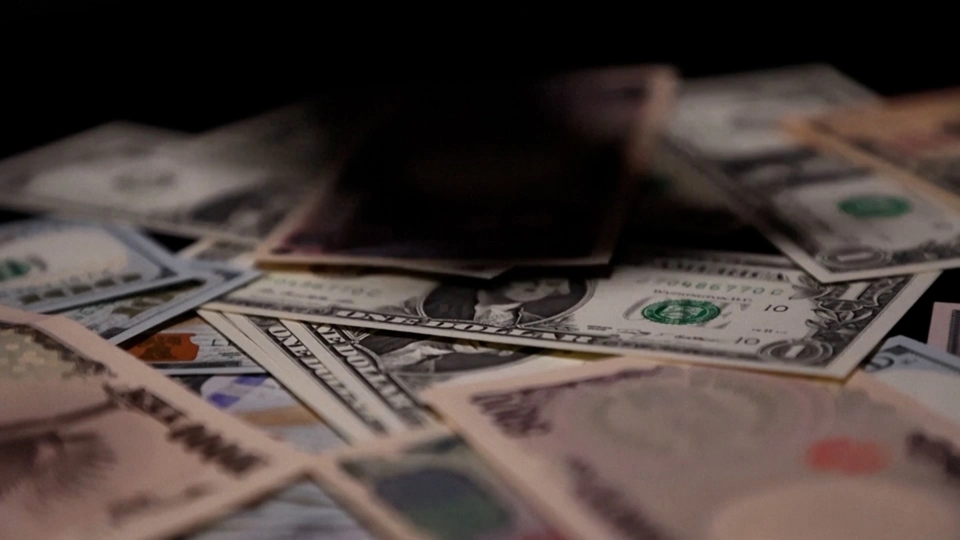
Japan and the US have carried out a joint intervention to stabilize the yen after it fell to its weakest level in four decades. Both countries have said they will not hesitate to take further action if necessary. TaiwanPlus spoke with Darson Chiu from the Confederation of Asia-Pacific Chambers of Commerce and Industry to learn more about the reasons behind the bailout.
Japanese Yen Bailout
---
Japanese Yen Bailout
REPORTER:
Japan and the US have worked together to stabilize Japan's falling currency, the yen.
Katayama Satsuki (JAPANESE FINANCE MINISTER):
On Friday, July 31, Japan's Ministry of Finance, in coordination with the US Treasury Department, conducted a coordinated foreign exchange intervention.
The move addressed what Japan’s finance minister called excessive volatility and disorderly movements in the yen. She said the two countries will not hesitate to do more if necessary. The currency had recently fallen to its weakest in four decades. US President Donald Trump said the move was a sign of US friendship with Japan, and would help the world economy.
Donald Trump (US PRESIDENT):
Because we have a good relationship with Japan.
We're very strong, very, very strong financially
and they are, they have a weakening Yen
and they wanted a little bit of help
and we're always there for Japan.
The joint intervention on the yen is the first since the massive earthquake and nuclear disaster that hit Japan in 2011.
---
Yen Bailout
REPORTER:
Japan and the US coordinated on yen-buying intervention to stabilize the currency and will not hesitate to take further action.
Katayama Satsuki (JAPANESE FINANCE MINISTER):
On Friday, July 31, Japan's Ministry of Finance in coordination with the U.S. Treasury Department conducted a coordinated foreign exchange intervention.
This coordinated intervention was carried out based on the Japan-U.S. finance ministers’ joint statement issued in September 2025.
The Japanese finance minister said the intervention was made in response to recently observed "excessive volatility and disorderly movements" in the yen, as the currency fell to its weakest in four decades.
The joint intervention on the yen is the first since Japan’s 2011 earthquake and nuclear disaster. Both Japan and the US said they will not hesitate to participate in futher joint intervention.
Donald Trump (US PRESIDENT):
Because we have a good relationship with Japan.
We're very strong, very, very strong financially
and they are, they have a weakening Yen
and they wanted a little bit of help
and we're always there for Japan.