Japanese Prime Minister Takaichi Sanae Calls Snap Election
Japanese Prime Minister Takaichi Sanae takes to the podium to announce she will dissolve the lower house of parliament and call a snap election. Every seat in the house is now up for grabs. Her coalition now has just roughly half the seats in the lower house, and she hopes her popularity will sway voters to turn that into a majority.
There’s not much time until election day—February 8. But Takaichi’s already making her pitch.
Voters are frustrated at the cost of living. In one poll by Japan’s public broadcaster NHK 45% of respondents say prices are their chief worry—far ahead of any other issue. To get ahead of the opposition, she’s promising the same thing as her rivals—axing Japan's tax on food for two years.
But Takaichi has a foreign policy agenda and plans to boost defense that she wants a mandate for. She sees China as a threat that needs countering by closer partnerships with countries like the US, South Korea and the Philippines. Her eye is on Taiwan—whose security she has said is key to Japan’s own.
The international situation is growing increasingly severe. The Chinese military conducted exercises around Taiwan. Economic coercion is also evident, where China seeks to force other countries to submit to their demands by controlling supply chains the world relies on.
As newspapers break the news on Tokyo’s streets, people’s reactions suggest it’s mostly her domestic policies—on issues from prices to immigration—that are grabbing attention.
I basically want policies that take measures against rising prices. Honestly, I think a more balanced policy is necessary.
Japan is not a country that was established yesterday or today. It is not a country of immigrants. Valuing the people of Japan, I believe, is something Takaichi can do. I hope she does it.
Japanese stocks are watching trans-Atlantic tensions over Greenland unfold but Takaichi’s promise to cancel the food tax helped send government bond yields to all-time highs, putting more pressure on highly indebted Japan.
Takaichi has an opportunity with this election. But she also faces a risk: Her Liberal Democratic Party, or LDP, has broken ties with its old coalition partners, the Komeito, and joined up with the Japan Innovation Party instead—and the breakup could cost her.
Jeffrey Hall (POLITICAL ANALYST):
The worst case scenario is that Takaichi loses seats for the LDP, and it's very possible. With the political configuration of opposition parties having changed so much, it's very difficult to predict how a lot of these races are going to go. And one of the most stable voting blocs in the country are the Komeito voters, and she lost them.
Takaichi says she will formally dissolve the lower house on Friday—setting up her first electoral test as prime minister and giving the country just a few weeks to decide on its next steps.
 02:15
02:15 03:07
03:07 03:25
03:25 03:01
03:01 00:42
00:42 00:30
00:30 02:42
02:42 02:54
02:54 03:24
03:24 02:06
02:06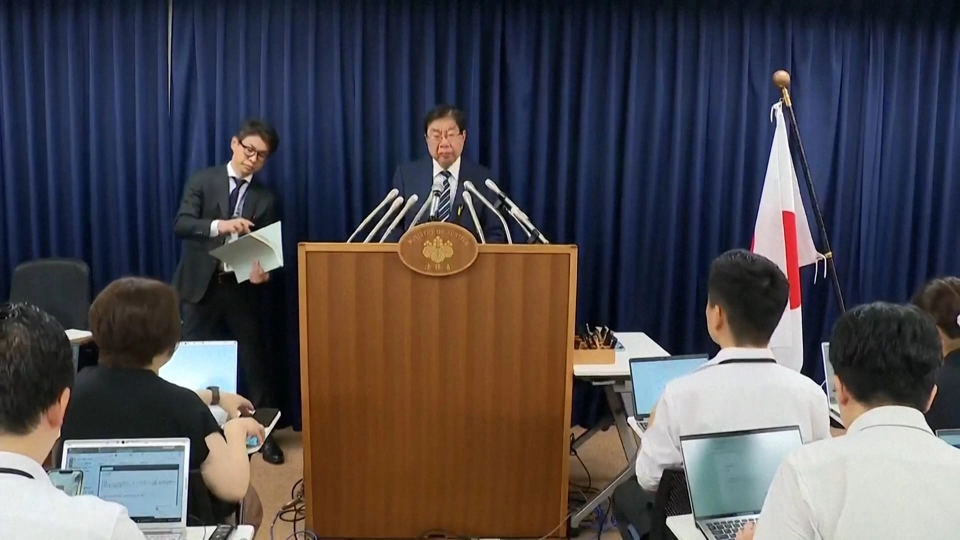 00:32
00:32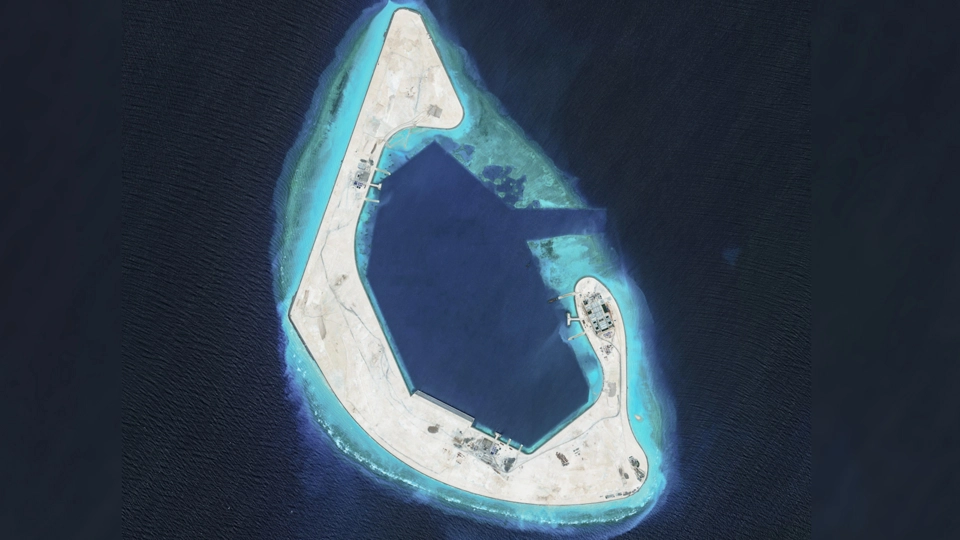 00:29
00:29 00:30
00:30 03:50
03:50 03:09
03:09 04:36
04:36