Indo-Pacific Security: Taiwan Warns of China's Threat to Regional Order
REPORTER:
Taiwan’s National Security Bureau warns that China is seeking to undermine international order and maybe even prepare to invade Taiwan.
Yet Taiwan is not the only country facing aggressive Chinese actions in the region – from disputed islands in the South China Sea to violations of South Korea’s air defense zone.
Just like the US National Security Strategy earlier this month – Taiwan's NSB is looking to show the interconnectedness of these security concerns.
Su Tzu-yun (DEFENSE ANALYST, INDSR):
This highlights Taiwan’s geostrategic importance because it controls the key juncture between Northeast and Southeast Asia.
92% of Japan’s energy imports and around 50-60% of South Korea’s pass through the waters around Taiwan.
[Chinese aggression] poses a direct threat to maritime transport and communication routes.
REPORTER:
All over the first island chain, the US, Japan and the Philippines are investing in anti-ship missiles and other weapons systems to control the waters to Taiwan’s north and south – blocking Chinese ships from breaking out of the first island chain. But the strategy depends on linking defenses across multiple countries, ensuring that the chain has no weak links.
REPORTER:
The report makes clear that China’s maritime gray zone harassment towards Taiwan, hostile actions that do not rise to the level of open conflict, is linked to actions against countries like the Philippines. The report counts more than 3,500 incursions by Chinese aircraft in the skies around Taiwan, and 39 “joint combat readiness patrols” by Chinese naval vessels.
Su Tzu-yun (DEFENSE ANALYST, INDSR):
When Taiwan is able to effectively defend itself, it is also helping other countries defend themselves too.
This makes Taiwan the first line of defense for all so-called democratic countries.
REPORTER:
This all happens as the US Senate passes the new PORCUPINE Act – that would fast-track arms transfers to Taiwan from the US and from allied countries. If the act becomes law, it would put Taiwan on par with close, non-NATO countries like South Korea, Japan and Australia.
One thing is clear however, that given China’s massive navy and willingness to use it, like-minded countries face much better odds working together than trying to go it alone.
 02:15
02:15 03:07
03:07 03:25
03:25 03:01
03:01 00:42
00:42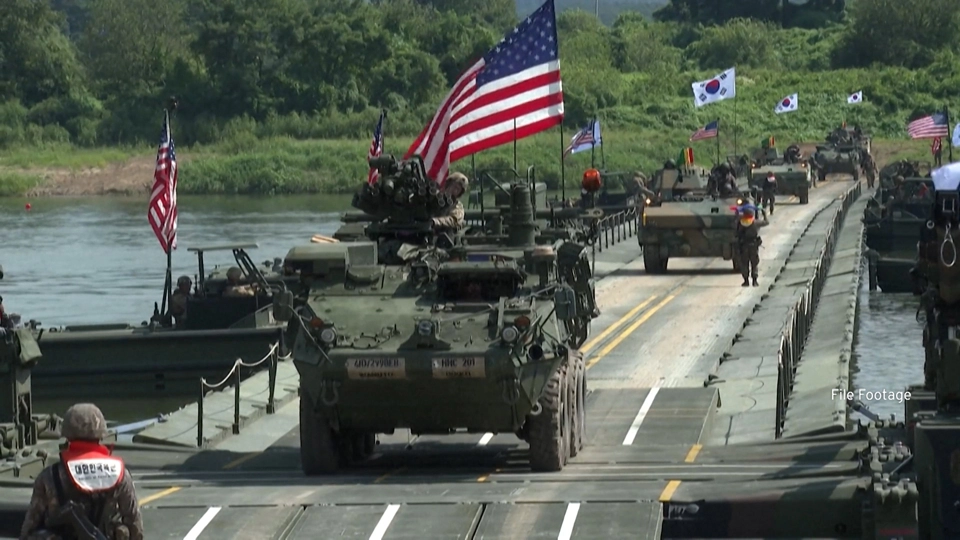 00:30
00:30 02:42
02:42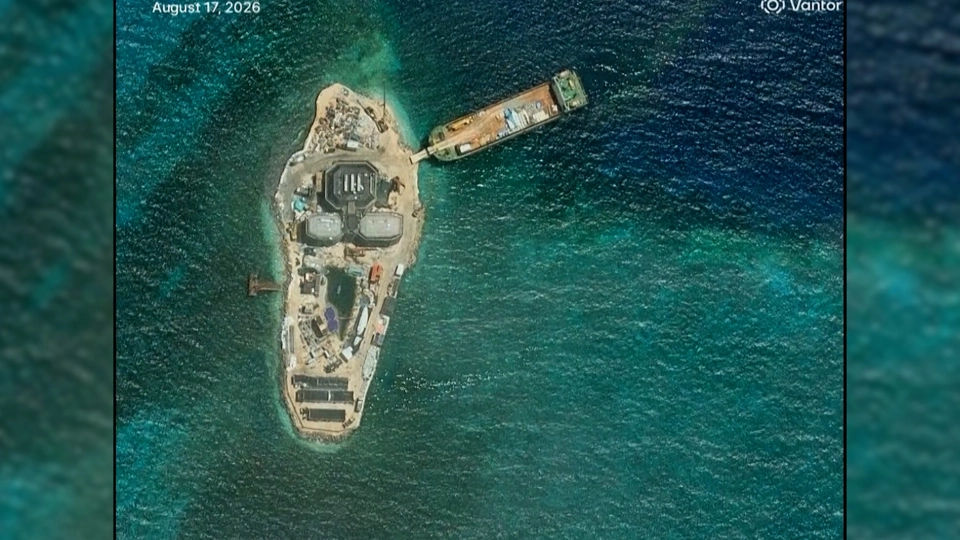 02:54
02:54 03:24
03:24 02:06
02:06 00:32
00:32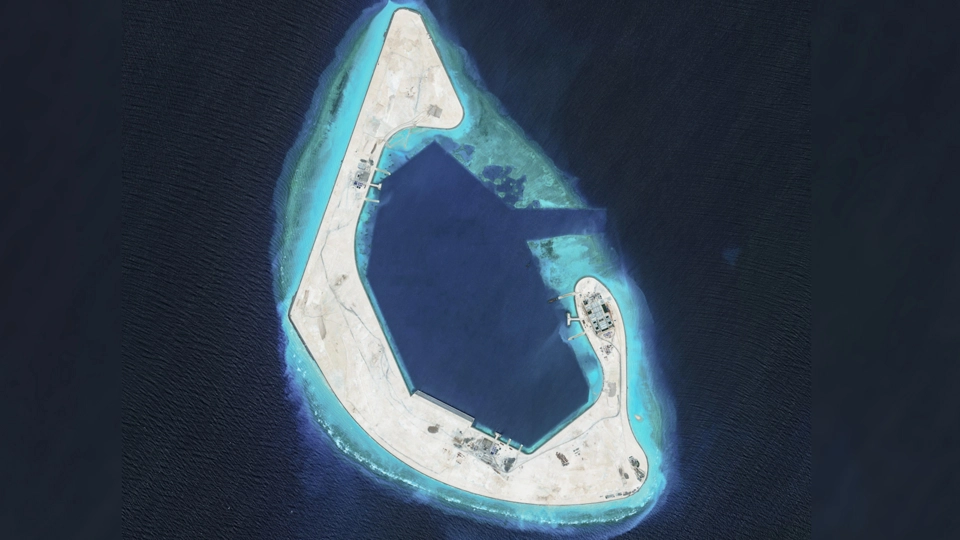 00:29
00:29 00:30
00:30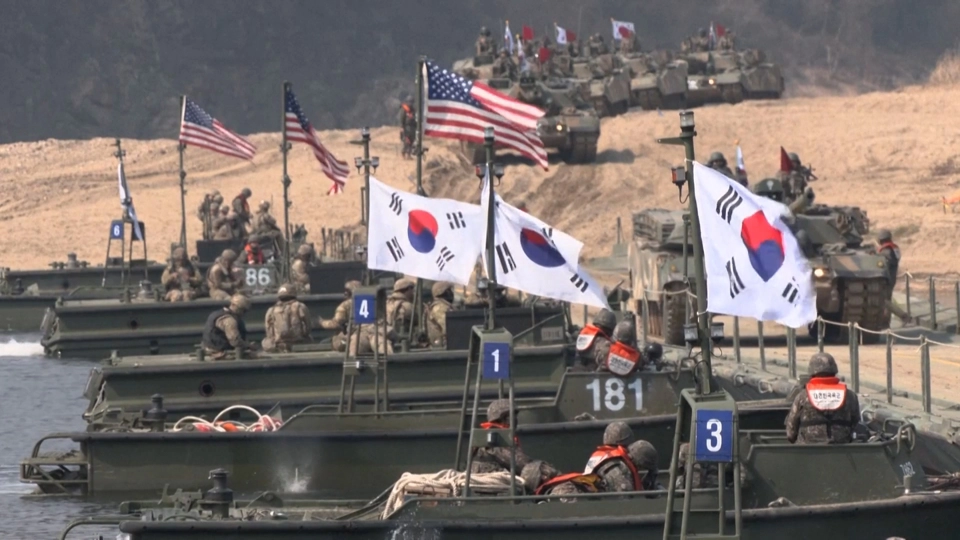 03:50
03:50 03:09
03:09 04:36
04:36