Japan Briefs US, NATO on Escalating Regional Tensions
REPORTER:
China and Japan continue to accuse each other of increasing tensions in the Indo-Pacific region, following a controversial incident last week where a Chinese carrier-jet used its fire-control radar on Japanese warplanes.
Kihara Minoru (JAPANESE CHIEF CABINET SECRETARY):
The occurrence of such an incident is extremely regrettable,
We will respond calmly yet resolutely
These are legitimate actions taken by the Japanese government in response to airspace violations.
This incident happened. It is very regrettable.
And we would like to act firmly and calmly going forward.
In terms of the operation of the violation of the air space, and we have a justified, justified action.
REPORTER:
On Friday, Japan’s defense minister Koizumi Shinjirō had a phone call with US defense secretary Pete Hegseth on increasing tensions in the Indo-Pacific. In a following press conference, Koizumi said they agreed that “China’s actions do not contribute to piece and stability.”
Japan’s defense ministry also briefed military attaches from 30 countries, and held a call with NATO’s chief to clarify its role in the incident.
This came only two days after US nuclear-capable bombers flew alongside Japanese jets in response to Chinese and Russian drills in the area.
Despite the show of force and the call between defense ministers, US officials are looking to downplay tensions and highlight US President Donald Trump’s smooth relationships.
Karoline Leavitt (WHITE HOUSE PRESS SECRETARY):
And he believes that the United States should be in a position to have a good working relationship with China while maintaining our very strong alliance with Japan.
REPORTER:
China and Japan’s diplomatic row also hanged over the proceedings of Beijing’s commemoration of the Nanjing Massacre anniversary – which remembers the killing of Chinese civilians by Japanese soldiers in World War II. On Friday, China’s Foreign Ministry spokesperson said it would hold a memorial for the victims – while adding it would never allow “external forces to lay their hands on China's Taiwan region.”
The ongoing tensions have led to concerns that Taiwan may face a major Chinese military drill in near future. Japan has already sought to fortify the islands closest to Taiwan. The Japanese tourism sector has already felt the effects – a third of Chinese flights to Osaka’s Kansai airport are cancelled, with some companies reporting 10-20% drops in revenue.
Regardless of what happens next – tensions between Beijing and Tokyo are unlikely to fizzle any time soon.
 02:15
02:15 03:07
03:07 03:25
03:25 03:01
03:01 00:42
00:42 00:30
00:30 02:42
02:42 02:54
02:54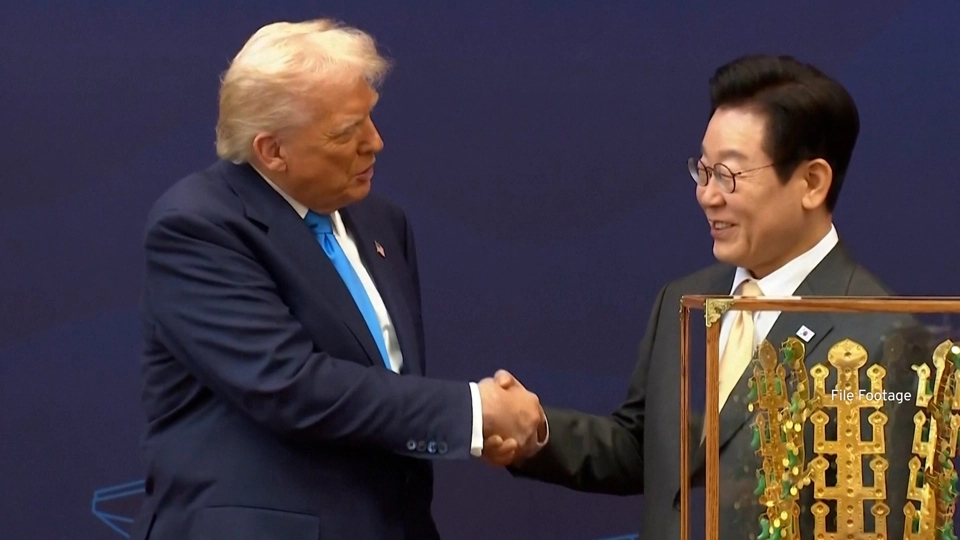 03:24
03:24 02:06
02:06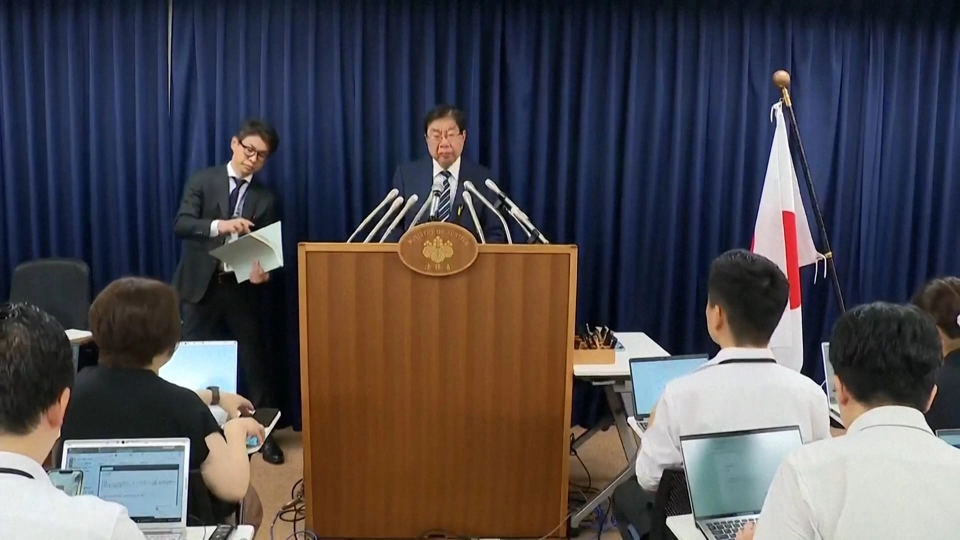 00:32
00:32 00:29
00:29 00:30
00:30 03:50
03:50 03:09
03:09 04:36
04:36