US Tariff Dispute Prompts Self-Reliance Among Allies
REPORTER:
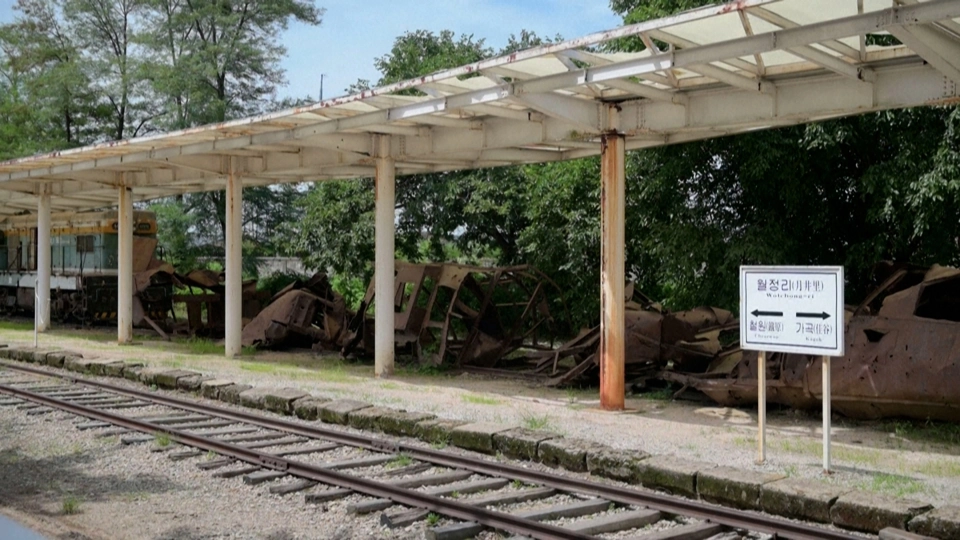
Months after the US agreed to lower tariffs on South Korea, President Lee Jae Myung hints that deal may be off, warning that cutting rates from 25% to 15% on South Korean goods in exchange for 350 billion US dollars in investment could harm the country’s economy.
Lee Jae Myung (SOUTH KOREAN PRESIDENT):
Without a currency swap, if we withdrew 350 billion US dollars in the manner that the US is demanding and invested all this cash in the US, South Korea would face another [financial crisis].
REPORTER:
In an exclusive interview with Reuters, Lee warned that a bad deal could result in a meltdown similar to the 1997 Asian financial crisis. South Korea has been working to maintain its relationship with the US, after a change in leadership over the past year. Both its economic and military alliances are being tested.
Lee Jae Myung (SOUTH KOREAN PRESIDENT):
Our government and I personally see the need to increase defense spending and defense self-reliance. We are already planning additional investments.
Therefore we do not think it desirable for the US to unilaterally shoulder losses for peace and stability on the Korean peninsula. There appears to be little conflict on that issue.
REPORTER:
In dealing with regional tensions, Lee also said that peace and stability in the Taiwan Strait was important. The US, Taipei’s biggest backer, has been urging it to increase defense spending against China, which threatens to take Taiwan by force if necessary.
Meanwhile in India, Prime Minister Narendra Modi urged citizens to help the country deal with US tariffs by buying Indian-made goods.
Narendra Modi (INDIAN PRIME MINISTER):
This reform will accelerate the growth story of India, make business easier, make investment attractive and will make every state equal in the path to development.
REPORTER:
Trump doubled tariffs on Indian goods to 50% in retaliation for the Southeast Asian ally buying Russian oil and weapons. An unofficial boycott on American brands like McDonalds, Pepsi and Apple is underway in the country.
Amid tariff tensions and quickly-shifting policy, the US’ allies are now looking at self-reliance as both a tool for negotiation and a safety net for their own security, economic and otherwise.
 02:15
02:15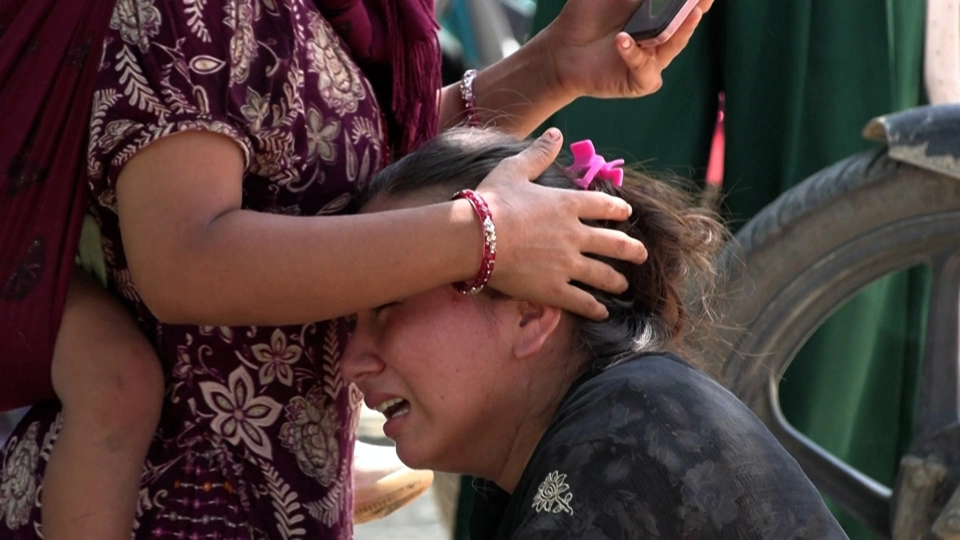 03:07
03:07 03:25
03:25 03:01
03:01 00:42
00:42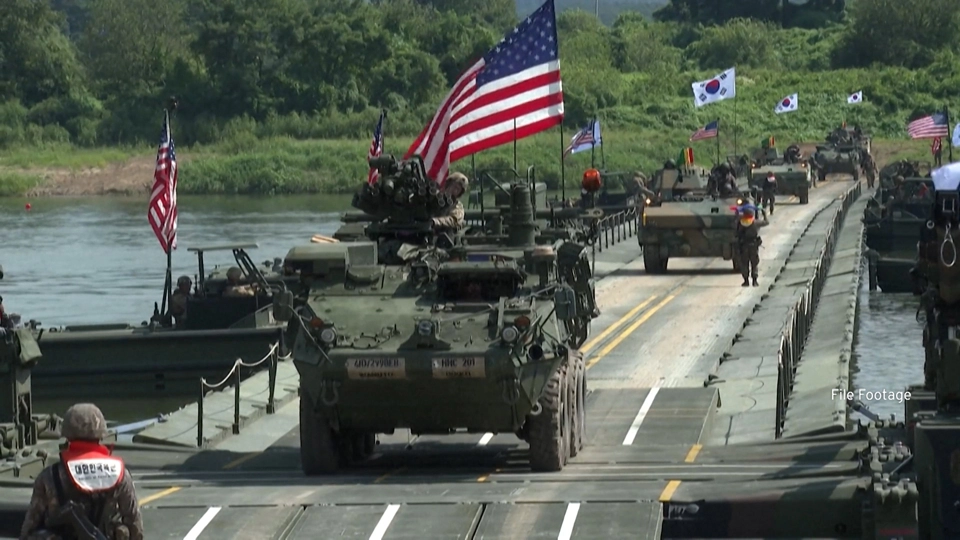 00:30
00:30 02:42
02:42 02:54
02:54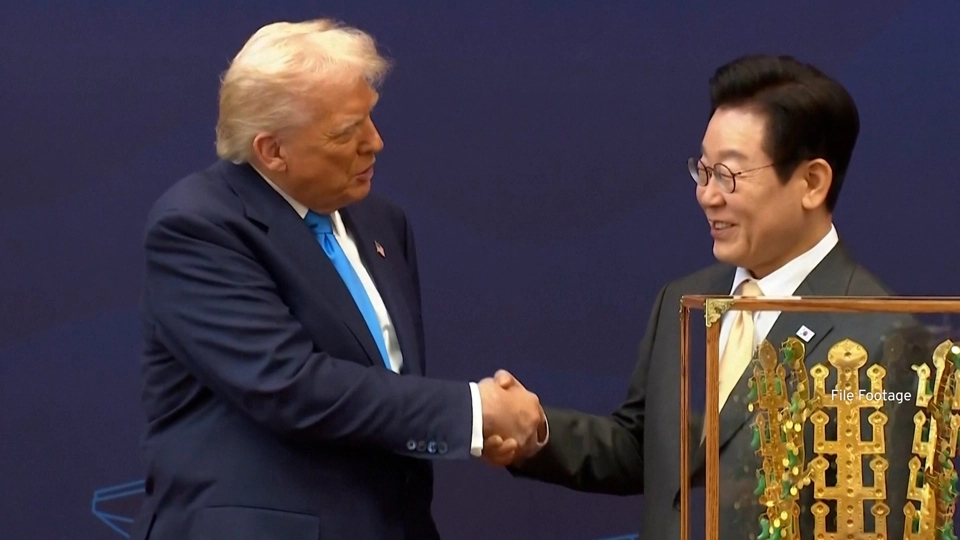 03:24
03:24 02:06
02:06 00:32
00:32 00:29
00:29 00:30
00:30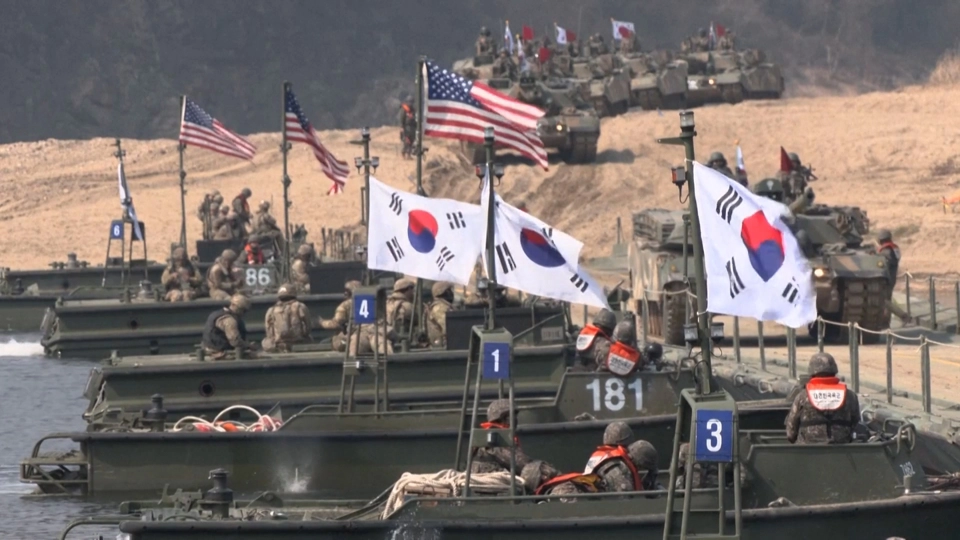 03:50
03:50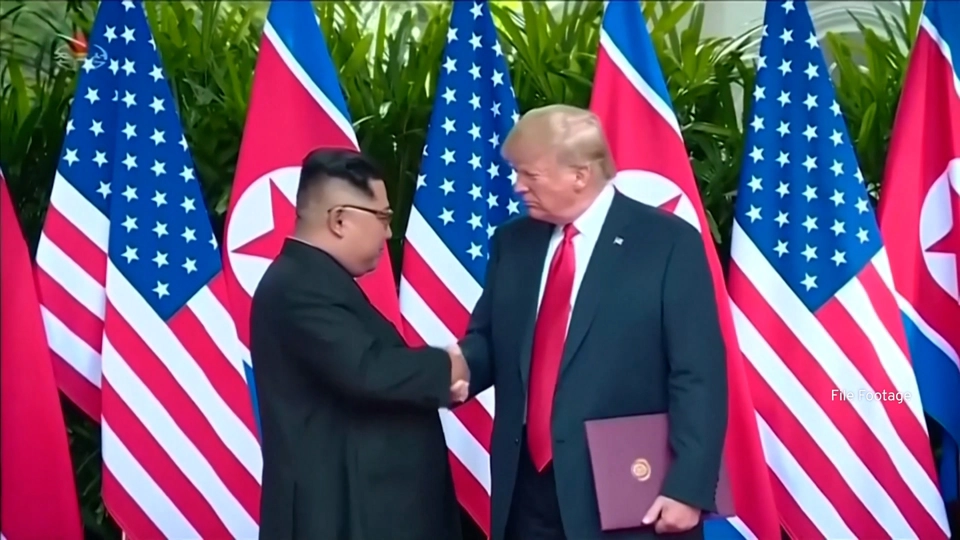 03:09
03:09 04:36
04:36