Made-in-Taiwan Ghostwake Drone Boat
REPORTER:
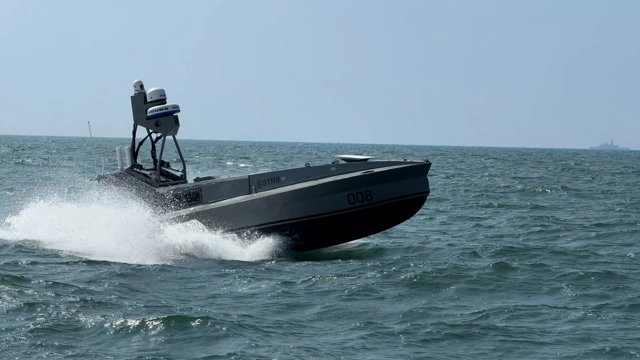
Top speed over 100 km/h. 350KG payload capacity. Autonomous modes that let it operate without human input. It’s called The Ghostwake, a next generation unmanned surface vessel, or USV, from new startup STR8 Industries. The firm is using Taiwan as its all-in-one research, development, and manufacturing hub.
REPORTER:
Validating the Ghostwake at sea is a key step in deploying the new tech at scale, checking that it is up to the task.
Phil Ho (CEO, STR8 INDUSTRIES):
There's different types of missions that yes you first test on the simulation environment, then you come here in the real world and ensure that everything goes according to plan and continue building from there.
REPORTER:
The Ghostwake's payload capacity allows it to take on a wide variety of missions, and its autonomous capabilities let one person control a whole fleet, meaning they could one day be deployed as a swarm.
REPORTER:
Looking behind us, the vessel is executing high-speed maneuvers and showing off functions that could prove critical. It's about to switch from direct human control to autonomous mode, a key feature for next-generation maritime asymmetric capabilities.
REPORTER:
USVs are multirole, dual-use platforms. That means that alongside their military capabilities, they also have civilian uses. Search and rescue missions at sea, hydrographic surveys, patrolling around critical infrastructure or enforcing maritime boundaries. On the defense side, with growing tensions from a much larger potential threat across the Taiwan Strait, autonomous systems are a key way for the country's relatively small number of operators to have an outsized impact.
Phil Ho (CEO, STR8 INDUSTRIES):
Its decoupling the one to one ratio between one operator and one platform to one operator managing multiple platforms, and that dictates the level of autonomy on each platform.
Its yes building an autonomous platform but knowing the communication link might fail.
REPORTER:
STR8’s cofounders have roots in Taiwan, the US and Europe. The company chose Taiwan as its manufacturing hub -- an example of growing collaboration in the drone space among democratic countries seeking to lessen their reliance on China, which dominates the industry. Taiwan attracts innovators with key advantages.
Phil Ho (CEO, STR8 INDUSTRIES):
It's all about shipping fast and getting the feedback, getting the feedback from operators, getting the feedback from the environment. To give you an example, we moved from conceptual design to in-water testing in less than 120 days, leveraging the ecosystem that here in Taiwan, across robotics, across electronics, across manufacturing, shipbuilding, but also the resources and the culture. The ecosystem of picking up the phone, calling for spare parts, and building those relationships with component manufacturers.
That's something that allowed us to move very quicky, very fast, and that's something unique to Taiwan.
REPORTER:
An expert in uncrewed systems says Taiwan has a firm place in the developing international drone sector.
Li Kang (DIRECTOR, NTU UNMANNED VEHICLES R&D CENTER):
Taiwan can help with the supply chain, you know, for the non-PRC supply chain. And also we can do mass production,
We should focus on the defense application are drone and USV development, and also to ramp up production in Taiwan in cooperation with Democrat allies
So we have to, uh, stress that we are not just building the asymmetric warfare or capability or deterrence capability by ourselves
REPORTER:
Autonomous systems are still in their early days, and companies like STR8 show the opportunity Taiwan has to become a global leader in the space.
 03:40
03:40 00:32
00:32 00:24
00:24 01:12
01:12 01:54
01:54 02:06
02:06 04:03
04:03 01:00
01:00 01:21
01:21 04:22
04:22 02:25
02:25 03:23
03:23 01:08
01:08 01:06
01:06 01:14
01:14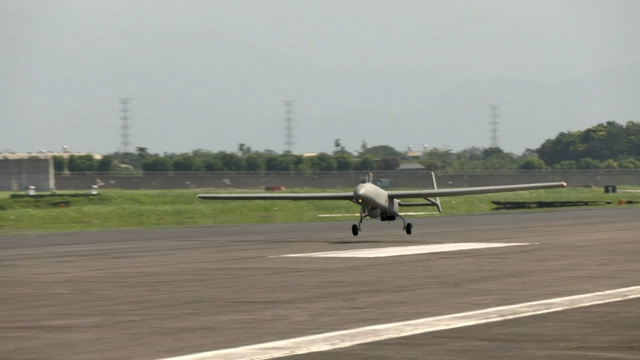 00:52
00:52